


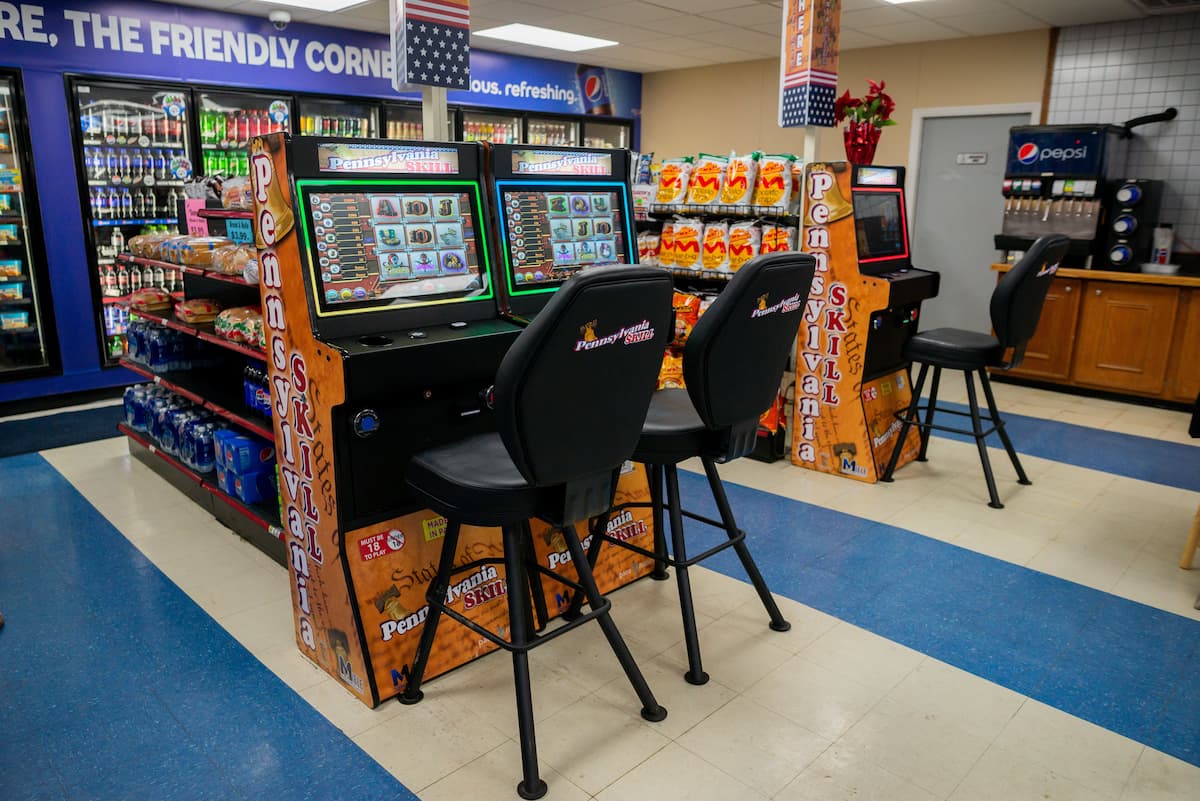
Skill game manufacturer Pace-O-Matic (POM) has filed a lawsuit against the California Department of Alcoholic Beverage Control (ABC) for the wrongful seizure of its machines from two locations. The case, filed in Merced County Superior Court, marks the latest legal battle involving POM over the machines’ legal status
The plaintiffs, POM of California, LLC, and Republic Amusements CA, Inc. (a distributor of skill-based game machines), argue that these machines are legal under California law. They seek the return of the seized terminals, along with a judicial declaration regarding the legal status of the games.
According to a screenshot provided by US gaming and sports betting attorney Daniel Wallach, the suit names the California ABC and its Executive Director, Frank Robles, as defendants.
There are no details on the location and time of the seizure of the POM machines.
What are Skill Game Machines?
Many states, including California, do not regulate skill game machines, leaving them in a legal gray area.
These machines visually resemble slots. However, manufacturers like POM argue that they incorporate an element of skill, thus not qualifying as “gambling.”
They’re usually located in retail establishments, such as truck stops, gas stations, and convenience stores. A common criticism is that these machines are often placed in locations where minors can access them. There are no responsible gaming tools in place.
Skill games have faced opposition from the retail casino industry across many states. They argue that untaxed machines create unfair competition. In Pennsylvania, casinos have asked the state’s Supreme Court to demand that gambling regulators lower their tax burden due to lost market share to unregulated skill games.
POM’s Legal Battles Across the US
The Merced County case adds to a growing list of legal challenges by Pace-O-Matic against machine seizures or other regulatory action. The company, one of the biggest manufacturers of skill game machines, has filed lawsuits and fought enforcement actions in multiple states, with mixed outcomes.
Victories for POM
Earlier this year, a Texas appeals court reaffirmed a 2024 District Court decision that POM’s devices do not qualify as gambling machines under state law. The court ordered their return after being seized by authorities.
Also this year, a Virginia county court dismissed criminal charges against a business owner operating POM’s Queen of Virginia (QVS2) games. The court determined that the games do not constitute gambling under the legal definition.
The ruling came as a surprise to many. In 2023, the Virginia Supreme Court ruled that skill games are illegal. The ruling confirmed the state’s ban that took effect in 2021.
In 2023, the Commonwealth Court of Pennsylvania ruled in favor of POM in multiple decisions. It also stated that the machines do not constitute gambling devices.
However, the battle in Pennsylvania is far from over. Lawmakers have attempted to pass legislation to regulate the machines, but can’t agree on how.
Meanwhile, in 2024, the Pennsylvania Supreme Court agreed to hear authorities’ appeal against the Commonwealth Court’s ruling. While it’s yet to rule on the matter, the state’s highest court could finally provide clarity on the matter.
Setbacks and Ongoing Challenges
POM’s legal challenges have also been unsuccessful in some states. In 2023, Kentucky banned skill games, prompting the company to file a lawsuit. However, in 2024, a state judge upheld the ban, rejecting POM’s arguments.
The company and other manufacturers attempted to circumvent the ban by introducing machines with new features, known as “no risk” games. However, Kentucky’s Attorney General declared them illegal.
Meanwhile, in January this year, the Kansas Supreme Court dismissed a lawsuit by a POM subsidiary, seeking to confirm the legality of its skill game Dragon’s Ascent.
POM of Kansas filed the lawsuit in 2019, arguing that the Attorney General and the gambling regulator failed to affirm the game’s legality, which it sought before launching it.