

Opposition party MPs have said a gambling lobby group, Responsible Wagering Australia (RWA), is using the Australian Parliament Sports Club to gain favors from lawmakers.
Membership to the exclusive club starts at AU$2500 ($1,668), and one of the central themes of the organization is to “build and strengthen relationships with parliamentarians and businesses from around Australia and internationally.”
The club’s website does not explicitly list the RWA as a member, but the Guardian reports that it is included in emails sent to members.
Independent MP Kate Chaney says the RWA is using the club to lobby for gambling interests in sport. She commented that it is “another subtle way lobbyists are making politicians believe gambling is indispensable to sport.”
She added, “The industry’s influence has become normalised, with no one batting an eyelid at lobbyists turning up at friendly parliamentary sports events.”
Calls for PM To Expel RWA From Sports Club
Chaney was part of a parliamentary group that called for a ban on gambling advertisements in sport. Australian Prime Minister Anthony Albanese has been criticized for not implementing the recommendations of the group.
Albanese is the chair of the sports club, and Chaney noted, “The prime minister, as the chair of the Australian Parliament Sports Club and a sports lover, must remove RWA’s corporate membership.”
Recently, Australian cricketer Usman Khawaja joined calls for gambling ads to be banned. Khawaja said the presence of gambling ads in sports coverage has led to a rise in underage betting. He claimed, “There are 16-year-olds with gambling accounts and they cannot watch the game without putting a bet on.”
RWA Claims it Uses Club for Exercise, Not Lobbying
The RWA, however, denies that it is using the club to promote gambling interests. Chief Executive Kai Cantwell said, “RWA’s work on regulation and harm reduction happens through the proper parliamentary and regulatory processes, not on the sporting field.”
The group’s members represent some of the biggest gambling companies in Australia, including bet365, Betfair, PointsBet, Sportsbet, and Unibet.
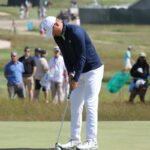
Cantwell added that its members just wanted a chance to get some exercise. He added, “Like other industries, we occasionally take part simply to enjoy exercise and socialising – something important for all Australians, particularly in high-pressure roles.”
The sports club’s chief executive, Andy Turnbull, also rejected claims its corporate members were granted lobbying opportunities.
“Firstly, there is an unwritten rule that no one talks business on the sports pitches. It’s the only time the parliamentarians get any time to relax and not do business, and I work very hard to ensure this is the case,” Turnbull said.
“Secondly, I have always been of the view that the larger the organisation involved, the less likely they are to ‘use’ the club in an inappropriate way. This applies to the RWA who spend their whole lives prosecuting the case for their industry.”
MPs Criticized for Accepting Hospitality Tickets from Gambling Companies
In addition to the RWA playing sports alongside politicians, gambling companies have also offered MPs hospitality tickets to sporting events.
The Alliance for Gambling Reform revealed last year that at least 19 politicians have accepted hospitality from wagering companies. The events included the Melbourne Cup, Australian Open, AFL matches, and cricket games.
Tim Costello, the Alliance for Gambling Reform’s chief advocate, said, “These results show how our political system can be exploited by the rich and powerful to lobby in secret against popular changes such as the proposed gambling ad ban to the detriment of the Australian community”.
Australians reportedly gamble more than any other nation, with sports betting the main legal form of gambling. There has also been criticism of a lack of effort to reduce the amount Australians lose on other forms of betting, such as poker.
A report in New South Wales showed residents lost AU$8.4 billion ($5.5 billion) on poker machines in 2023-24. The government collected AU$2.3 billion ($1.5 billion) in tax revenue, which may indicate why there is a lack of urgency to address the issue.