


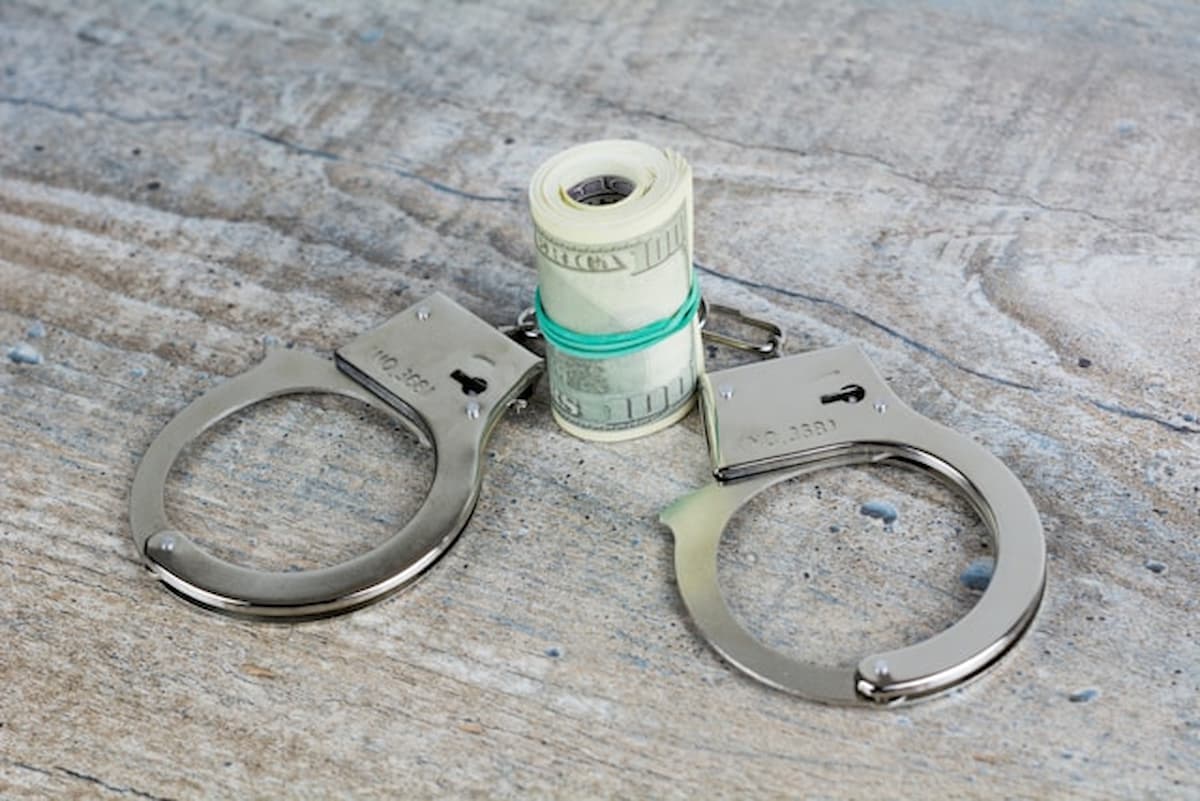
Women in Ohio and Maryland have been sentenced to prison for stealing nearly $3 million to support their gambling addictions.
Kaycie Antonik, former executive director at Eastern Ohio Housing Development, admitted to stealing $2.3 million from the agency that “provides housing for developmentally disabled and chronically mentally ill adults.”
Belmont County Judge John Vavra sentenced Antonik to four years and 11 months in prison and detailed her offenses:
- Double wage payments
- Forgery
- False reimbursement for alleged expenses
- Fake or doctored invoices
- 1,715 personal payments made to look as if the money was paid over to her husband and/or his businesses
- 500 altered checks
- 265 misuses of the company’s debit card
Vavra also noted that Antonik’s actions “significantly impacted people with developmental disabilities.”
Antonik apologized to the court, saying: “I will never forgive myself for what I did to them. Even if they forgive me one day, I will never forgive myself. I’m so sorry.”
Anotnik’s attorney noted that his client didn’t steal the money with malice or greed, but rather Antonik “fed it into slot machines because she’s an addicted gambler.”
The attorney said that she hasn’t gambled “since the day she was fired from the agency.” He added that Antonik said she repeatedly told him, quote, “I deserve to go to prison.”
Former State Department Employee Sentenced for Stealing Over $650K
Levita Almuete Ferrer, 65, of Montgomery Village, Md., was sentenced in U.S. District Court to 12 months and one day in prison for “embezzling more than $650,000 from the U.S. State Department over a two-year period.”
Judge Christopher R. Cooper also ordered Ferrer to serve three years of supervised release and to pay $657,347.50 in restitution to the U.S. government. Ferrer, aka Levita Brezovic, used the funds to “fuel her gambling addiction,” per U.S. Attorney Jeanine Ferris Pirro.
Ferrer admitted that she “abused her signature authority over a State Department checking account between March 2022 and April 2024” while working as a Senior Budget Analyst in the State Department’s Office of the Chief of Protocol.
Ferrer issued 60 checks payable to herself and three checks payable to another individual. She “printed and signed each check and then deposited all 63 checks, which totaled $657,347.50, into her personal checking and savings accounts.”
Ferrer pled guilty on April 30, and on that same day, she visited MGM National Harbor in Axon, Maryland. She returned to the casino a week later, “gambling on high-limit slot machines.”
Ferrer’s release was then revoked, and she was detained until yesterday’s sentencing.
Just the Latest in Gambling-Induced Embezzlement Cases
Several similar cases have recently played out in courts across the country. They include:
- Two women in Minnesota and Pennsylvania were sentenced to prison for stealing over $3M from their former workplaces to fund their gambling addictions.
- Matthew Randall Ping embezzled $878,115 from the Washington State Office of Administrative Hearings and received an 18-month sentence.
- Jason Matthew Babb, a former oil-field equipment company controller, allegedly stole $683,000 from his employer in Texas to pay off gambling debts.
- In New York, federal prosecutors charged former JPMorgan and Goldman Sachs executive Richard Kim with misappropriating $4.3 million from a crypto-casino startup for personal crypto trades and gambling.
The wave of embezzlement cases is troubling and reveals the massive damage that gambling addictions can produce.