


Police in Russia-controlled Crimea say that they have shut down an illegal casino operating in the center of Simferopol, the peninsula’s largest city.
Per the Russian state-owned media outlet RIA Novosti Crimea, the illegal casino had been disguised as a computer club.
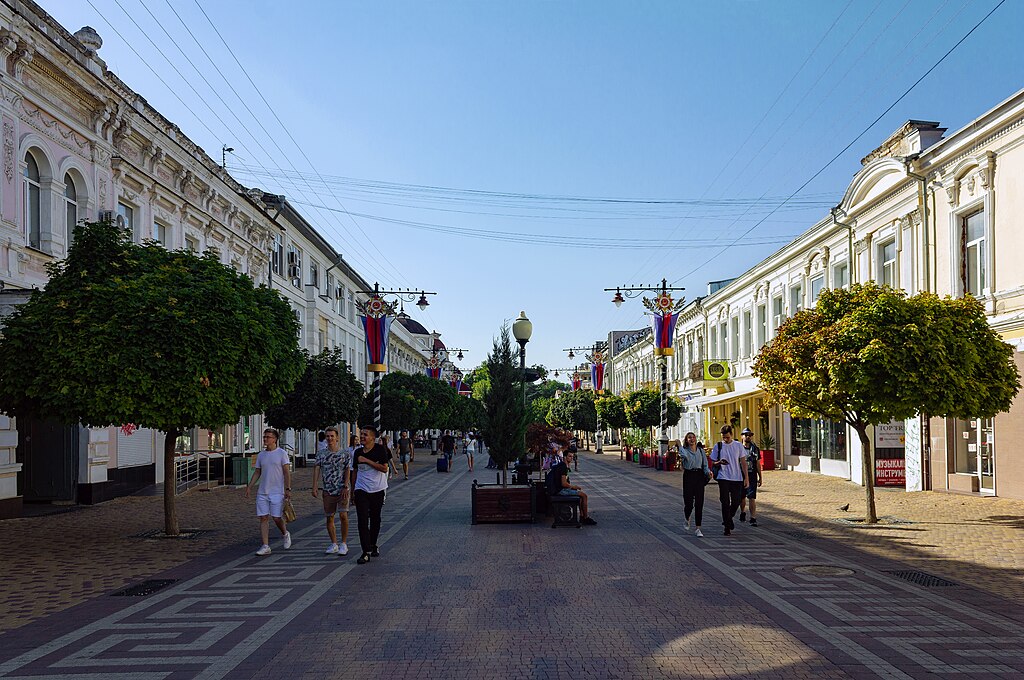
The Crimean and Sevastopol branch of the Russian Investigative Committee stated that the casino was located on central Lenin Boulevard. The casino was housed in an underground retail unit, officers added.
Investigators said an unnamed resident of the Crimean city of Yevpatoria ran the casino with two accomplices (also unnamed).
The committee stated that the trio equipped the unit with a range of gambling equipment. “Inside, everything looked just like a real casino,” investigators said.
They added that “only the slot machines were virtual,” with the operators allegedly installing PCs that ran software for slot machines.
A committee spokesperson explained: “The mastermind hired a cashier and an administrator. They operated the gaming room and provided customer service. The trio tried to avoid criminal liability and conceal the illegal nature of their activities by disguising their gaming room to make it look like a PC video gaming club.”
The city’s prosecution service said the casino opened its doors in July 2024 and earned the mastermind approximately 112,000 rubles ($1,340).
The prosecutor’s office says its probe into the alleged casino is now complete. It has indicted all three suspects on charges of organizing illegal gambling activities.
Simferopol’s Zheleznodorozhny District Court is set to try the trio later this year.
Illegal Casino: Simferopol Police Launch Manhunt
Gambling-related crime appears to be on the rise in Crimea. Last month, the Investigative Committee announced that three more Crimean residents would stand trial on charges of operating 10 illegal slot machine halls on the peninsula.
Officers think the group helped operate the halls in Simferopol, Yalta, Alushta, Kerch, Yevpatoria, Belogorsk, and Bakhchisaray between August 2021 and May 2024.
However, the alleged mastermind of this operation, a resident of Stavropol, remains at large. A manhunt is ongoing, police said.
Officers said the gambling halls were also disguised, with the group advertising the premises as a bona fide bookmaker’s office.
The casinos generated at least 91 million rubles (over $1 million) for the group, prosecutors told media outlets.
Earlier this month, the Russian government backed a proposal to fine legal casinos and bookmakers that accept money from citizens who place themselves on an opt-in “self-prohibition” blacklist.