











Tim Alper iGaming Journalist
Tim Alper is a journalist covering betting news and regulation for CasinoBeats, with a focus on regulatory developments and international markets. He reports on breaking stories across Europe and Asia, including gambling law changes and...
Read Full BioSouth Korean loan sharks are continuing to lend money to teenagers with gambling addictions, despite a sweeping government crackdown.
The South Korean newspaper Chungnam Ilbo reported that illegal, high-interest loan providers are continuing to “primarily” target minors who need cash quickly to pay for “K-pop concert tickets and online gambling.”
The Financial Supervisory Service (FSS), one of the country’s top financial regulators, has been combating a surge in online advertisements for these services in recent months. The FSS says its crackdown has yielded significant results.
Gambling Teens Targeted With ‘Proxy Loans’
However, operators continue to offer teens a service known as “proxy loans,” with the practice “still rampant,” the newspaper wrote.
These proxy loans involve operators providing teens with minimal loans, typically for amounts under 100,000 won ($73).
However, loan sharks then often charge their clients exorbitant interest fees of 10-30%, as well as additional “service fees and late payment charges.”
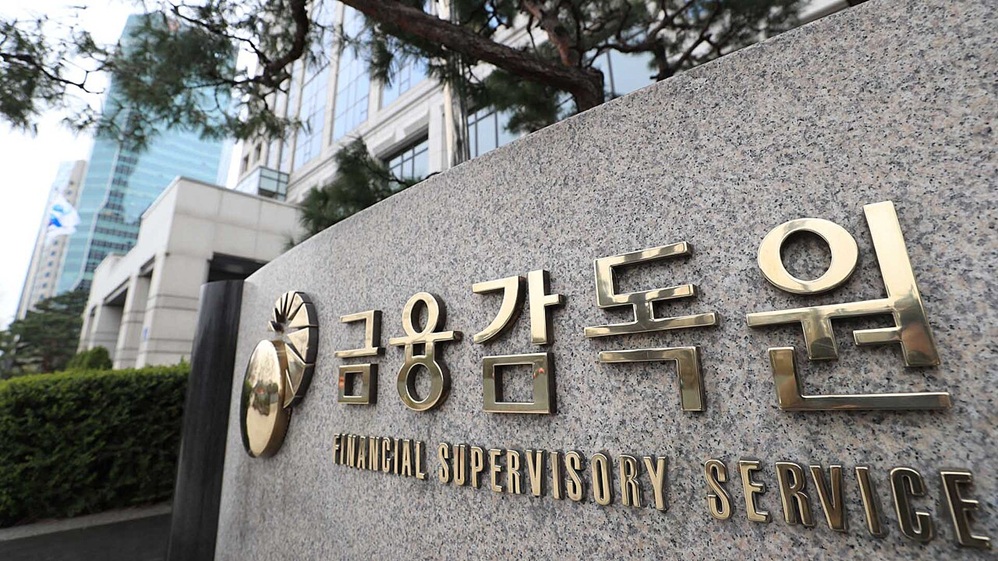
The FSS released data on these loan services in response to a request from lawmaker Heo Young of the ruling Democratic Party. Heo is a member of the National Assembly’s Political Affairs Committee.
The data shows that the number of proxy loan advertisements detected more than tripled from 1,211 in 2019 to 3,959 in 2023.
However, the number detected last year plummeted to 795, one-fifth of the previous year’s figure. The regulator thinks this drop was attributable to its six-month-long crackdown on the services.
Regulators, Police Aren’t Doing Enough to Help, Critics Complain
Lawmakers complained that most of the loan sharks involved are private individuals, meaning that “investigations and punishments are often inadequate.”
Many victims complain that they have found it difficult to access support from regulators and police, which means many never seek legal assistance.
As these are small-sum transactions, they are also difficult to monitor. But critics say that both loan sharks and gambling operators are thus being allowed to target minors with impunity.
Heo said, “We must review our advertising monitoring system. We also need to strengthen our response to illegal financial transactions.”
In June this year, South Korean police raided an illegal gambling portal worth over $18 million. Officers claimed that many of the site’s users were teenagers.
And last month, government data emerged showing that several elementary school children have recently received treatment for gambling addiction.