








Chavdar Vasilev Journalist
Chavdar Vasilev is a journalist covering the casino and sports betting market sectors for CasinoBeats. He joined CasinoBeats in May 2025 and reports on industry-shaping stories across the US and beyond, including legislative debates, market...
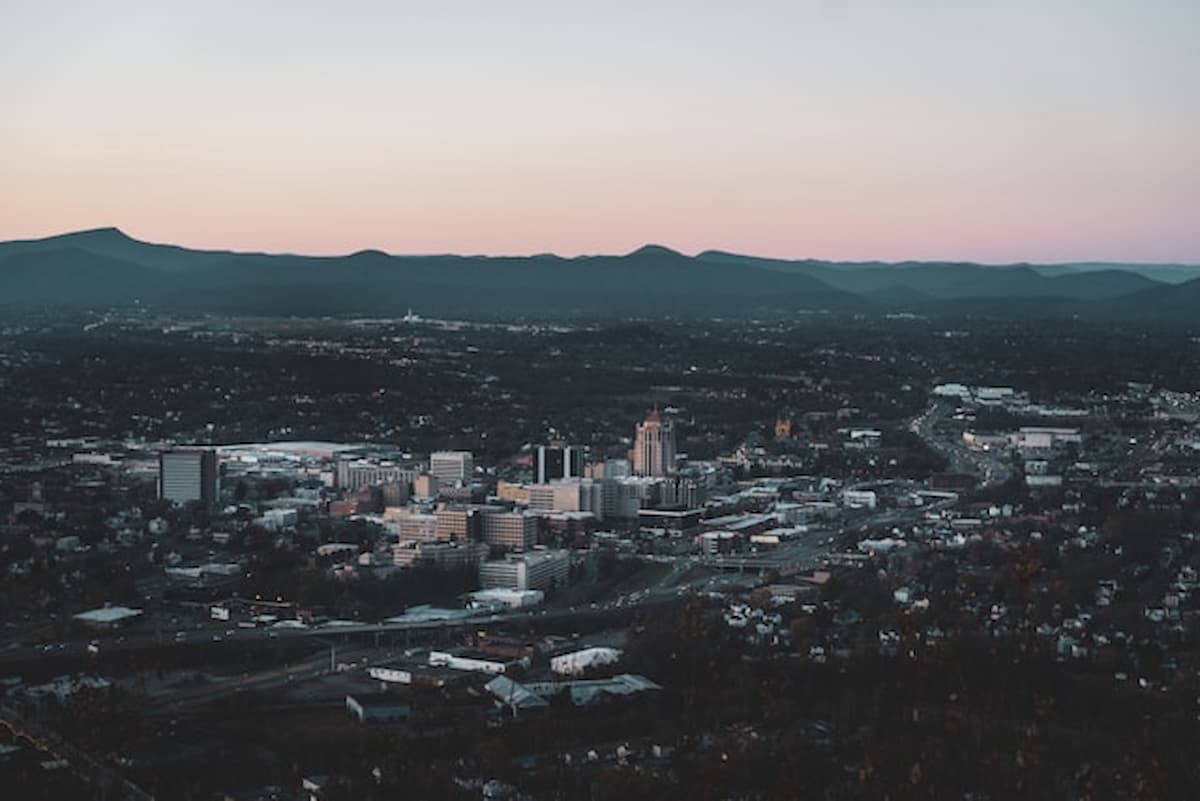
Read Full BioRoanoke is the latest Virginia city exploring a casino as an economic development tool — a move that would require both a change in state law and approval from local voters.
On October 14, city officials announced that they are assessing economic development opportunities at the Berglund Center. This includes evaluating the potential for a casino to be located in the Berglund Special Events Center.
City Manager Valmarie Turner said the initiative aims to “create an entertainment district that would significantly enhance tourism, stimulate economic growth, and generate increased revenue for both the City and the region.”
Mayor Joe Cobb added that the goal is to “inspire economic growth through increased entertainment, dining, and lodging options, with a refurbished civic center.”
Officials stressed that the concept is in its “early stages” and promised a “thoughtful and transparent process” as discussions unfold.
Long Road to Legalization
Under current Virginia law, casinos are permitted only in five cities: Bristol, Danville, Norfolk, Portsmouth, and Petersburg. Voters in all of them approved a casino via referendum. Petersburg replaced Richmond, where voters twice rejected a casino.
For Roanoke to join that list, the General Assembly would first need to pass new legislation allowing the city to hold a referendum on a casino. After that, residents could decide the matter at the ballot box.
Some local lawmakers, such as David Suetterlein (R-4th), and delegates Sam Rasoul (D-38th) and Joe McNamara (R-40th), have already voiced opposition after hearing the news.
“None of us are in favor of a casino in our town that we love and adore,” said McNamara. “So first step, Roanoke City would have to find somebody, a legislator outside the district to carry the bill.”
Mixed Reaction at Home
Residents have mixed feelings about the possibility of a casino. Some see it as a lifeline for the financially struggling Berglund Center, which hosts concerts, conventions, and sporting events but has struggled with maintenance costs. Supporters argue that a casino will bring jobs and tourism, while the resulting tax revenue will help fund city projects, such as infrastructure and schools.
As with most casino proposals nationwide, some critics warn of social risks. Concerns include gambling addiction, crime, and traffic impacts on nearby neighborhoods. Others fear a casino would ruin the city’s small-town feel.
Meanwhile, some residents recall the Berglund site’s role in Roanoke’s history of urban renewal, which displaced predominantly Black communities. They argue that a casino there could deepen economic inequality rather than alleviate it.
Tysons’ Struggles Offer a Warning
Roanoke is not alone in Virginia in considering a casino. Lawmakers and residents in Fairfax County (outside Washington D.C.) are fiercely divided on a proposal for a casino in Tysons Corner.
In Northern Virginia, the casino question has become a political flashpoint. Republican House candidate Cassandra Aucoin recently announced her opposition to the project. At the same time, advocacy groups, such as the No Fairfax Casino Coalition, have mobilized against what they call an unwanted “Vegas-style” development in a suburban corridor.
A recent Global Strategy Group survey also shows opposition. It found that roughly three-quarters of Fairfax residents oppose a casino in Tysons. Residents were particularly concerned with traffic and neighborhood disruption. Many also believe the state has an adequate number of casinos.
Despite several attempts, bills authorizing a local referendum have repeatedly failed in the Legislature. The closest effort was earlier this year. Senate Majority Leader Scott Surovell introduced a bill, which cleared the Senate but failed in the House. State Sen. Ghazala Hashmi, who narrowly won the Democratic Lieutenant Governor Primary in Virginia, voted in favor.
The Tysons debate offers a preview of what Roanoke might expect: organized opposition, political gridlock, and voter hesitation even in high-growth regions.
Virginia’s Broader Casino Landscape
Elsewhere in Virginia, casino projects continue to reshape the state’s gambling landscape. Rivers Casino Portsmouth opened its permanent facility in early 2023, with Bristol and Danville following in late 2024.
Meanwhile, Boyd Gaming recently finalized a lease connected to the planned fifth casino in Norfolk. Boyd’s joining the project late last year signals confidence among national operators that Virginia remains fertile ground for expansion.
Whether Roanoke can join that list will depend on local debate and legislation. For Berglund Center to become the site of a new entertainment hub, public sentiment and policy must align. Still, recent setbacks in Tysons and cautious reactions in Roanoke suggest that the state’s casino map may remain frozen for now.