







Chavdar Vasilev Journalist
Chavdar Vasilev is a journalist covering the casino and sports betting market sectors for CasinoBeats. He joined CasinoBeats in May 2025 and reports on industry-shaping stories across the US and beyond, including legislative debates, market...
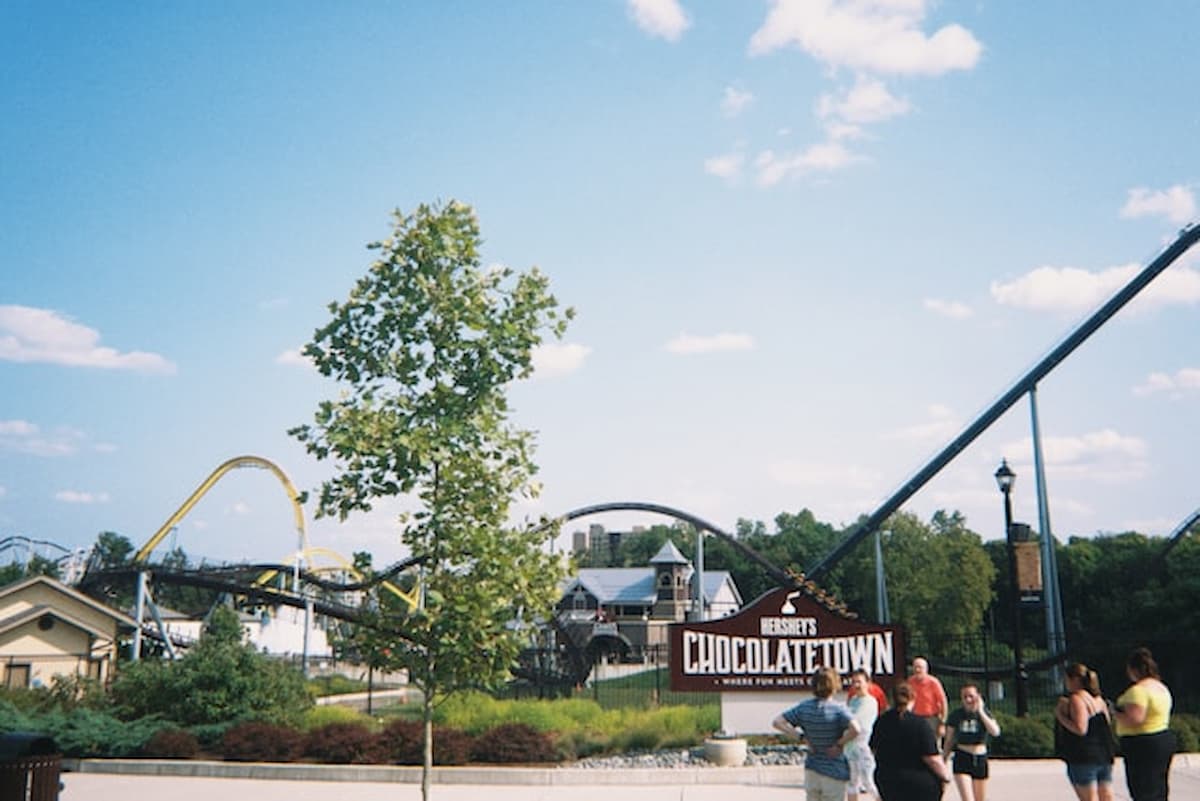
Read Full BioOver 100 small business owners gathered at a Hershey rally last week in defense of skill games, arguing the machines are “helping keep the lights on” as lawmakers continue to debate how, or whether, to regulate and tax them.
Operators of bars, convenience stores, and restaurants attended the event, which allowed them to engage in conversations and discussions surrounding the games. They warned that high taxes or restrictive regulations could threaten a crucial source of revenue.
Attendees Call for ‘Fair Regulations’
“From the income we received from the game of skills… we’re able to pay our employees overtime a little more… we do use it to keep the cost of food down… so our customers can get a good meal at a fair price,” a representative from House of Pizza said.
Another attendee added that current tax proposals could push some operators out of business. “We are paying 34 to 36%. So, under the new legislation that was put out there, they want to put money on top of that. It’s not fair. And all the regulations in that bill that create an opportunity for businesses to fail, not prosper in Pennsylvania.”
Attendees also emphasized that revenue from skill games helps them contribute to community support. “We are community givers. We try to give as much as we can to the community. And, you know, with the game of skills, we’re able to do that.”
Supporters, including Senator Gene Yaw, say skill games have helped sustain neighborhood taverns, veterans’ posts, and social clubs. Yaw’s office maintains that “many of them are located in fraternal clubs, veterans’ organizations, taverns and small businesses across Pennsylvania,” arguing that additional taxation could “drive skill games out of business entirely.”
The business owners said they hope for “fair regulations.” Some called for tax rates under 20%, in line with Yaw’s proposal.
Unresolved Debate Over Taxes & Oversight
Despite Pennsylvania being home to tens of thousands of skill game machines, the terminals operate in a legal gray zone. For many years, lawmakers have disagreed on whether to tax or ban them.
Multiple proposals on regulation appeared this year. Governor Josh Shapiro proposed a 52% tax rate in his budget, which would put skill games on par with casino slot machines.
Meanwhile, bills in the Legislature suggested rates ranging from no levy to 35%. Sen. Yaw, who’s been pushing a regulation bill for years, has proposed a 16% tax. He has cited that a higher tax would threaten small businesses that heavily rely on revenue from skill terminals, a sentiment shared by the Hershey rally attendees.
Lawmakers did not agree on any of the proposals by the June 30 deadline for the 2025/2026 state budget. However, as it’s now been over 100 days late, they are reigniting the debate on including skill games in it.
Negotiations continue, including the introduction of bipartisan bills. But for a successful outcome, lawmakers must align on tax rates, the number of machines, and who should enforce compliance.
Growing Scrutiny
Beyond taxes, some lawmakers have raised concerns about 24/7 skill game parlors. In September, Senator Wayne Langerholc warned that the proliferation of these unlicensed venues has created public-safety challenges.
Langerholc says the 24-hour parlors are popping up everywhere. He suggested that individuals who own them are coming in from out of state and taking the earnings outside of Pennsylvania.
“We don’t necessarily know who the owners are, there’s no clear register or database of who owns that facility, and you have individuals coming in there that create significant problems for law enforcement.”
While legislative efforts have thus far been unsuccessful, the courts have also delivered mixed results. In 2023, a county judge ruled that specific machines are not gambling devices. Later that year, an appellate court upheld the decision.
State authorities have appealed the decisions to the state’s Supreme Court. While the Court refused initially to hear one case, in June 2024, it agreed to weigh in on another.
However, while waiting for that decision for over 15 months, skill games continue to proliferate in Pennsylvania’s small businesses without contributing any tax revenue to the state.
Casino Sector Pushes Back
Licensed casinos, facing stagnant slot revenues and higher operating costs, have increasingly blamed skill games for cutting into their customer base.
The industry has called for a ban on the machines. Representatives have also argued that casinos should pay lower taxes if skill games remain untaxed.
Some lawmakers have tried to remedy the situation. In June, the Pennsylvania Senate passed a bill to lower the required minimum number of slot machines per casino. The move aimed to help casinos adjust their offerings to compete with out-of-state casinos. But while it passed in the Senate, the bill stalled in the House.
Casino operators argue that the uneven playing field is undermining both state revenue and the integrity of the regulated gaming market. Gary Hendricks, General Manager of Presque Isle, highlighted the threats posed by out-of-state casinos and unregulated skill games.
Hendricks stated, “The proliferation of untaxed skill‑game machines across the state—and growing out‑of‑state competition—makes us question the long‑term sustainability of the property.”
What Comes Next
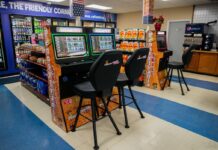
For now, Pennsylvania’s skill-game industry remains in limbo. The machines are widespread — across gas stations, bars, and social halls — but operate without taxation or regulatory structure.
If lawmakers can agree on a compromise, the state could finally regulate them and secure new tax revenue. However, if negotiations remain deadlocked, the issue may remain unresolved for another year. There’s also the chance that the final word could come from the courts.
Either way, both small-business owners and casino operators agree on one thing: Pennsylvania’s gaming landscape is poised for a fundamental shift if lawmakers decide where skill games belong.