


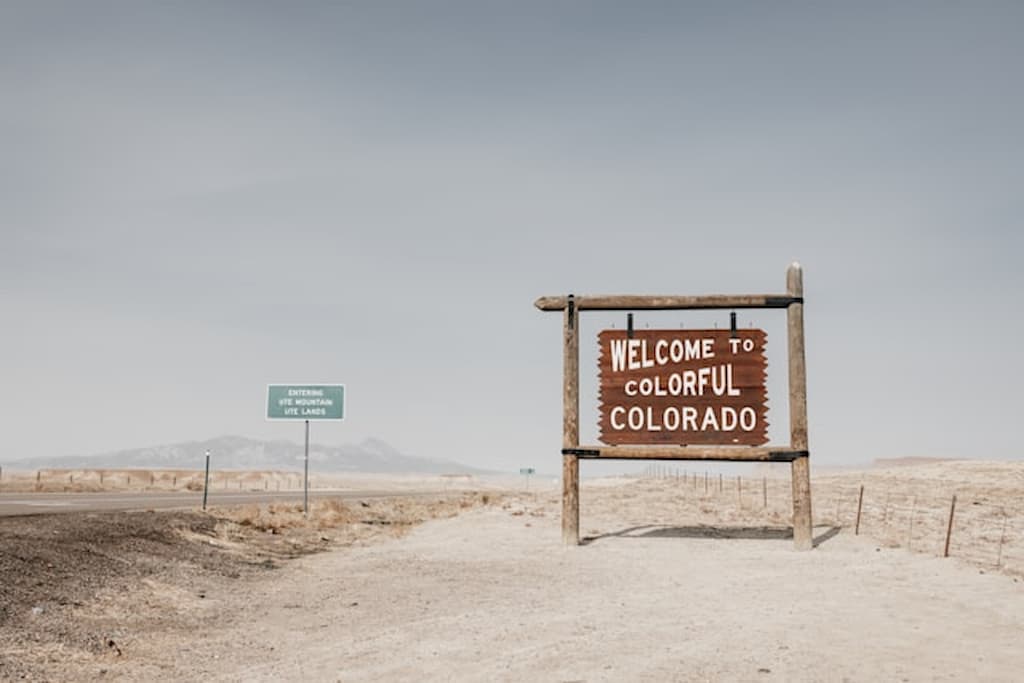
A judge has dismissed a lawsuit brought by Colorado’s two federally recognized tribes, the Southern Ute and Ute Mountain Ute, that challenged the state’s regulation of online sports betting. The judge ruled that wagers placed outside tribal lands are not within the jurisdiction of the Indian Gaming Regulatory Act (IGRA).
The Oct. 23 decision by US District Judge Gordon Gallagher ends a 15-month legal battle that raised questions about tribal sovereignty in the age of mobile sports betting.
“This Court finds that the gaming occurs where the bettor is located,” Gallagher wrote as reported by CPR. “If the bettor is on Indian land … IGRA applies. If the bettor is off Indian land … IGRA does not apply.”
Tribes Argued Compact Rights Were Ignored
The Southern Ute filed the initial complaint in July 2024, and the Ute Mountain Ute joined shortly after. The tribes argued that their state gaming compacts allowed them to offer any form of gaming permitted elsewhere in Colorado, including online sports betting, which voters approved in 2019 under Proposition DD.
“The State’s disregard for the binding Gaming Compact is motivated by money,” the Southern Ute complaint stated.
The tribes argued they were within their rights to operate an online sports betting platform. They accused the state of demanding the same 10 percent tax imposed on commercial sportsbooks for wagers placed on land outside the reservation. The tribes claimed that violated federal protections and their tax-exempt status under IGRA.
Colorado countered that it only regulates wagers made by bettors physically located outside tribal territory. Because online bets are tied to the bettor’s location, the state argued, its oversight did not intrude on tribal sovereignty.
A Decision Rooted in Geography
Judge Gallagher sided with the state. He concluded that “gaming occurs where the bettor is located,” not where the tribal servers process the bet.
The ruling observed that IGRA was written “in a simpler technological time when both the gambler and the game were likely in the same place at the same time.” It highlighted how federal law has yet to catch up with digital wagering.
Governor Jared Polis’s office welcomed the decision, saying, “We deeply respect the government-to-government relationship … We are glad that the court ruled in the state’s favor to ensure Colorado can continue to manage sports betting in a way that works best for Coloradans.”
For the tribes, the dismissal limits their ability to operate statewide mobile sportsbooks without state regulation or taxation.
Contrasting Florida’s Server-Based Model
While Colorado’s court rejected the idea that a tribal server ties the gaming location, Florida has embraced the opposite view.
The Seminole Tribe of Florida launched statewide online sports betting through its Hard Rock Bet platform under a compact approved by the Department of the Interior. The compact treats wagers as occurring “on Indian lands” if processed by servers on tribal territory.
The D.C. Circuit upheld that interpretation in 2023, and the US Supreme Court declined to hear the appeal. This allowed the Seminoles’ online expansion to continue.
In June this year, Florida’s Attorney General also defended the framework in court filings. He urged a federal judge to dismiss new challenges to the compact.
The two cases highlight a growing divide over the application of IGRA in the digital era. The Florida model counts a bet’s location by the server. Meanwhile, Colorado counts it by the bettor—two interpretations that could shape future tribal-gaming negotiations nationwide.
Some States Explore Mobile Betting Through Tribes
Colorado’s dispute mirrors growing tensions nationwide as tribes and states test the application of sovereignty in online sports betting.
In Oklahoma, lawmakers advanced two tribal-exclusive sports-betting bills earlier this year that would give tribes complete control over digital wagering within the state’s boundaries. While they passed in the House, they ran out of time in the Senate.
In California, tribal governments are signaling renewed momentum for online sports betting via a “YES Pledge” circulated by the Sports Betting Alliance’s Tribal Advisory Council.
The pledge states: “We, the undersigned Tribal Nations of California, commit to working together to secure voter or legislative approval of a tribally governed framework for online sports betting.”
The state’s tribes are also defending their sovereignty in the courts. Several tribes have filed a lawsuit against prediction market operator Kalshi and trading platform Robinhood. They claim the defendants offer event contracts that mimic sports bets, which are illegal in California and violate IGRA.
In recent developments, Wisconsin lawmakers have floated legislation to legalize online sports betting exclusively through tribal casinos.
Together, these attempts underscore a growing divide over how to create a regulated sports betting framework: through tribal or state regulators.
Economic Stakes & Broader Context
The Colorado dismissal lands amid record prosperity for tribal gaming nationwide. US tribal casinos generated $43.9 billion in revenue during FY 2024, according to the National Indian Gaming Commission.
That success has fueled tribal efforts to secure more influence in the online space, where non-tribal operators dominate markets from New Jersey to Illinois.
The Colorado ruling may narrow the tribes’ digital footprint. Still, it also underscores a larger question: how far tribal sovereignty extends when gaming moves from the casino floor to the smartphone screen.