







Chavdar Vasilev Journalist
Chavdar Vasilev is a journalist covering the casino and sports betting market sectors for CasinoBeats. He joined CasinoBeats in May 2025 and reports on industry-shaping stories across the US and beyond, including legislative debates, market...
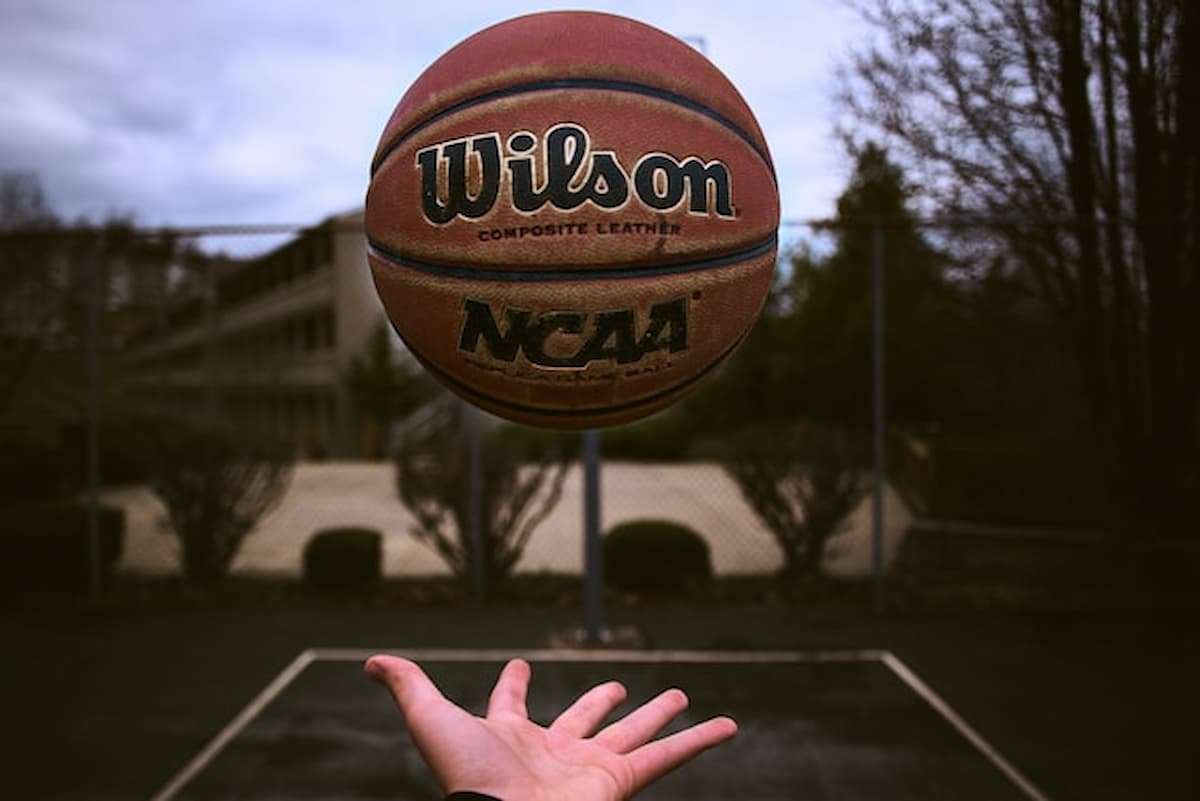
Read Full BioThe NCAA has permanently banned six former Division I men’s basketball players from three schools – the University of New Orleans (UNO), Mississippi Valley State University (MVSU), and Arizona State University (ASU) – after concluding a months-long investigation into betting-related game manipulation across multiple programs.
The disciplinary action followed the organization’s September announcement of a broader probe involving 13 players across six schools, including ASU, MVSU, and UNO. The three schools being at the center of the latest ruling suggest they are part of the same overarching investigation.
According to the NCAA, players at each school either manipulated their own performances or provided insider information to third parties who placed bets on the games.
What Happened
According to an NCAA news release, the UNO case began in February 2025 when a teammate reported hearing Cedquavious Hunter, Dyquavian Short, and Jamon Vincent discussing a third party who had placed a wager on their December 28, 2024, game. The witness added that during a timeout, Short told him “not to score any more points.”
NCAA investigators uncovered messages on Vincent’s phone indicating that he and his teammates planned to “throw the game.” Short and Hunter exchanged messages about receiving $5,000 and held FaceTime calls with a bettor who told them to “lay it down.”
That same month, an integrity-monitoring service flagged “suspicious activity” in one of MVSU’s January 2025 games, prompting a separate inquiry. Investigators discovered that Donovan Sanders and Alvin Stredic supplied inside information to a third party to influence betting outcomes.
Meanwhile, the NCAA discovered the violations related to Chatton “BJ” Freeman at ASU during a separate case involving Fresno State player Mykell Robinson. Freeman shared information about his performance with Robinson, who was betting on him on daily fantasy apps. Freeman also provided information to his then-girlfriend, who was also betting on him.
In all three cases, the NCAA found that the players provided “false or misleading information” during interviews. Each was declared permanently ineligible — the harshest penalty under NCAA wagering bylaws. All six are no longer enrolled in their former schools.
Linked to September Betting Investigation
The November 7 findings are likely to bring closure to the September investigation, as the NCAA revealed it’s pursuing action against 13 men’s basketball players at six schools for possible betting and game manipulation violations. Those programs included ASU, UNO, MVSU, Eastern Michigan, Temple, and North Carolina A&T State University.
At the time, the NCAA stated that it was collaborating with integrity monitoring services and law enforcement to investigate potential game manipulation. The latest announcement indicates that at least six of those 13 have now received permanent bans. Meanwhile, investigations into the remainder may still be ongoing.
That inquiry followed another case announced just days earlier. In that probe, the NCAA banned three Fresno State players, including Robinson, for betting on prop markets tied to their own games.
NCAA’s Betting Policy Change — Delayed But Looming
Even as more betting-related incidents increase, the NCAA is preparing to loosen its long-standing wagering rules.
In October, the association approved a rule change to allow student-athletes and athletics department staff to wager on professional sports. The implementation of the new rule was scheduled for November 1. However, it has been delayed until November 22, following requests from schools for additional time to evaluate potential integrity impacts.
The NCAA has emphasized that betting on college sports remains prohibited. Also, it continues to ban student-athletes from sharing insider information or associating with gambling entities connected to college competition.
The rule change has drawn both support and criticism. Some argue that it modernizes outdated restrictions in a world where more than 40 states have legalized wagering. In contrast, others warn that it sends a mixed message at a time when sports gambling scandals are multiplying.
Growing Scrutiny Across Sports
The NCAA cases arrive amid a broader wave of betting-related investigations spanning multiple sports. Beyond college sports, major professional leagues have faced their own crises.
In late October, the FBI arrested 30 individuals for involvement in illegal gambling rings allegedly tied to NBA personnel. Arrested individuals include Portland Trail Blazers head coach Chauncey Billups, Miami Heat player Terry Rozier, and former player and coach Damon Jones. Details continue to emerge, including ties with organized crime.
Over the summer, the MLB suspended Cleveland Guardians players Emmanuel Clase and Luis Ortiz over sports betting violations. In the latest developments, the Department of Justice charged the pair with multiple sports betting and money laundering conspiracy charges.
As a UCLA expert recently told CasinoBeats, the “normalization of gambling” in everyday sports culture has blurred ethical and practical lines for athletes who now grow up with betting ads and fantasy leagues as part of the landscape.