







Chavdar Vasilev Journalist
Chavdar Vasilev is a journalist covering the casino and sports betting market sectors for CasinoBeats. He joined CasinoBeats in May 2025 and reports on industry-shaping stories across the US and beyond, including legislative debates, market...
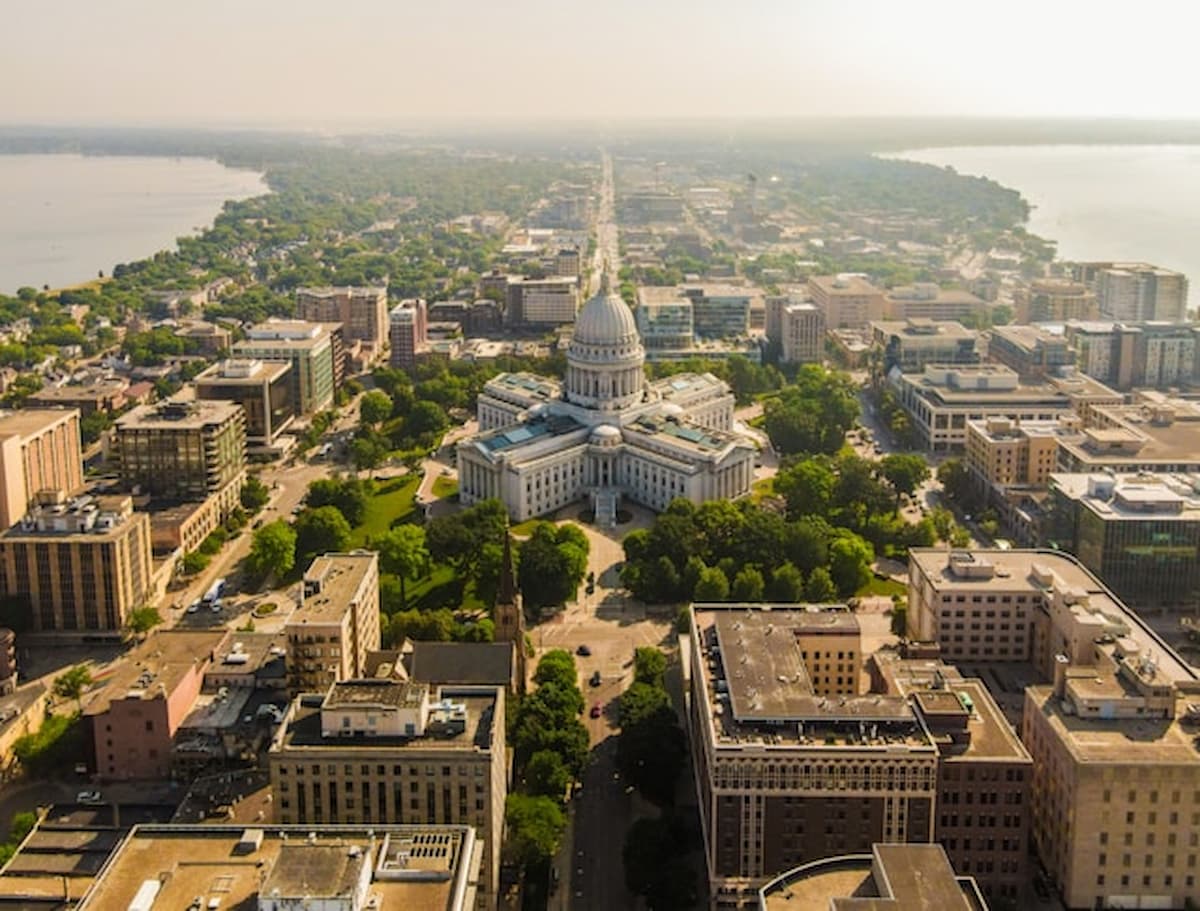
Read Full BioWisconsin’s push to legalize online sports betting cleared a significant step last week, but the plan still faces opposition from prominent operators like DraftKings and FanDuel.
Senate Bill 592 (SB 592) advanced through committee, setting up a broader debate on whether the state should follow a tribal-exclusive model similar to Florida’s.
Bill Clears Committee
The Wisconsin Senate Committee on Agriculture & Revenue advanced SB 592, which would legalize mobile sports betting through the state’s federally recognized tribes.
If enacted, the bill would create a so-called “hub-and-spoke” model. Under the framework, all bets would be processed through servers based on tribal reservations.
“If we do this, it will legalize what a lot of people are doing right now illegally,” said bill sponsor Sen. Howard Marklein during a November 4 hearing.
“Based on the data we’ve seen, this is an activity that’s not declining; it’s increasing. And I think it’s appropriate for us to deal with this now, before it gets even bigger.”
Under the measure, tribes would control statewide wagering via compacts approved under the Indian Gaming Regulatory Act (IGRA). Commercial operators, such as FanDuel or DraftKings, could still participate, but only through tribal partnerships. The framework essentially builds upon Wisconsin’s existing agreements, which already permit limited in-person sports betting at tribal casinos.
Notably, SB 592 has bipartisan support with 15 co-sponsors.
Sports Betting Alliance Objects to 60% Revenue Share
The Sports Betting Alliance (SBA), a trade group representing five major U.S. sportsbooks — FanDuel, DraftKings, BetMGM, bet365, and Fanatics — voiced strong opposition to the proposal.
“Online sports betting is a low-margin and capital-intensive business. It is simply not economically feasible for a commercial operator to hand over 60% just for the right to operate in the state,” testified SBA counsel Damon Stewart in the same hearing.
Stewart claimed the bill’s mandated 60% minimum revenue share for tribes would make Wisconsin unattractive to major brands.
“It’s a bit odd because I’ve been listening to the sponsors and I think we agree on many of the goals,” he added. “We just don’t think this vehicle gets us there.”
The SBA also argued that allowing only small, tribe-run apps would fail to curb illegal gambling or channel players away from offshore sites. Tribal leaders rejected that argument, saying national operators were underestimating their capability.
“What the SBA did was come to the table and tell us we are not capable of running this [statewide mobile sports betting],” Dominic Ortiz, CEO and General Manager of Potawatomi Hotel & Casino, said during an Indian Gaming Association podcast.
The division mirrors tensions seen in other tribal gaming states, where commercial sportsbooks have lobbied for broader access while tribes seek to retain exclusivity over wagering.
Echoes of Florida’s System
The Wisconsin proposal closely resembles the sports betting framework in Florida. There, all online wagers are processed through servers on tribal land. The 2021 Seminole compact created a statewide monopoly for the Hard Rock Bet app and has survived multiple court challenges. That includes the Florida Supreme Court and the US Supreme Court.
A Florida judge recently dismissed a lawsuit challenging the compact. The decision reaffirmed the model’s legality under federal law — a precedent that could bolster Wisconsin’s confidence in its own approach.
However, Florida’s exclusivity also limits market competition, which multiple reports suggest would increase revenue. Wisconsin’s plan would at least permit outside participation, though on terms critics say are economically unrealistic.
National Context: Tribal Control Trends
Beyond Wisconsin, the clash between tribes and commercial operators continues nationwide.
One of the most high-profile battles is in California, where sports betting remains illegal. In 2022, voters rejected two separate measures, each backed by commercial operators and the tribes.
Tensions appear to have eased recently. The SBA has shown openness to a tribal-first structure if it means access to the nation’s largest market.
Tribes recently scored a legal victory in Washington state. In October, the US Supreme Court denied Maverick Gaming’s challenge to the state’s tribal-exclusive sports betting model.
In contrast, a recent ruling in Colorado went the other way. A district court judge ruled against the state’s two tribes in a lawsuit challenging Colorado’s sports betting framework. The judge ruled that wagers placed outside tribal lands are not within the jurisdiction of IGRA, contrary to the Florida rulings.
Together, those cases illustrate the growing friction — and negotiation — between tribes asserting sovereign rights and national operators seeking scalability under consistent commercial rules.
What Happens Next
SB 592’s next stop is the full Senate floor. Even if it passes, Wisconsin would need to negotiate compact amendments with each participating tribe and seek federal approval from the Bureau of Indian Affairs. That process could take months.
Supporters argue the bill would redirect millions in wagers currently flowing offshore or to neighboring states. Opponents warn that it could instead produce a Florida-style monopoly, lacking sufficient operator competition to benefit consumers.
If enacted, Wisconsin would become only the second state, after Florida, to run online sports betting primarily under IGRA authority. This legal framework could reshape the next wave of state negotiations.