










Adam Roarty Editor
Adam Roarty is a journalist covering sports betting, regulation, and industry innovation for CasinoBeats. His coverage includes tax increases in the UK, covering breaking stories in the ever-evolving landscape of US betting such as the...
Read Full BioA new study has shown that a prebiotic found in kidney beans and other foods can improve gut health, which in turn reduces impulsive behavior, including problem gambling. The study measured the effects of the prebiotic on rats after a traumatic brain injury, but the findings may provide insight into how to reduce compulsive gambling in humans.
Researchers at Ohio State University found that adding the prebiotic galacto-oligosaccharide (GOS) to rat diets before and after a traumatic brain injury lowered their impulsivity in a decision-making gambling test.
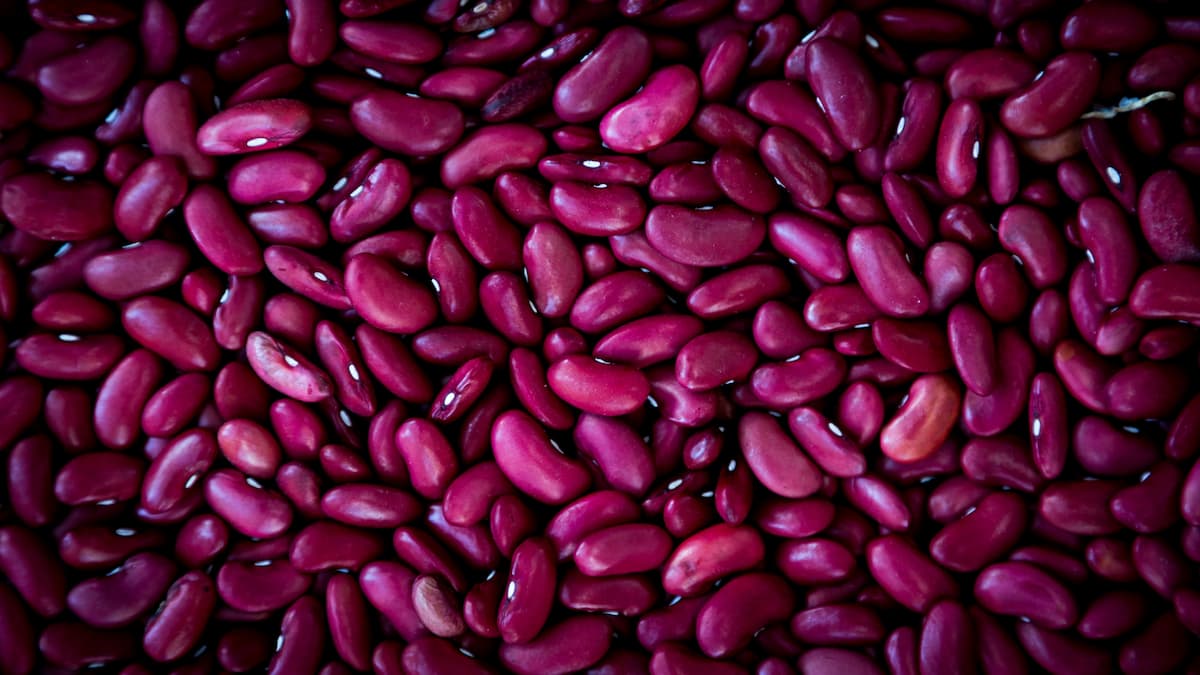
In the study, rats were fed a diet in which GOS made up 2% of their total daily food intake. GOS is found in dairy products, beans, and some nuts. Key sources include cow’s milk, yogurt, cheese, chickpeas, lentils, and kidney beans.
Kidney Beans & Supplements Could Help Reduce Impulsive Behavior
One of the best sources of GOS is kidney beans, which contain 1 to 1.5g per 100g. This means people would need to take supplements to increase GOS up to 2% of their overall diet. Many prebiotic supplements also contain GOS.
The rats in the study that received the supplements exhibited significantly less impulse control problems. Dr. Cole Vonder Haar led the study and said it is a rare case of a treatment showing beneficial effects in reducing impulsive behavior.
He stated, “It’s a modest effect. They’re still more impulsive than control animals without injury, but it’s reduced compared to their counterparts. Most of the studies we’ve done to try to treat impulsivity haven’t worked out. This is one of the few times where it looks like a treatment has some beneficial effects.”
Reducing impulsive behavior is a challenge for researchers. It is, however, easy to increase impulsive behavior. Another study this week showed that an anti-psychotic drug used to treat depression has a side effect of increasing problem gambling in patients.
Study Suggests Gut Health is Key to Decision Making
During the rodent gambling task, which assesses decision-making and impulsivity, rats were presented with four choices, each resulting in varying amounts of sugar pellets as rewards. Over time, they learn what each option provides.
“And one of the key things we see is that brain injuries really suppress the ability to do this well,” Vonder Haar said. “Our rat models really show this long-term chronic impairment, which patients also struggle with.”
Previous findings have made a strong link between brain injury and impulsive behavior. Individuals who experience traumatic brain injury are more likely to develop gambling problems, even when controlling for other factors such as alcohol problems or depression.
And one of the key factors driving this impulsive behavior may be gut health, which deteriorates after brain injury. Research has shown a link between gut health and decision-making, but the findings of this research provide evidence of a causal relationship. Improving gut health may directly lead to improved decision-making, enabling individuals to better control impulsive behaviors, such as problem gambling.
Vonder Haar emphasized that the understanding of how gut health influences decision-making is not yet fully understood. It should also be noted that this is not medical advice, and the findings have not yet been replicated in human subjects.