







Chavdar Vasilev Journalist
Chavdar Vasilev is a journalist covering the casino and sports betting market sectors for CasinoBeats. He joined CasinoBeats in May 2025 and reports on industry-shaping stories across the US and beyond, including legislative debates, market...
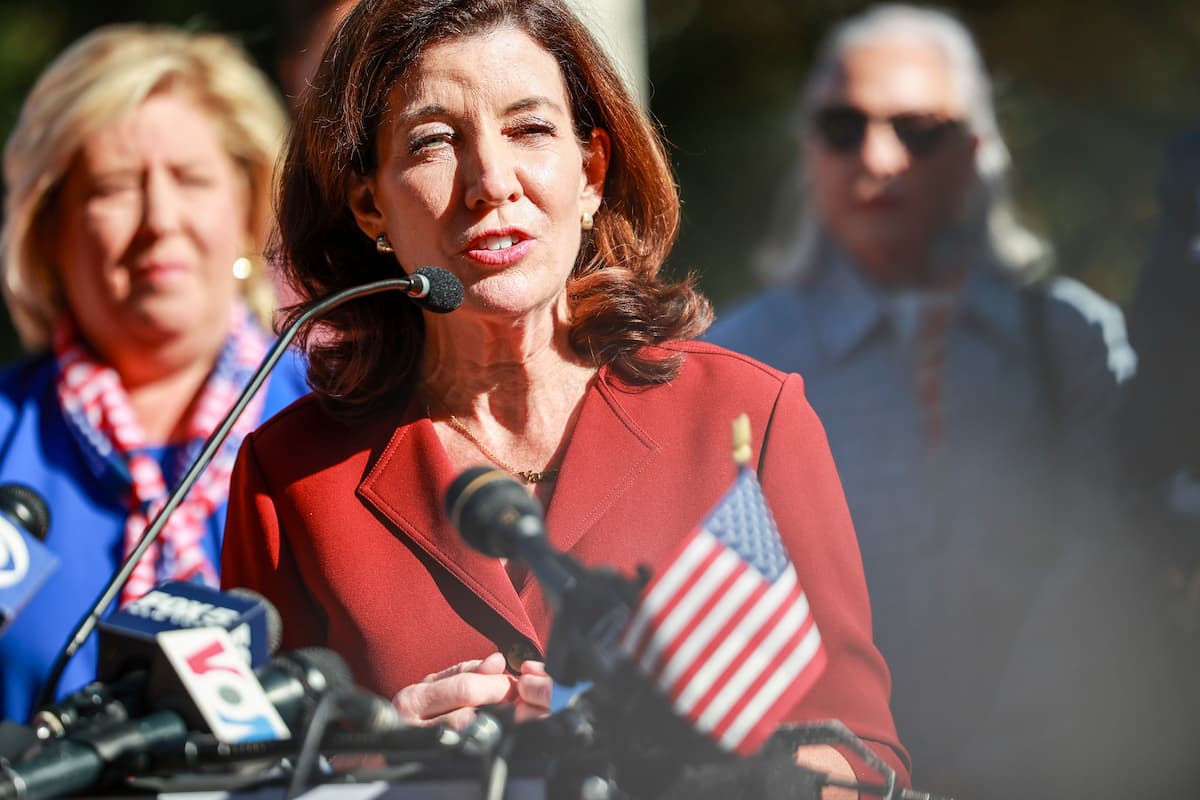
Read Full BioNew York Gov. Kathy Hochul has signed a bill that bans online sweepstakes casinos, finalizing legislation that state lawmakers passed in June and marking another step in a nationwide crackdown on dual-currency gaming platforms.
Senate Bill 5935-A (SB5935A) takes effect immediately. It arrives months after most platforms had already exited the state or halted Sweeps Coin promotional play in anticipation of the law and mounting enforcement pressure.
What the Law Does
The bill amends the Racing, Pari-Mutuel Wagering and Breeding Law. It creates a categorical ban on operating, conducting, promoting, or supporting online sweepstakes casinos in New York.
It defines an “online sweepstakes game” as any internet or mobile game that uses a dual-currency system and offers players a chance to win cash prizes while simulating casino-style gameplay, such as slots, table games, poker, bingo, lottery formats, or sports wagering.
SB5935A targets the entire sweepstakes ecosystem. It prohibits applicants, licensees, investors, payment processors, platform providers, geolocation vendors, financial institutions, content suppliers, and media affiliates from supporting sweepstakes gaming in any form within the state.
Violations carry fines ranging from $10,000 to $100,000 per offense. Offenders may lose eligibility for New York gaming licenses. All enforcement-related fines will contribute to the commercial gaming revenue fund, supporting programs for problem gamblers.
The measure empowers the New York State Gaming Commission, the Attorney General’s Office, and the State Police to enforce the law. They may issue subpoenas, conduct investigations, and send cease-and-desist orders to ensure compliance with the law.
The legislative intent section further states that regulators must deny or discontinue operations of any person or affiliate who “knowingly accepts revenue” derived from sweepstakes gaming, directly or indirectly.
Lawmakers Passed the Bill in June, With Operators Already Fleeing
The Legislature approved the bill in June. Its passage came at a time when multiple states were tightening their own enforcement efforts. New York was particularly active.
Just a week before the bill’s passage, the state’s Attorney General announced that enforcement actions had led to 26 sweepstakes casinos shutting down in the state.
The combination of the Attorney General’s actions and the bill’s passage in the Legislature led to a mass exodus from the state even before the governor officially signed the bill into law. By the time Hochul enacted SB5935A, New York was already one of the most operator-depleted sweepstakes markets in the U.S.
At the time of writing, CasinoBeats found only a handful of platforms that still list the state as an eligible territory: Casino Click, Luckybird, Crown Coins, Spinfinite, Scrooge Casino, Americana Casino, and Sorcery Reels. These outliers may now face renewed pressure under the law’s expanded definitions.
Meanwhile, sweepstakes prediction market Novig already informed customers that it’s no longer available in the state.
Part of National Trend as Six States Enact Restrictions
Hochul’s signature makes New York officially the sixth state to enact some sort of prohibition on sweepstakes casinos this year. Previously, California, Connecticut, Montana, New Jersey, and Nevada had passed ban bills.
Additionally, over a dozen other states have targeted the platforms via enforcement actions. Louisiana and West Virginia’s attorneys general issued a legal opinion and subpoenas. That resulted in over 40 operators withdrawing from these states.
Elsewhere, gaming regulators in Maryland, Delaware, and Tennessee have successfully driven out over 30 platforms via cease-and-desist orders. Regulators in states such as Arizona, Mississippi, and Pennsylvania have followed a similar path, albeit with varying degrees of success.
The crackdowns will likely continue in 2026. Lawmakers in Maine and Florida have already pre-filed prohibition bills for next year’s session. Additionally, regulators in other states may issue new cease-and-desist orders or take consumer protection actions.
What Comes Next
The immediate market impact in New York will be limited, given the mass exodus of operators earlier this year. But the broader implications are significant. The law’s expansive definitions could force out the handful of operators who still allow access from the state.
It is also likely to deter emerging platforms from attempting to operate in New York at all.
As more states are expected to introduce prohibition legislation in 2026, some could follow New York’s comprehensive language and enforcement structure.