








Adam Roarty Editor
Adam Roarty is a journalist covering sports betting, regulation, and industry innovation for CasinoBeats. His coverage includes tax increases in the UK, covering breaking stories in the ever-evolving landscape of US betting such as the...
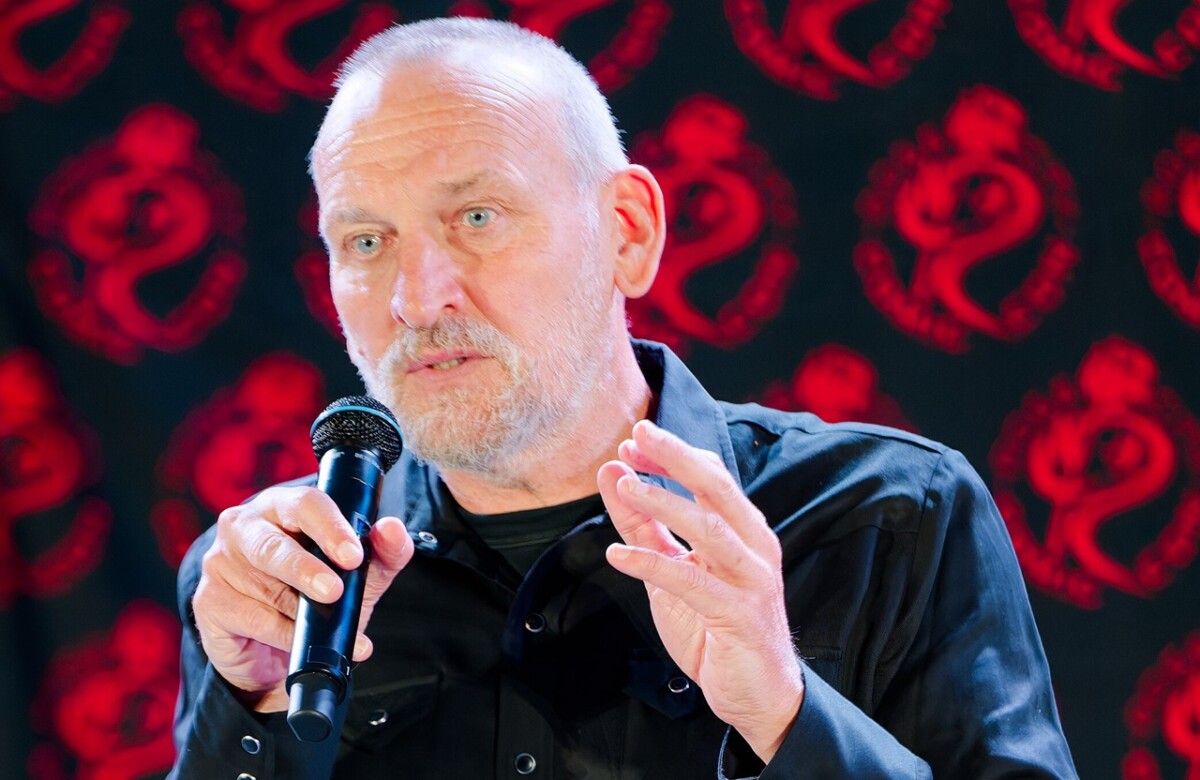
Read Full BioActor Christopher Eccleston, who has appeared in Doctor Who, 28 Days Later, and Thor, has joined the campaign to ban gambling advertising in the UK.
The Coalition to End Gambling Advertising (CEGA) released a new 15-minute video starring Eccleston this week. In the video, the actor interviews a range of experts and individuals affected by gambling addiction.
One of those interviewed is Joe Wade, CEO of ethical ad agency Don’t Panic. Wade says gambling ads appeal to bettors through using relatable figures and glamorizing gambling.
He added that companies generally use white working-class men to appeal to soccer bettors, including famous actors such as Ray Winstone and Danny Dyer.
An alternative image is the man in the tuxedo, which aims to glamorize casino gambling. Wade refers to a BetMGM ad starring Chris Rock that features the comedian wearing a tuxedo, emphasizing how BetMGM is ‘all action’.
BetMGM released a new promotion earlier this year starring Jon Hamm, although the Mad Men star appears in a leather jacket, rather than a tuxedo.
Wade says the use of stars such as Chris Rock is proof that big American companies are preying on UK consumers because the country has some of the loosest gambling laws in Europe.
The video concludes with Eccleston urging the public to join the campaign and write to their local Member of Parliament (MP) to advocate for a ban on gambling ads.
Evidence Not Yet Clear
The video notes that hundreds of people in the UK die from gambling-related suicide each year. It also states that over a million people in the country are at risk of problem gambling.
The link between gambling ads and gambling addiction is limited, however. The CEGA’s website highlights some evidence that shows over a third of gamblers claimed to have been prompted to spend money on a gambling activity by advertising they had seen.
A study in the House of Lords in the UK said the relationship between gambling ads and problem gambling is not clear, and more research is needed.
The report references a 2021 review, which stated there is “a lack of review-level evidence examining if marketing and advertising is a risk factor for harmful gambling.”
The report also states that while there is a correlation between gambling advertising and problem gambling, there is no evidence that proves that there is any causal link between the two.
Gambling Ad Spend Points To Effectiveness
The House of Lords report and the CEGA campaign both note the amount of money gambling companies spend on marketing and promotions. Both organizations cite this as proof that gambling ads must be increasing the rates of problem gambling, which increases the profits for companies.
The World Advertising Research Center (WARC) estimated that UK gambling companies spent £2 billion ($2.62 billion) on advertising last year.
The Betting and Gaming Council (BGC), which includes the biggest gambling companies in the UK, objected to this figure, claiming the true spend is closer to £1 billion ($1.3 billion).
With the BGC opposing recent tax increases in the UK, MPs have said that gambling companies should reduce their spending on adverts as a way to reduce costs. Labour MP Alex Ballinger states, “Perhaps gambling firms should think about cutting back on adverts that nobody wants to see before pushing back against paying fair taxes on their vast profits, particularly given the harms they cause.”
Soccer is a big target for gambling sponsorship and ads due ot the popularity of the Premier League. Next year, the league will ban gambling companies from appearing on the front of Premier League teams’ shirts. The impending ban has not reduced the prevalence of ads this season, but could have an impact next year.
London Mayor Sadiq Khan has also promised to reduce gambling ads on the London underground, but that is yet to happen. The mayor is understood to be concerned that any ban would be subject to legal challenge unless his office can point to evidence provided by the government.
With a lack of clear evidence linking gambling ads to gambling harm, anti-gambling groups such as CEGA have resorted to the same technique as gambling companies, using high-profile figures to push their message.