










Tim Alper iGaming Journalist
Tim Alper is a journalist covering betting news and regulation for CasinoBeats, with a focus on regulatory developments and international markets. He reports on breaking stories across Europe and Asia, including gambling law changes and...
Read Full BioA leading Russian policymaker has proposed that the country’s censors block citizens’ access to a Telegram-based casino platform.
The call comes from Yevgeny Masharov, a member of the Civic Chamber of the Russian Federation’s Commission for Public Review of Bills and Other Regulatory Acts, according to the Russian state-run media outlet RIA Novosti.
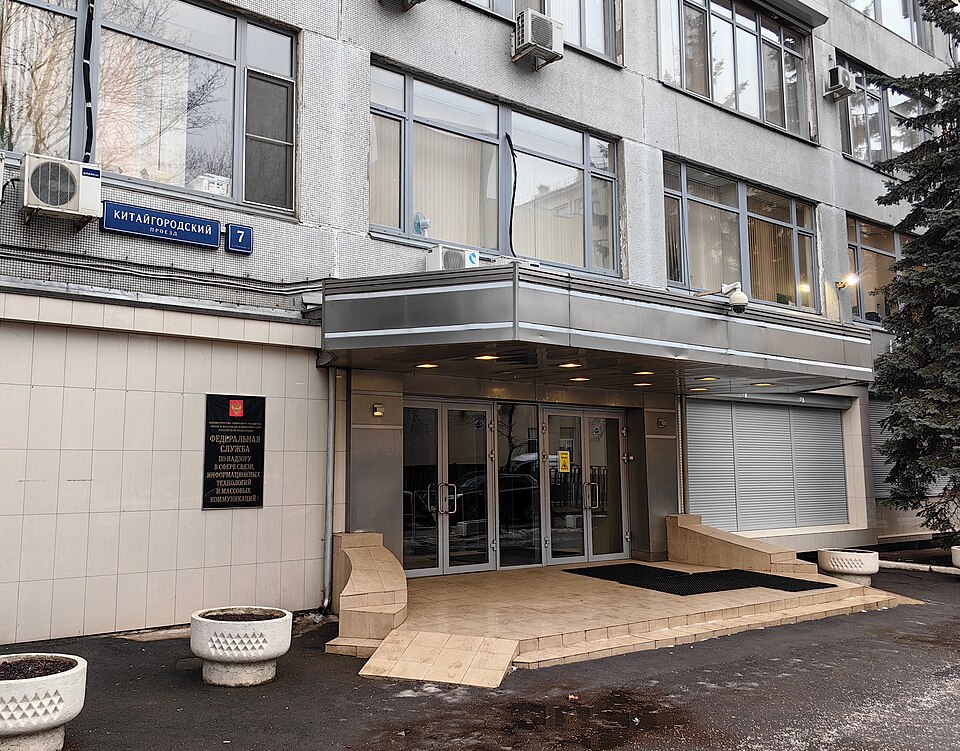
Masharov told RIA Novosti he has asked the Federal Service for Supervision of Communications, Information Technology, and Mass Media (Roskomnadzor) for its help on the matter.
He has also petitioned the Russian Central Bank, requesting that it help block access to online casinos and illegal bookmakers.
Masharov said Telegram bots operate an online casino and bookmaker for Russian-speaking audiences. He noted that the platform already has more than 870,000 users.
“I believe this gambling distribution channel is a danger to society,” Masharov said. “[Regulators and censors] need to take appropriate measures to potentially block this product for Russian audiences.”
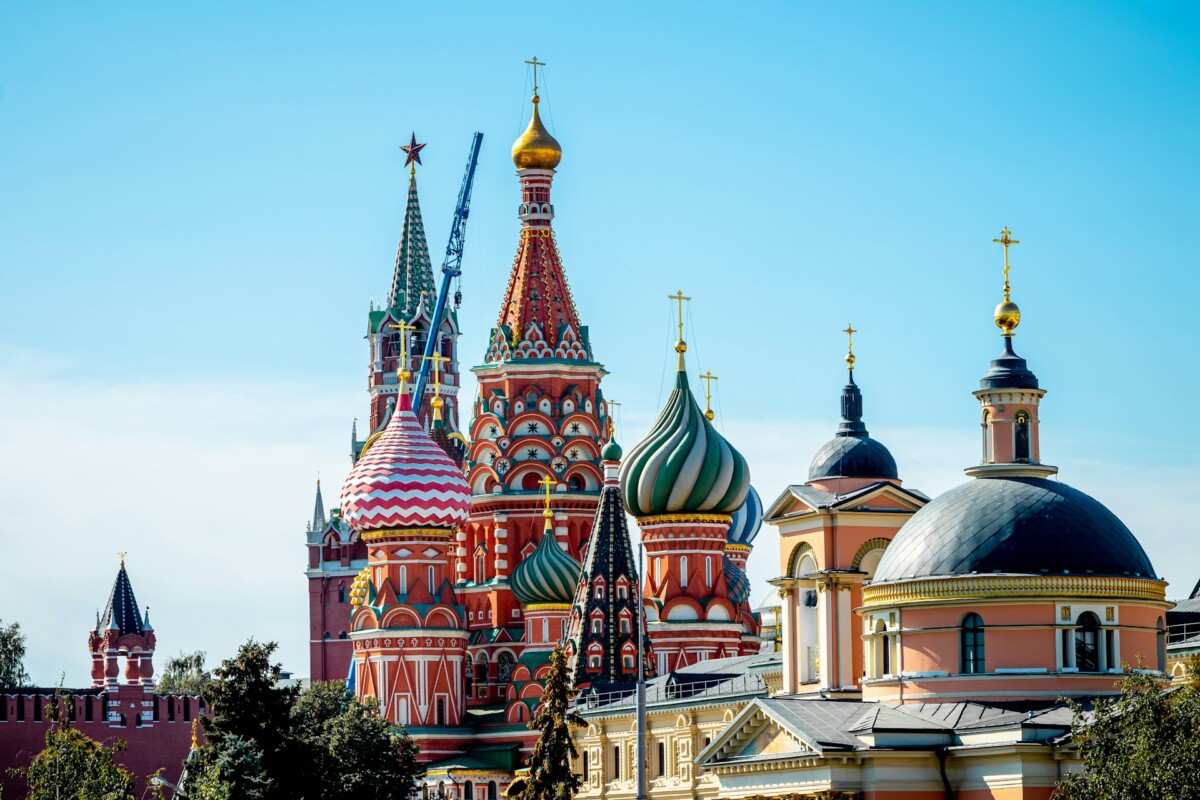
Telegram Casino: In Moscow’s Crosshairs
The policymaker said government bodies also need to “conduct preventative work with banks.” He said the Central Bank should order commercial banks to “block payments to third parties” associated with the platform.
Masharov said the platform requires no age verification or proof of identity documents. He said Russian users can make deposits and top up their balances on the platform “using any method they like.”
Masharov noted that users were currently free to make transfers to the platform from major Russian bank cards.
“You can also top up your wallet using cryptocurrencies, taking your pick of 12 coins,” Masharov added. “All of these are violations of Russian federal legislation regulating the activities of gambling organizers.”
Under the terms of a Russian law that passed at the start of the decade, neither Russian citizens nor domestic companies can use crypto as a payment tool.
Moscow’s War on ‘Droppers’
Masharov concluded that the platform utilizes QR codes to process payments through third-party services. The policymaker stated that the platform’s payment operations were not unlike so-called “dropper schemes.”
Moscow has previously attempted to wage war on networks of droppers, or cash and card mules. Policy chiefs and the Central Bank say there has been an uptick in the number of young people who open bank accounts, which they then sell to online gambling operators.
The operators then use these accounts to launder money from illegal betting platforms, making small transactions designed to evade the radar of commercial bank transaction monitoring systems.
The Central Bank has attempted to fight back by creating a national database of known droppers.
The bank began working on the database last year, enlisting the aid of the Federal Financial Monitoring Service (Rosfinmonitoring), Moscow’s anti-money laundering agency.