







Lynnae Williams Journalist
Lynnae is a journalist covering the intersection of technology, culture, and gambling. She has more than five years of experience as a writer and editor, with bylines at SlashGear and MakeUseOf. On the iGaming side,...
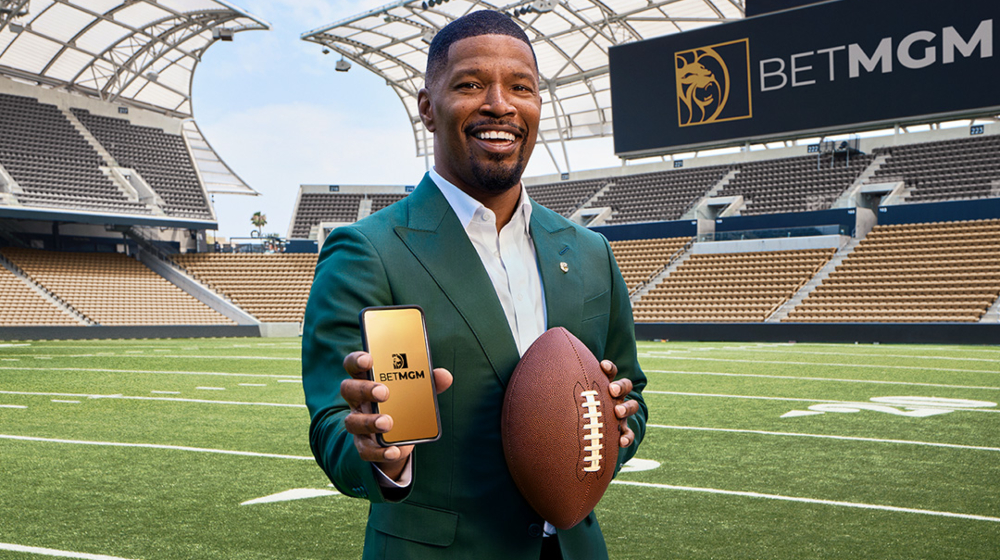
Read Full BioCelebrity endorsements are so common that most people don’t give them much thought. But does anything change when that endorsement is attached to a gambling brand? Results from a new survey suggest that they may have a more limited impact than brands hope.
According to recent findings published by YouGov, while gambling ads featuring celebrities can increase a brand’s visibility and boost positive views of them among active gamblers, they are far less effective at convincing the general public. That’s even as celebrities like Drake, who was recently sued in federal court, take on prominent roles promoting gambling brands.
The results, released January 13, show that there’s a clear divide between regular gamblers and the broader public when it comes to how celebrity endorsements influence brand perception, trust, and consideration.
U.S. Survey: Celebrity Ads Have Greater Impact on Gamblers Than Public
Among gamblers in the United States, the survey found that 42% of those surveyed said seeing a celebrity in a gambling ad makes them view the brand more positively. The survey defined gamblers as “those who place bets for money at least once a month.” In contrast, just 12% of the general U.S. population reported having a positive view of gambling ads.
For many of the survey’s respondents, whether a celebrity appeared in an ad or not made little difference at all. A plurality of gamblers (42%) said a celebrity endorsing a brand did not change their perception of it, with that share rising to 70% among all Americans. Negative reactions were relatively limited, with approximately 1 in 10 respondents in both groups saying that celebrity ads made them view a gambling brand less favorably.
When they were asked about specific attributes, gamblers expressed mixed views. While 43% agreed that celebrity-led ads make betting brands stand out and feel more entertaining, nearly half (46%) said the use of celebrities makes gambling brands appear less authentic or overly promotional. Opinions on trust were also divided among the respondents, with roughly equal shares agreeing and disagreeing that celebrity endorsements make gambling brands seem more trustworthy.
On the question of whether celebrity-led campaigns motivate people to act, they appear to have a modest effect on whether viewers consider the brand. While more than four in 10 gamblers said celebrity-backed ads could make them consider a betting brand, nearly as many said the approach would not sway them.
The survey also found that the type of celebrity is a factor. Professional athletes and gambling professionals make the best gambling brand ambassadors, while reality stars’ promotions fell flat, ranking lowest among gamblers and the general public alike.
UK Results Show Similar Skepticism & Limited Trust
In December 2025, YouGov released results from a similar survey conducted in the United Kingdom, offering additional insights into how celebrity endorsements are perceived in an older, heavily regulated gambling market.
About a quarter of gamblers surveyed in the U.K. said celebrity endorsements made them view gambling brands more positively, while almost two-thirds said the ads made no difference. The general public’s reaction to these ads was more pronounced, with approximately 1 in 5 respondents stating that celebrity gambling ads negatively affected their perception of the brand.
Gaining the trust of regular gamblers and the public through these endorsements proved challenging: only 28% of British gamblers said celebrity endorsements make gambling brands seem more trustworthy, while 40% disagreed.
Just as in the U.S., gamblers in the U.K. ranked professional athletes highest for celebrity endorsements, while reality television personalities were viewed as the least suitable fit. Regular gamblers were more receptive than casual bettors; however, the overall pattern suggests that increased awareness doesn’t necessarily translate into credibility or persuasion.
The U.S. and U.K. findings suggest that while celebrity endorsements might help a brand capture the public’s attention, they don’t go far toward increasing trust or consumer action. In fact, they could reinforce the general public’s skepticism.