









Lynnae Williams Journalist
Lynnae is a journalist covering the intersection of technology, culture, and gambling. She has more than five years of experience as a writer and editor, with bylines at SlashGear and MakeUseOf. On the iGaming side,...
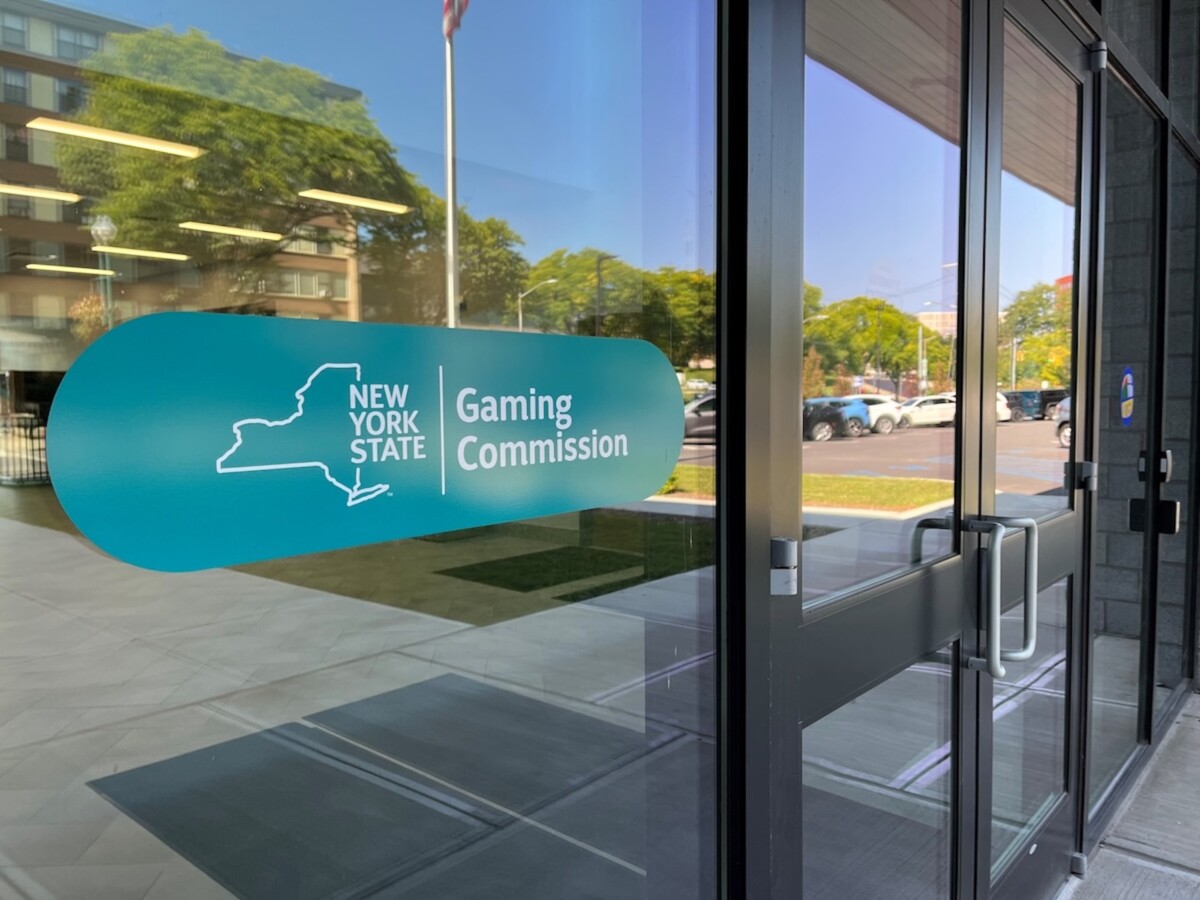
Read Full BioThe New York State Gaming Commission (NYSGC) has sent a formal notice to sports leagues across the country, informing them that it is taking another look at the state’s authorized wagering menu in response to concerns about sports integrity. The decision comes as recent betting scandals involving the NBA, MLB, and the NCAA have put the industry’s betting markets under the microscope, especially player prop bets and same-game player parlays.
In a letter dated February 4, 2026, addressed to leaders of all participating leagues, the NYSGC said it is reviewing “all individual player proposition wagers that are game specific, as well as single game specific multi-leg individual player parlays.”
Unlike in many other jurisdictions, where operators control much of what appears on the wagering menu, New York’s regulatory body has the authority to limit or exclude wagers it considers to be “contrary to public policy.” While the Commission says that many of the most problematic bets are already banned in the state, it’s prepared to go further.
“If our review requires the outright elimination of certain bets, the Gaming Commission will use its regulatory authority to prohibit them,” the state’s gaming commissioners wrote in the letter, emphasizing the careful approach it’s taking to maintain public confidence in the integrity of sports betting.
Regulators Encourage Leagues to Use Existing Legal Tools
The NYSGC is calling on major sports leagues, including the NCAA, MLB, NFL, and NBA, to take an active role in defining which types of bets should be allowed on sportsbooks’ wagering menus. While New York law already gives leagues the ability to ask the commission to restrict or exclude certain wagers, the NYSGC says they haven’t received a single request from any of the leagues.
The Commission made clear it wants leagues to take advantage of these options, writing “we strongly encourage – and expect – each of your leagues to avail yourselves of this tool, should you have a reasonable belief that such a restriction, exclusion, or limitation would improve wagering integrity.”
In an effort to accelerate the process, the NYSGC is accepting email requests and has promised to “act with alacrity,” even though regulations give them up to 60 days to respond.
Besides policy changes, the NYSGC letter reminded leagues that mobile sports wagering data has proven to be a powerful investigative tool, given the information users must provide when opening an account. The commission explained: “These breadcrumbs may be readily found by integrity monitors, regulators, law enforcement, and others.”
National Momentum vs. Local Resistance
The NYSGC’s letter is the latest development in the wide-ranging debate over how to handle micro-betting and player props, wagering types that most agree are especially susceptible to manipulation. The Commission said recent actions by the NCAA and MLB were “positive steps” toward reform.
- NCAA’s National Push: Following a sweeping point-shaving indictment that implicated several student-athletes, NCAA president Charlie Baker called for state regulators to eliminate individual player props, citing a “significant increase” in reports of student-athletes facing harassment from bettors. The NCAA argues that these bets, such as “first half unders,” are prime targets for “spot-fixing” because a single player can influence them without affecting the overall game outcome.
- MLB’s Micro-Bet Limits: Major League Baseball recently worked with its sportsbook partners to cap wagers on pitch-level markets (e.g., ball/strike, pitch velocity) at $200 and exclude them from parlays. Commissioner Robert D. Manfred, Jr. noted that these markets are “particularly vulnerable to integrity concerns.”
However, not all regulators are on the same page. In late January, the Missouri Gaming Commission (MGC) formally rejected the NCAA’s request to ban player props. The state launched sports betting in December 2025 and argued that the market was too new to implement the NCAA’s requested changes. MGC Chair Jan Zimmerman said she didn’t “have enough information” to justify the ban at this time.