









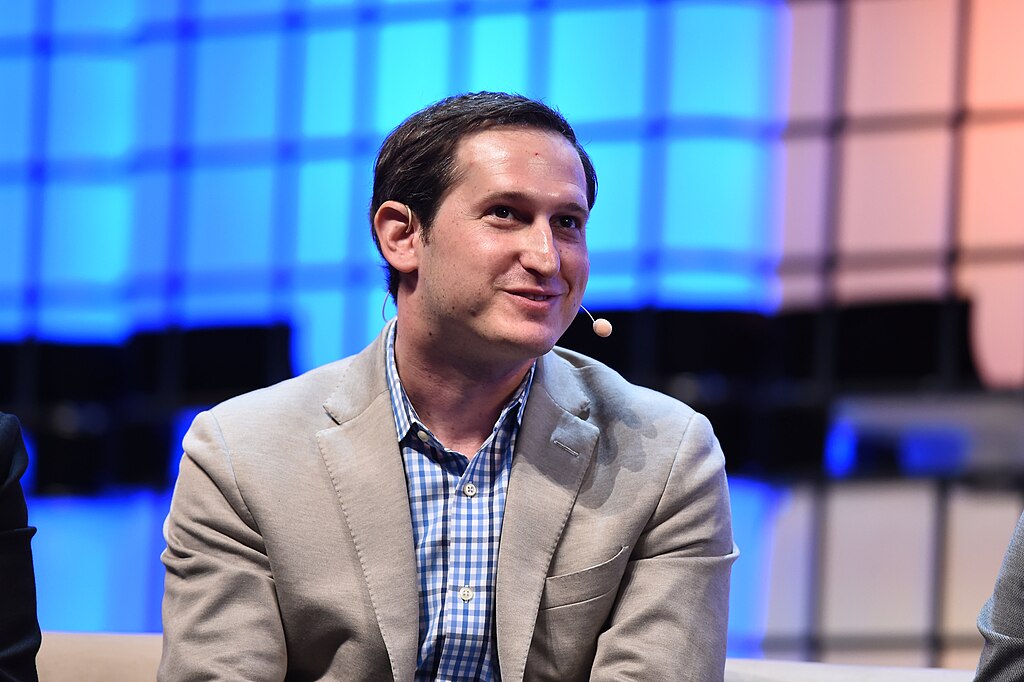

Lynnae Williams Journalist
Lynnae is a journalist covering the intersection of technology, culture, and gambling. She has more than five years of experience as a writer and editor, with bylines at SlashGear and MakeUseOf. On the iGaming side,...
Read Full BioDraftKings CEO Jason Robins pushed back hard against growing calls to ban prop bets in response to a run of high-profile betting scandals in professional and collegiate sports. In an interview with Front Office Sports on February 6, Robins said the “jumping to ‘let’s ban it’ response is crazy” and “absolutely not the right answer.”
Instead, a ban on prop bets would prompt bettors to turn to unregulated offshore markets, creating “bigger problems long term.” Robins argued that the legal, regulated framework that’s in place today is actually working as intended and has identified and addressed rule violations rather than allowing them to happen in the shadows.
A better approach would be to tighten guardrails around the riskiest bet types, rather than wiping out props altogether, the CEO said.
Integrity Through Regulation, Not Prohibition
The debate over whether prop bets should have a place in legal wagering menus intensified following the indictments of a series of professional athletes, including the NBA’s Terry Rozier and Guardians pitchers Luis Ortiz and Emmanuel Clase, as well as a point-shaving case that spanned the Chinese Basketball Association and the NCAA.
Critics have repeatedly argued that these micro-markets create too great an incentive for manipulation; however, Robins says that the fact that these violations were discovered proves that the oversight system is working.
He pointed to the proactive steps DraftKings has taken to protect game integrity:
- Market Removal: The company no longer accepts bets on turnovers, which Robins noted adds little to the customer experience.
- Limiting Micro-Betting: Limits have been placed on pitch-by-pitch betting to reduce the incentive to cheat.
- Under Bets: The company has removed “under” bets on many player props, as they were unpopular with consumers and disliked by leagues.
- League Collaboration: DraftKings continues to work with major leagues to identify and remove high-risk prop options.
Robins warned that an outright ban would strip away these protections and shift the volume to the black market, where these integrity-monitoring tools don’t exist.
The talk of banning prop bets isn’t simply a theoretical exercise. NCAA President Charlie Baker has called for a nationwide ban on college player prop bets, and Ohio has implemented a total ban on collegiate player-specific prop bets. While the state has no outright ban on professional micro-prop bets, it has capped micro bets at $200 in the wake of the Clase-Ortiz indictments.
Tapping Into Prediction Market Opportunity
Robins’ comments on prop bets come as DraftKings is aggressively moving into the prediction market space. On February 6, the sportsbook announced that it had partnered with Crypto.com and added player-specific sports event contracts to its DraftKings Predictions app. These contracts let users trade on outcomes like a quarterback’s passing yards.
Unlike traditional sportsbooks, prediction markets are federally regulated by the Commodity Futures Trading Commission, a status that has allowed them to reach users in states where online sports betting is still illegal, such as California, Texas, and Georgia.
Robins also touched on whether he’d rather “build or buy” his way to the top of the sector. While rivals like Kalshi and Polymarket are drawing headlines, Robins says their “huge valuations” make them too expensive to acquire right now. However, he expressed confidence in DraftKings’ ability to compete by repurposing its core sportsbook infrastructure for the prediction market space.