

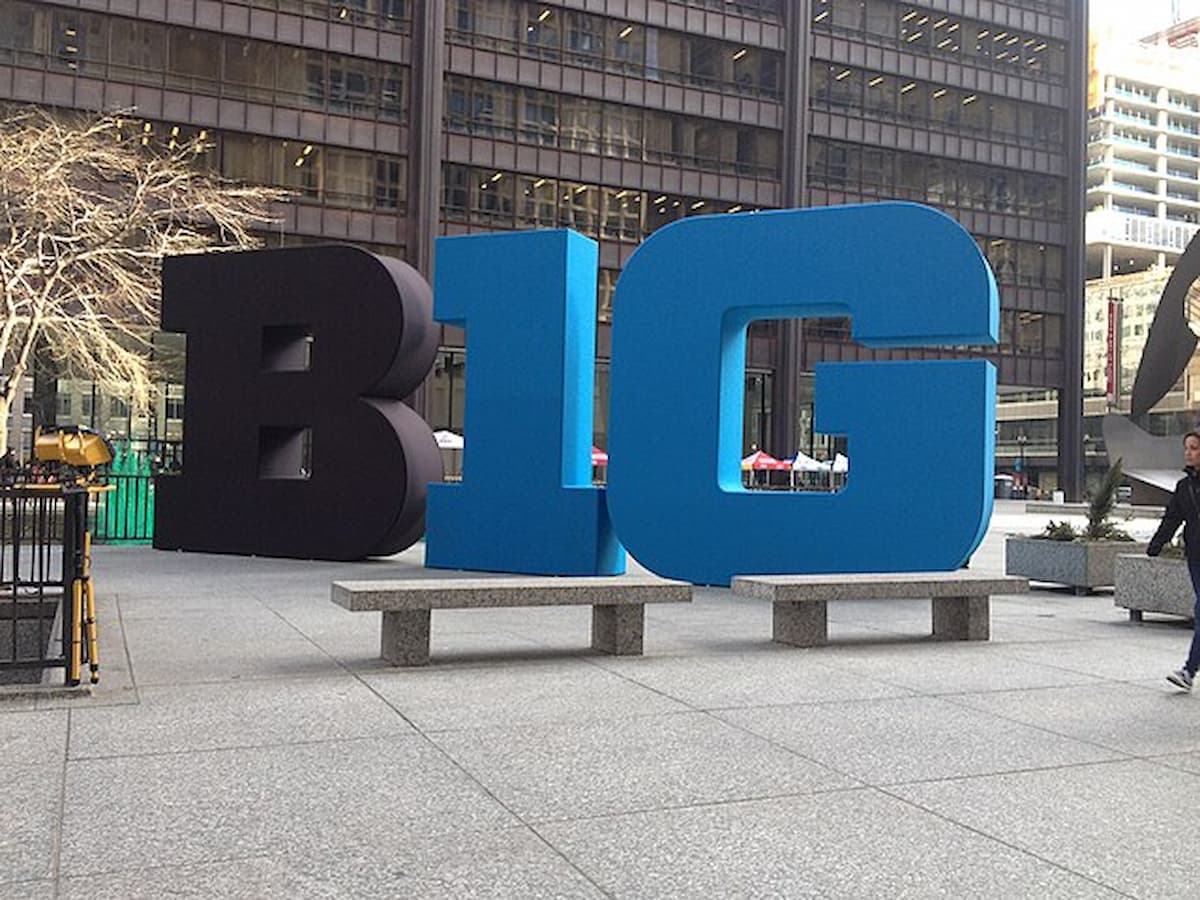
The Big Ten Student-Athlete Issues Commission has written a letter to NCAA President Charlie Baker, expressing concern that prop betting poses an integrity risk to college sports.
In the letter, the students write, “One major concern is the threat prop betting poses to the integrity of college sports. When bets are tied to individual statistics or plays, it creates pressure and suspicion around student-athletes’ performance.“
“Even when no wrongdoing occurs, prop betting can raise doubts about effort, decision-making, and fairness. This damages trust in competition and puts student-athletes in a vulnerable position.”
It ends by advocating for restrictions on the markets, adding, “Limiting or eliminating prop betting on college athletes would be a meaningful step toward reducing harassment, protecting mental well-being, and preserving the integrity of college competition.”
In total, 22 student-athletes signed the letter from 18 institutions.
Player Abuse Continues
The letter cites concerns that the availability of prop betting markets on college sports opens up athletes to online abuse. It states, “There are fans that sit behind the bench yelling horrible things when expectations are not met, and the keyboard warriors not in attendance send cruel DMs to players when bets do not cash out.”
A new report claimed that 46% of Division I men’s basketball student-athletes received negative or threatening messages from individuals who had bet on their games.
Baker, to whom the letter is addressed, has already been a vocal opponent of prop betting, citing concerns that it increases the abuse of athletes.
In response to the report, he stated, “The level of social media harassment our student-athletes must endure is unacceptable. These percentages are a reflection of the increased popularity of betting on college sports across the country and the negative environment it has created. We must continue to do everything we can to protect athletes from this type of behavior and preserve the integrity of college sports.”
Baker Campaigns for Prop Bet Ban
The NCAA President has already been campaigning for sportsbooks to stop offering college prop markets. Last month, following the arrest of several college players in a point-shaving scandal, he reiterated his calls for a ban on bets based on individual performances.
Some states have listened. Louisiana, Maryland, Ohio, and Vermont have moved to restrict or ban college prop bets since 2024. Last week, however, the Missouri Gaming Commission (MGC) formally denied the NCAA’s request to restrict the markets.
MGC Chair Jan Zimmerman stated, “I just don’t feel that I have enough information to grant a request by the NCAA to prohibit this type of sports wagering because I don’t know enough yet.”
Is Banning Prop Bets the Answer?
In the point-shaving scheme, many of the wagers were placed on spread markets, rather than prop bets. While many have supported calls for limits on prop betting, few have advocated for a complete ban on college sports betting, which attracts high volumes of betting, particularly during popular events such as March Madness.
Opponents of banning bets argue that it will drive users to unregulated gambling platforms. Prediction market platforms have begun offering a wide range of college markets, something which Baker has also opposed.
The NCAA already prohibits players, coaches, and athletic department staff members from betting. Yet, the practice continues. Whether it is on regulated sportsbooks, prediction markets, offshore sites, or illegal bookies, there is a high demand to wager on college sports.
Economist David Forrest argues that having more betting in the legal sector helps mitigate fixing. Having bets in the regulated market can allow regulators to spot anomalies and catch students or bettors who are breaking the rules.
If betting only becomes available in the illegal market, it can also lead to criminal groups profiting. In New Jersey last year, a Mafia-led illegal betting operation was found to be targeting college campuses.
The letter to Baker is likely to ramp up his and the NCAA’s efforts to pressure sportsbooks and lawmakers to restrict bets, but it remains unclear whether prohibition is the answer.