









Lynnae Williams Journalist
Lynnae is a journalist covering the intersection of technology, culture, and gambling. She has more than five years of experience as a writer and editor, with bylines at SlashGear and MakeUseOf. On the iGaming side,...
Read Full BioIn the days following the Super Bowl, every year, seemingly without fail, betting headlines follow a familiar script: record handle, billions wagered, unprecedented engagement. But inside sportsbooks, it’s a different story.
The game’s value isn’t measured so much by the amount of money that flows through sportsbooks on Sunday. Instead, it’s measured by who shows up and, even more importantly, by who comes back once the novelty of the big game wears off.
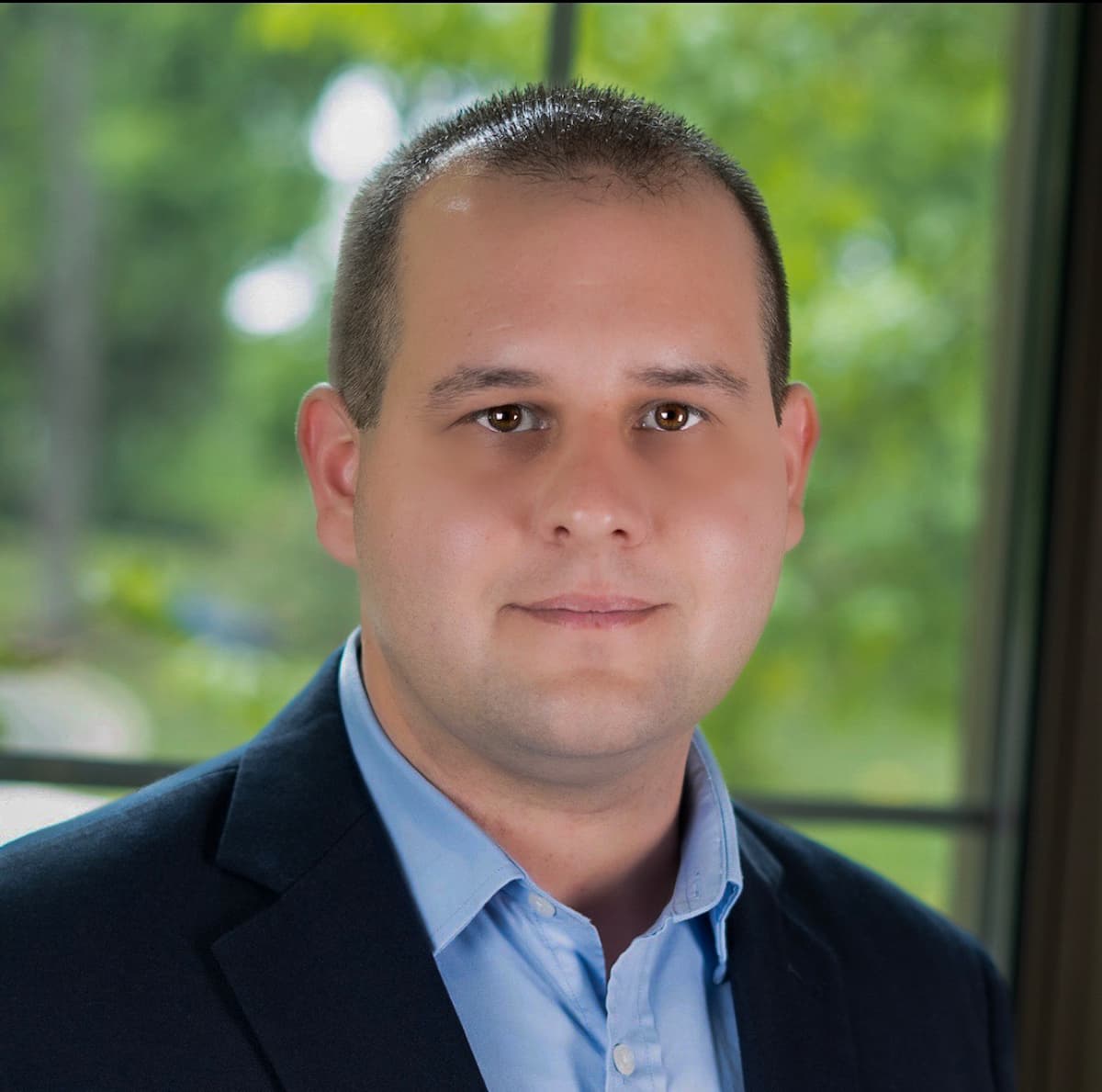
To get a better understanding of what Super Bowl Sunday numbers actually mean inside a sportsbook, CasinoBeats spoke to Matthew Bakowicz, director of the Sports Management Program at American University’s Kogod School of Business.
Before moving into academia, Bakowicz managed sportsbook operations for DraftKings at Foxwoods Resort Casino, where he oversaw hundreds of millions of dollars in wagers and handled risk management, customer behavior analysis, and regulatory compliance.
After working on both retail sportsbook floors and live trading operations, Bakowicz says the Super Bowl functions less as a one-day revenue bonanza and more as the industry’s single biggest customer-recruitment experiment.
“It’s not so much the volume of money,” he said. “Everybody covered how much money went through. What they don’t see is how many opportunities and things there are to bet on.”
And there are literally thousands of prop bets available on Super Bowl Sunday compared to only a few hundred for a typical NFL game. For operators, that massive prop menu is less about chasing a single-night handle number and more about identifying who showed up, what they bet on, and whether they’ll come back after the game is over.
Very Different Kind of Bettor
Americans know the Super Bowl is much more than a football game; outside of the holidays, it’s arguably the most significant cultural event of the year, and betting is very much a part of that. What that means for operators is that the bettors they see on Super Bowl Sunday look nothing like those they see on a typical NFL game day.
Bakowicz pointed out that the difference isn’t just scale, it’s the audience as well. “But the big thing is, it’s the type of person that comes across the counter, or that’s on the app, it’s the casual fan,” he said.
He went on to compare the Super Bowl to the Kentucky Derby, another event that attracts bettors who typically might not even think about placing a bet at a sportsbook.
“I kind of say the Kentucky Derby is the one day of the year where America pays attention to horse racing, and you’ll have casual fans that just pick things like, ‘I like number eight, I like the name. I think that horse looks good.’ The Super Bowl is very similar,” he said.
Casual bettors come out of the woodwork for the Super Bowl because, for many, that game is less about what they know about football and more about social participation. People who don’t tune into football at any other time of the year participate in Super Bowl parties, eat the food, and watch the commercials. Super Bowl Sunday has become a shared ritual for many Americans, and betting has become part of it.
“The real big reason behind that is it’s a social phenomenon. The Super Bowl is much bigger than a football game. It’s a social event,” Bakowicz said. “And it’s the age-old saying, no one wants to feel left out.”
That dynamic creates a very different interaction at the sportsbook counter.
“It’s really the casual fan comes to the counter, and operators have to be a little more patient, because they don’t know the lingo. They don’t know the messaging. It’s a very big customer service conversation, as opposed to your traditional sportsbook day, where it’s: ‘I need $500 on the Patriots at minus seven, parlayed with the over at 44 and a half, click, click. Done,’” he said. “Instead, it’s ‘what can I bet on,’ which is always a fun question, because there are thousands of things you can bet on for a particular game.”
Why Handle Isn’t the Real Goal
When speaking about the Super Bowl, many sportsbooks tout the handle because it’s easy to measure and understand. Internally, Bakowicz says, those numbers are expected and far less important than what comes next.
“Everybody knows that there’s going to be a record handle. It’s again, the highest single entity bet on every single year in the world,” he said.
He says the real focus of sportsbooks is their return on investment (ROI), not from the actual event, but from the bettors they attract.
“What sportsbooks really want is the customer to come back, right? Those are the people that you now want to engage with,” Bakowicz said. “Are they returning for March Madness, for the start of Major League Baseball season, or the continuation of the NFL season?”
“The Super Bowl is the biggest recruiting day for sportsbooks,” Bakowicz said. “The real big stat that everybody really should pay attention to and companies really want to know is, what’s my ROI… from a player that placed that wager at the beginning of the game, and whether or not they stay through March Madness, through baseball season, through the NFL.”
While many might assume sportsbooks are raking in money day after day, Bakowicz explains that the business actually runs on a high-volume, low-margin model that is surprisingly similar to a neighborhood supermarket.
“Most bets only yield about a 4% to 5% rate of return,” he said. “It’s very similar to a grocery store model. Grocery stores operate with razor-thin margins, sometimes 1 to 2%…the only way that a grocery store stays profitable is if people keep coming back to buy. Coming back to buy food…same thing with a sportsbook.”
Faced with a choice between record handle and long-term retention, Bakowicz says the decision is easy.
“They would take a lower handle, but a constant flow of return betters and return individuals over a longer period of time, any day, over a record-setting handle,” he said. “It’s about who’s there? Not so much on Super Bowl Sunday, but on a Tuesday in the middle of March, on a Wednesday in the middle of July. That’s the number they’re really after.”
Prop Bets Serve as Entry Point
One of the clearest ways sportsbooks pull casual bettors into the ecosystem is through prop bets. While a typical NFL game might feature 200 to 300 props, the Super Bowl offers anywhere from 1,000 to 1,500.
“You’re talking about everything from who scores the first touchdown to the color of the Gatorade,” Bakowicz said. “Some of these bets have nothing to do with football.”
Those novelty markets, he says, are intentional.
“They bring a casual fan in that knows nothing about football, because the wagering option is so outside of the actual sport,” he said. “You don’t need football knowledge to bet on the coin toss or the national anthem.”
Whether those bettors convert into regular customers often depends on one key factor: winning.
“Does that prop bet hit? Statistically, winning yields a higher rate of return for customers,” Bakowicz said. “If the customer hits that prop bet, they’re more than likely to come back multiple times.”
But even losing bets can still serve a purpose.
“In short, the prop bet sort of opens the door, and you’re kind of flooded with information and other opportunities to continue to wager,” he said. Push notifications, emails, and bonus offers quickly follow, encouraging bettors to try other markets.
Live Betting & Constant Engagement
Bakowicz says his perspective on micro-markets comes from seeing both sides of the business, not only retail operations, but the trading-floor mechanics behind live betting.
“I spent three and a half years managing the DraftKings sportsbook, but was also on the trading team with Simplebet, which got acquired by DraftKings, that was micro market betting in its infancy,” he said. “So I was with that startup for another three years as well.”
Beyond pre-game props, in-game betting and micro-markets that keep bettors engaged from kickoff to the final whistle have also become a big part of the Super Bowl.
“When the game started, the sportsbook was closed,” Bakowicz said. “What micro markets did was they expanded the betting platform to be operational throughout the game. It keeps you engaged.”
That constant engagement can also lead to problems when information leaks. Bakowicz pointed to what he called a “fun controversy” this year involving the color of Gatorade that would be dumped on the coach.
“At about the 3-minute mark during the Super Bowl, it was revealed that it was the yellow Gatorade as they were mixing it up, getting it ready,” he said. “And Mike Tirico went up [on the broadcast], they’re getting the Gatorade bath ready. That bet was still available, and sportsbooks had to scramble to get that voided because the answer was now available for the general public.”
From an operator’s perspective, that type of engagement is the goal. “The more engagement, the more money being invested, the higher the profits for the company,” Bakowicz said.
Real Battle Starts Monday
While Super Bowl Sunday will always get the most headlines, the important work happens immediately after the game ends. The day after the Super Bowl is famously quiet, but Bakowicz explained that behind the scenes, the industry flips the switch to a new strategy.
“Moving forward, it’s a very big marketing blitz. The morning after the Super Bowl. It’s ‘Hey, Super Bowl Sunday’s over. But here are five games that are available. Here’s a push notification about a game on Wednesday.’”
Marketing, Bakowicz notes, is the biggest expense for sportsbooks, and loyalty is far from guaranteed.
“One thing about a sportsbook customer, they’re not very loyal to a particular company,” he said. “They’re looking for the best deal and the best line… they jump around from spot to spot and try to find the best value.”
What that means for sportsbooks is that keeping customers isn’t necessarily easy. If they stop offering a particular promotion or bonus to a customer, that person may just walk. Sportsbooks have to find a balance to retain loyal customers. As Bakowicz said, these customers expect a “consistent high standard across the board, no matter what.”
Industry Still Taking Shape
With increased scrutiny around player props and betting integrity, Bakowicz says the Super Bowl betting model is far from settled.
“Sports betting really only got legalized in 2018 and is really not even fully developed yet,” he said. “So, it’s way too early to really say this model works… We’ll be looking at a completely different model five years from now.”
That evolution, Bakowicz explained, is likely to include prediction markets. “Prediction markets will continue. But it’s very clear… regulation is going to be stepping in,” Bakowicz said.
Still, he doesn’t see the category fading. “One thing I’ve learned about in business, companies don’t adopt the ideas of another company unless they’re working really well… DraftKings and FanDuel and then Robinhood [have] all adopted prediction markets.”
For Bakowicz, the industry’s rapid expansion into these new markets is proof that it’s still finding its footing. The Super Bowl may be the biggest day on the betting calendar, but the rules of the game, and what fans are allowed to bet on, are still being written.
What Sportsbooks Still Get Wrong
If Bakowicz were advising a sportsbook CEO today, his message would be simple: stop obsessing over the Sunday night handle.
“Don’t focus on handle. Don’t focus on win or loss. Don’t focus on how much money we took in,” he said. “It’s who came through the counter, and how quickly can we direct our marketing team to engage those individuals?”
A small fraction of bettors, he noted, drive the majority of wagering volume, making the “recruitment” aspect of the Super Bowl even more important.
“95% of business in some sportsbooks comes from 1% to 2% of their clientele,” Bakowicz said. “Attracting those individuals is critical for long-term success. So don’t focus so much on what happened on Sunday. Focus on who was part of that Sunday event and how we can keep them involved and engaged in the sportsbook mentality and mindset.”