

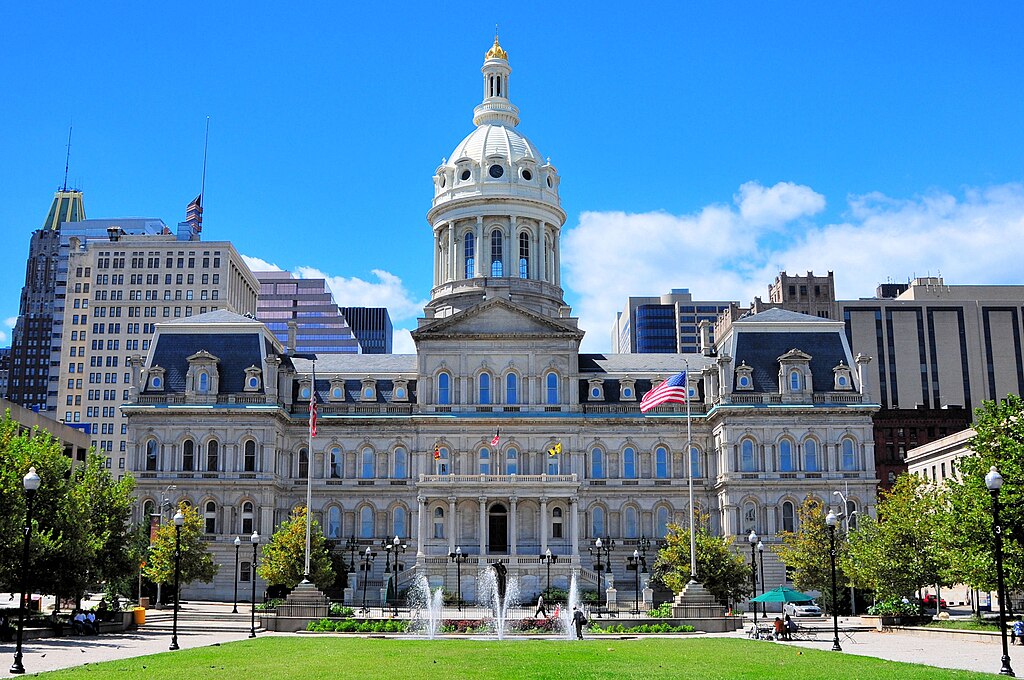
Baltimore has filed suit against some of the biggest names in the sweepstakes casino space: VGW, Stake.us, McLuck, Pulsz, High 5, and Blazesoft. In the complaint filed on March 4 in the Circuit Court for Baltimore City, City Solicitor Ebony Thompson and the Baltimore City Law Department accuse the defendants of operating “illegal gambling enterprises” in violation of local consumer protection law.
The lawsuit seeks civil penalties, restitution, injunctive relief, and disgorgement of what it describes as “ill-gotten gains.” The city’s argument is blunt: the defendants aren’t running harmless “social casinos” but real gambling products where a dual-currency system is used to hide what Baltimore says is the equivalent of illegal online casino gambling under Maryland’s laws.
On these platforms, users can buy virtual currency, receive “sweeps coins” as a bonus, and use those coins to play casino-style games for prizes that are redeemable for cash or cryptocurrency. According to the city, this meets the very definition of gambling, which it says includes three elements: “consideration (payment), chance (random game outcomes), and prize (cash redemption).”
The lawsuit also takes issue with how these platforms are presented to consumers, alleging that they borrow some of the same mechanics used in popular mobile games marketed to young people.
“They wrap these gambling products in colorful, cartoonish packaging—animated characters, spinning treasure chests, and ‘leveling up’ mechanics—drawn directly from the mobile games popular with children and adolescents,” Baltimore alleges in the complaint.
The city says it doesn’t end there. After packaging the games in a kid-friendly design, the operators promote the casinos through influencers, celebrity endorsements, and platforms like TikTok and YouTube. The complaint says the model is “an illegal gambling operation dressed up as a children’s game.”
Baltimore Says Sweepstakes Labels Hide Illegal Casino Gambling
In the complaint, the city writes that online casino gambling has never been legal in Maryland and says the games offered by sweepstakes casinos are the same as those found in regulated casinos, including slots, blackjack, poker, and roulette, but without the safeguards required of legal operators.
Baltimore takes issue with what it calls the defendants’ deceptive marketing practices, which allegedly include advertising “free games,” “social entertainment,” and “sweepstakes.” The platforms are really “illegal gambling operations that can and do result in significant financial losses,” the lawsuit alleges.
When users don’t spend money on these platforms, the city says they receive only a “trickle of coins,” which isn’t enough for them to play the games for an extended period. However, when a user pays for gold coin packages, they have many more opportunities to play and win. The city says this setup undermines the claim that these are legitimate sweepstakes promotions rather than gambling products.
The lawsuit further alleges that the platforms don’t provide adequate consumer protections, which Maryland requires for licensed casinos operating in the state. The city says that sweepstakes casinos don’t use age-verification systems or other safeguards required by Maryland’s regulatory framework.
By failing to do so, the city says, “Defendants’ actions demonstrate a callous disregard not only for the rule of law, but also for the public health, safety, and well-being of Baltimore consumers.”
The lawsuit also argues that, unlike licensed gambling operators, “social casinos contribute nothing” to tax revenue or treatment programs, even as the social costs fall on Baltimore families and public services.
This isn’t the first time Baltimore has called out a gambling operator for its lack of consumer protections. In April 2025, the city filed a lawsuit against FanDuel and DraftKings, alleging the sportsbooks “hook users and then use troves of user data to identify, target, and exploit the most vulnerable among them.”
Pressure on Sweepstakes Casinos Keeps Growing
In a post on X, sports betting and gaming lawyer Daniel Wallach says the Baltimore lawsuit is “the second state civil enforcement action brought by a governmental entity against sweepstakes casino operators.” The first was the Los Angeles City Attorney’s civil suit against Stake.us and related defendants in August 2025.
The Baltimore lawsuit lands as multiple states turn up the pressure on sweepstakes gaming. In Indiana, lawmakers passed HB 1052, which includes an explicit ban on dual-currency platforms. The bill was sent to Governor Mike Braun on February 27, 2026, and is set to take effect on July 1, 2026.
As states around the country consider legislation to ban sweepstakes casinos, some industry leaders warn that outright prohibition could be counterproductive.
In an interview with CasinoBeats, ARB Interactive CEO Patrick Fechtmeyer said banning the sector wouldn’t eliminate demand. “It’s not really a question of, ‘We ban this industry, and it’s going to go away,’” he said. “It’s, ‘Where does that money shift to? How do you capture that?’”
However, Baltimore is clearly siding with the enforcers, not the reformers. Its complaint argues that these platforms don’t exist in a regulatory gray area. Instead, they are unlawful gambling businesses already operating inside the city.