


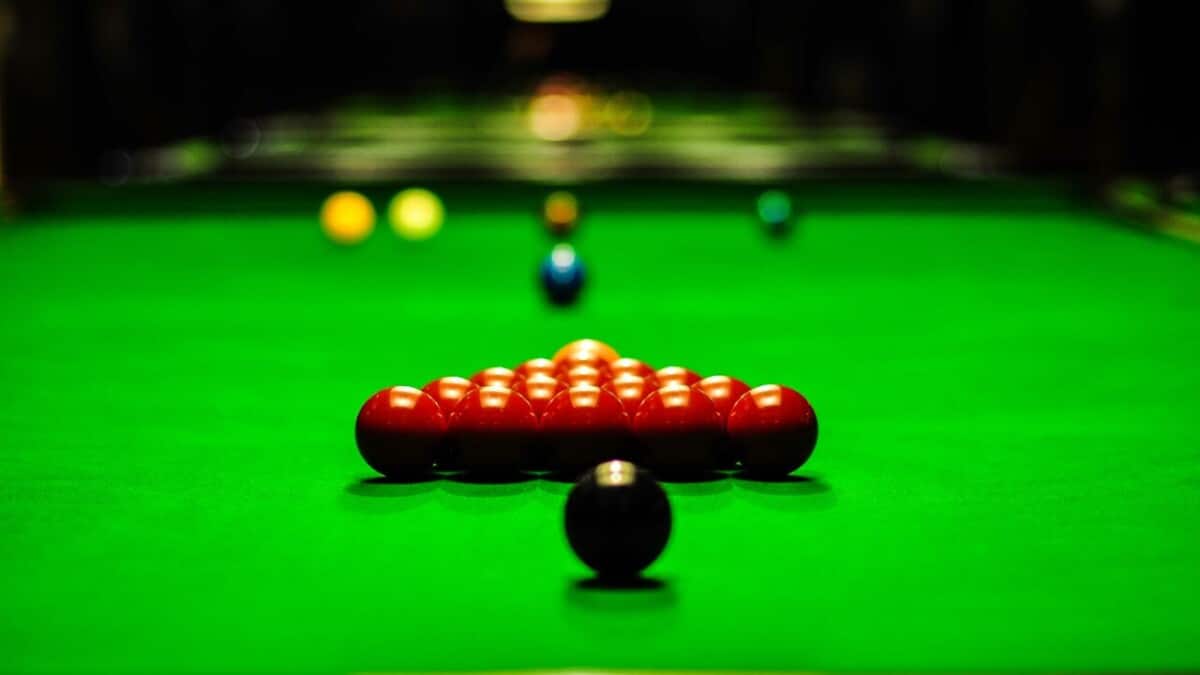
Top Thai anti-gambling activists back a campaign to remove gambling-related stigma from snooker, but some warn that legal reforms may be counter-productive.
Snooker is currently enjoying a renaissance in Thailand. This is largely due to the success of the Thai player Thepchaiya Un-Nooh.
Un-Nooh won the World Open tournament in China last month.
The Thai star beat Ronnie O’Sullivan, one of snooker’s biggest names, in the final. In late March, the Thai star added his voice to a campaign to remove snooker from the Gambling Act.
Under the act, snooker is classified as a “gambling-like activity,” not a sport. That means most under-18s cannot play, and smaller clubs cannot obtain special operating permits.
Snooker: Gambling Classification Challenges
The Sports Authority of Thailand (SAT), the top Thai sports body, last month called on the government to amend the act.
The Gambling Act dates back to the mid-1930s.
Snooker qualifies as a sport by virtue of being a skill-based activity with clear rules, said Wasin Pipatnachat, a lawyer and manager at the Public Health Network for Managing Health Risk Factors, according to the Thai media outlet Nation TV.
But, Pipatnachat said, the problem lies in the fact that players and spectators often place bets on the outcome of snooker games.
The lawyer said that if the government wants to treat snooker as a sport, all forms of snooker-related betting should be stamped out.
He said this would involve the launch of new “legal mechanisms.” These would “prevent the misuse of snooker for gambling purposes,” he added.
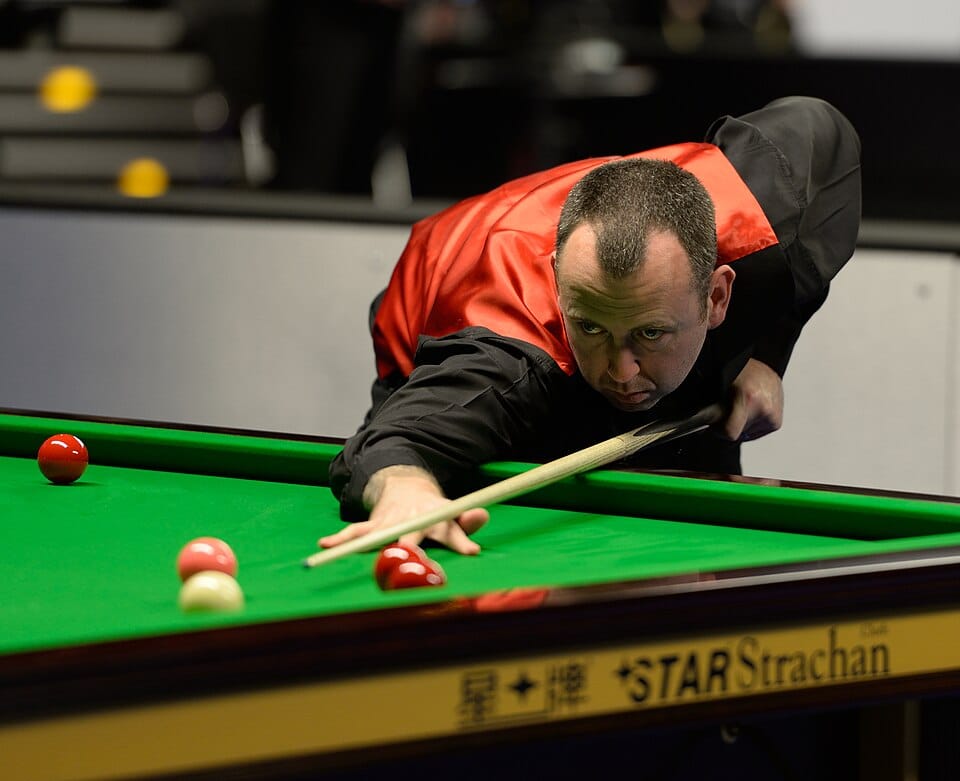
All Parties Must Agree, Urges Anti-Gambling Activist
Thanakorn Komkrit, the Secretary-General of the Anti-Gambling Foundation, said he backed the idea of reclassifying snooker as a sport.
But, he mused: “The question is: ‘What has historically bound snooker to gambling?’”
Komkrit proposed a meeting of “all relevant parties.” He said the meeting should include the Ministry of Interior, the Ministry of Sports, the Sports Authority of Thailand, the Snooker Association, snooker pros, and the Ministry of Social Development and Human Security.
“They should discuss the legal obstacles that are hindering the process. And they should find ways to remove them,” said the foundation chief.
Komkrit said a ministerial order was preferable to a legal amendment. He said legislation could “potentially turn a smaller issue into a major one.”
“The Gambling Act is linked to numerous forms of gambling, perhaps hundreds, and amending it would involve overcoming many hurdles,” he explained. “Many countries have a clear separation between sports and gambling. If it’s a sport, snooker must be registered as a club or sports promotion institution with clear regulations prohibiting gambling, and no age restrictions for minors.”
Thanakorn said the government should also “reconsider whether the oversight of gambling should remain with the existing agencies or if a new agency should handle it.”
In March, Thai police said they had “dismantled” the Eu9thaff gambling portal. Officers said they arrested eight people and froze bank accounts they say the platform operators used to launder funds.
Detectives also seized cell phones and narcotics during a series of raids.