

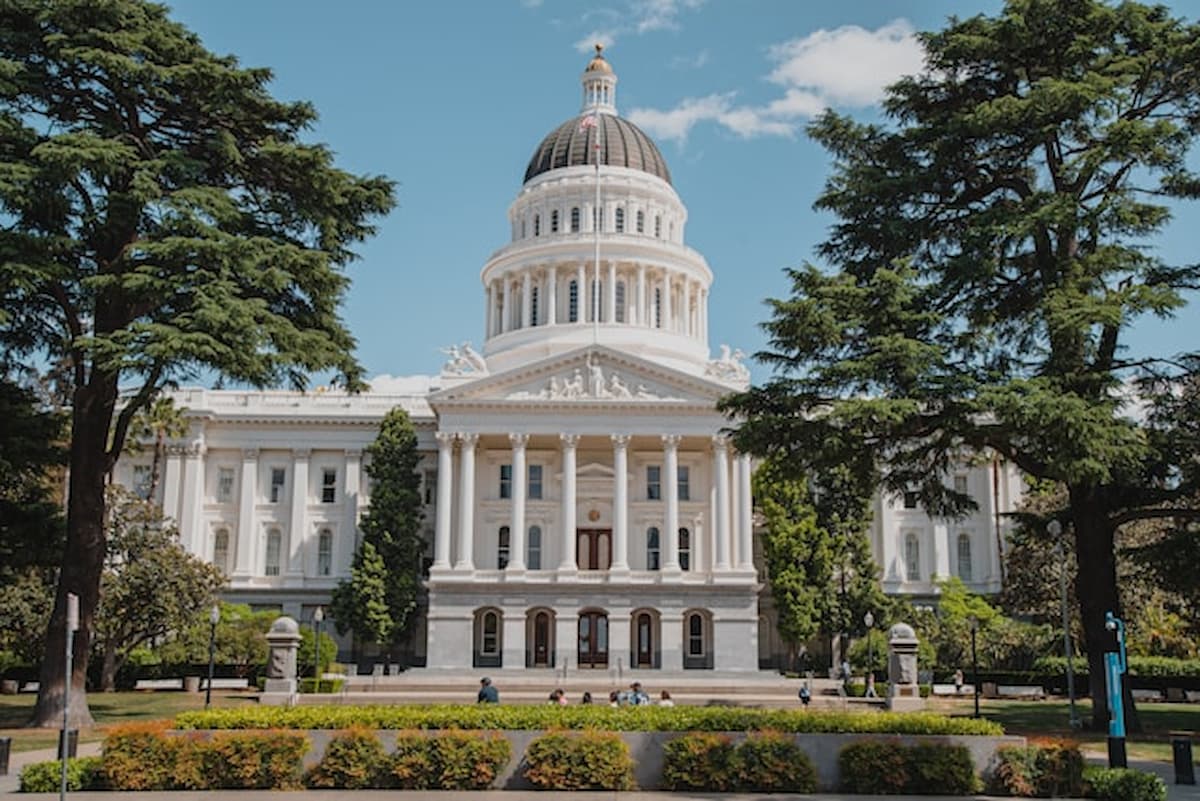
California lawmakers moved closer to banning sweepstakes casinos this week; however, the measure’s future remains uncertain. On August 18, the Senate Appropriations Committee unanimously advanced Assembly Bill 831 (AB 831), only to place it immediately into the chamber’s Suspense File. In this procedural limbo, many controversial or costly bills quietly die.
At the same time, VGW, parent of Chumba Casino, LuckyLand Slots, and Global Poker, announced a landmark partnership with the Kletsel Dehe Wintun Nation of the Cortina Rancheria tribe, a federally recognized Indian tribe in California.
The agreement involves the Kletsel Economic Development Authority (KEDA), the tribe’s economic development arm, which, in collaboration with VGW, would operate “free-to-play online social gaming platforms” in the state.
The partnership is significant for VGW, as it gives the operator a powerful ally in the fight against the ban. VGW has already joined forces with several high-profile organizations, including the American Civil Liberties Union, in its campaign against AB 831.
What AB 831 Would Do
The bill, sponsored by Assemblymember Avelino Valencia, seeks to criminalize online platforms that use a dual-currency model. These platforms allow players to buy virtual coins and receive bonus sweepstakes entries, which can be redeemed for cash prizes.
Under AB 831, those operating, facilitating, and advertising the platforms face a misdemeanor offense charge. Penalties include up to one year in jail and fines up to $25,000.
The measure cleared the Senate Governmental Organization Committee on July 8, but has faced criticism from some lawmakers. They’ve raised questions over its transparency, legal reach, and potential unintended consequences.
They also questioned the urgency of AB 831, especially as the sweepstakes provisions were inserted into an unrelated tribal gaming bill, a “gut-and-amend” approach.
How the Suspense File Works
The Suspense File is a unique part of California’s budget process. Any bill projected to cost the state more than $50,000 from the General Fund, or more than $150,000 from a special fund, gets placed in this file.
After that, the Appropriations Committee holds a special “Suspense Day.” That is a rapid-fire session where lawmakers decide which bills to advance and which to hold for further consideration.
If the committee advances AB 831 on Suspense Day, it heads to the Senate floor for a vote. If it does not, the bill dies in committee, killing the effort to ban sweepstakes casinos. The committee has a meeting on August 25, which will likely be Suspense Day.
In practice, the Suspense File has become a legislative graveyard. It allows committees to quietly kill expensive or controversial bills without a public floor debate.
Tribes Divided on Bill
More than 50 California tribes back AB 831 as part of a broader campaign to protect their exclusive rights to regulated gambling.
They have also pressed hard to limit other forms of non-tribal gambling. That includes daily fantasy sports, cardrooms, and even prediction markets such as Kalshi.
These tribes argue that sweepstakes casinos and other unregulated gambling undermine both consumer protection and their exclusivity. Yet not all agree.
The Kletsel Dehe Wintun Nation has broken ranks and now stands alongside VGW and the bill’s opponents. On August 7, KEDA sent a letter to the Senate Appropriations Committee stating its opposition to AB 831.
“This bill lacks unanimous support among California tribes, has advanced without meaningful consultation with many of us, and threatens our inherent right to create legitimate revenue streams to support our people,” the letter states.
“For tribes like ours—far from high‑traffic tourism corridors—geography has always limited traditional economic development. Large, well‑established gaming tribes already benefit from these geographic advantages and decades of success.”
“It is self‑serving for them to advocate for policies that restrict emerging digital commerce opportunities for others, effectively holding smaller and less‑advantaged tribes hostage to their location.”
The letter went on to argue that digital platforms (such as sweepstakes casinos) offer one of the few viable means for geographically isolated tribes to fund essential services. They include healthcare, education, and housing.
VGW and Kletsel Dehe Partnership
Both VGW and KEDA described the partnership as “landmark.” VGW gains a stronger foothold and legitimacy in California. Meanwhile, the Kletsel Dehe Wintun Nation would receive a new channel to fund healthcare, housing, and education.
VGW’s founder and CEO, Laurence Escalante, who is set to take complete control of the company, framed the deal as a reflection of the company’s values.
He added that as the company has grown, public scrutiny has increased, and VGW takes social responsibility seriously. Escalante also welcomed KEDA’s opposition to AB 831, arguing that California should pursue regulation.
Industry advocates echoed the economic case. According to the Social Gaming Leadership Alliance, a trade group that counts VGW as a member:
“Social casinos [within the] sweepstakes industry generate more than $1bln in combined direct and indirect benefit to California annually,” and there are “additional opportunities to capture increased economic value … via regulation.”