

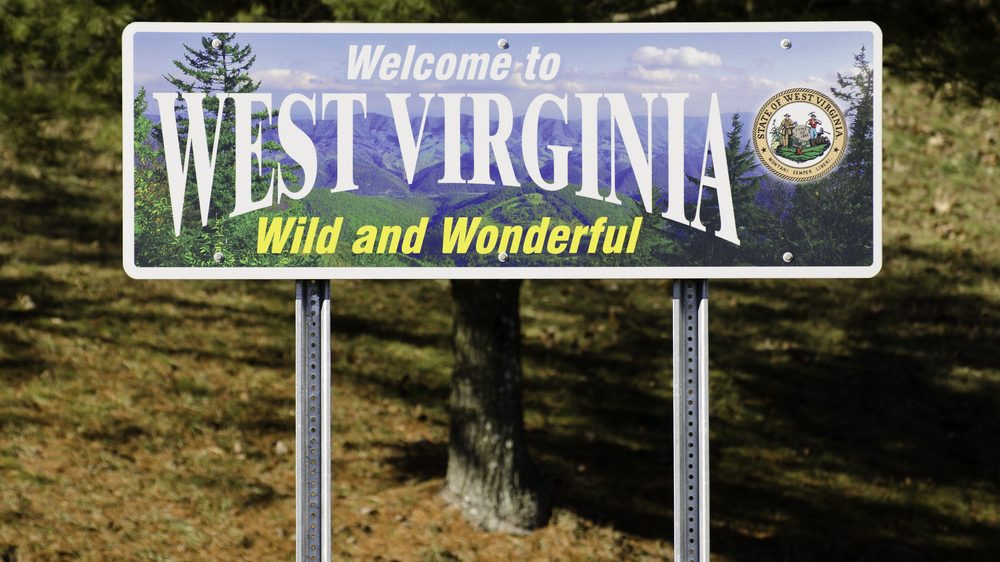
Greyhound racing’s last stand in the United States is in West Virginia, where it is still offered at the Mardi Gras Casino & Resort and Wheeling Island Hotel Casino & Racetrack.
But a new bipartisan bill called the Greyhound Protection Act of 2025 would ban “greyhound racing nationwide, outlawing the country’s last two remaining greyhound racetracks.”
Greyhound racing remains legal but inactive in five other states:
- Alabama
- Iowa
- Kansas
- Texas
- Wisconsin
Simulcasting of races is still available in several states. But the sport’s decline, fueled by falling attendance and betting handle for live races, has been accompanied by a rise in animal welfare concerns.
The bill reads in part, “Public records reveal that some greyhounds used for live commercial racing suffer serious injuries, including broken backs, broken necks, head trauma, paralysis, seizures, and electrocution.”
West Virginia Racetracks Remain Vital to State’s Economy
Opponents of the bill contend that West Virginia’s two remaining tracks and the casinos that house them still provide critical revenue to “help fund public services across the state, along with providing jobs” in a state that needs them.
“All 55 counties benefit from these casinos,” said Steve Sarras, a greyhound breeder in West Virginia. “Pensions are funded from these races. Police and fire [services] get a portion of simulcasting wagering.”
Delaware North operates both casinos, which employ close to 900 people, according to Glen White, the company’s director of corporate communications. White noted that the casinos are “positive economic drivers for the state and their regions,” and they contribute to local charities.
Del. Shawn Fluharty (D-Ohio) represents the area for the track in Wheeling, which is situated just across the state line. He said tracks provide jobs in dog training, veterinary services, and other sectors.
“These are specialized economic and employment opportunities directly tied to the industry, which would be gone tomorrow if racing is eliminated,” Fluharty said. “Not to mention, the owners and trainers of these dogs are residents of West Virginia. They are business owners employing people locally.”
There is a larger sticking point at work. West Virginia law mandates that “all state-sanctioned casino table games and video lottery machines cannot operate without having horse or dog racing.” Legislative attempts to change that provision have been unsuccessful.
Animal Welfare Organization Leads Anti-Racing Charge
GREY2K USA Worldwide aims to end greyhound racing across the globe. The non-profit’s website states that 109 tracks remain in operation worldwide. Executive director Carey Theil cited the following 2024 stats, according to state records for the two remaining tracks in West Virginia:
- 487 greyhounds were injured
- 162 dogs suffered broken bones
- 13 greyhounds died
“These dogs have very short racing careers, and they’re out of the industry by age 3 or 4,” Theil said. Besides training and racing, he added, “the rest of their life, basically, is spent in a cage.”
Sarras, the greyhound breeder, countered that racing is an “extremely regulated” industry. He noted that vets must be present for races to take place, and that “any injuries to the dogs are treated immediately on-site,” after which the animals are sent to a veterinary hospital.
“Those misconceptions of abuse and neglect are just people putting out lies,” he said. “I always tell people, ‘Believe your eyes and not the lies.’”
Fluharty echoed the sentiments expressed by Sarras, emphasizing that the “push to end greyhound racing is not coming from West Virginia residents.”
“It is being pushed by out-of-state propaganda groups like Grey2K,” Fluharty said. “They lie about the industry, then pack their bags and go home. It’s pathetic.”
He added, “Go visit a kennel. The dogs are very much taken care of when they are racing and afterwards, with a 99% adoption rate after their racing career.”