


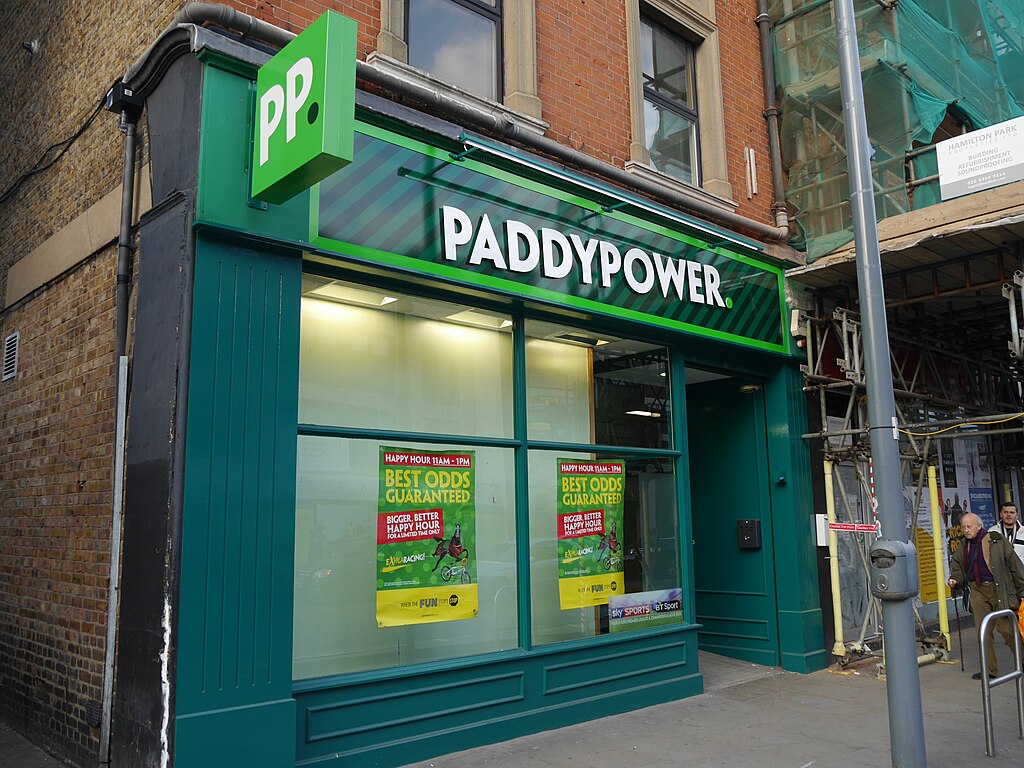
The co-founder and former CEO of Paddy Power, Stewart Kenny, claims the operator is deliberately encouraging gambling addiction.
Speaking at a Treasury Committee session on gambling taxation, Kenny stated that sports betting is less harmful than slots and fixed-odds betting terminals that offer casino games. However, he also noted that his former company pushes sports bettors to start playing casino games.
Rather than introduce a broad tax increase on all areas of gambling, Kenny advocated that the UK government address the imbalance in harm done by the different forms.
He said the UK should “disincentivise bookmakers from sucking people from the least addictive product to the most addictive product, that is the most important thing.”
Companies Move Bettors From Shandy to Triple Brandy
Kenny outlined how betting companies attempt to shift gamblers, particularly young people, from less harmful sports betting to casino gaming.
He explained, “When you open an account to bet on the next general election or on Manchester United to win the Premier League, you could be very young— remember that the frontal lobe of the brain does not mature until 26, so the very young people are most in danger.
“Within 24 hours, they send you free spins in the casino, for the online slots. That is taking somebody from the least addictive product to the most addictive product. It is rather like going into a bar for your first drink and having a shandy, and after you finish your shandy, the barman says, ‘Why not have a triple-strength brandy on the house?'”
The UK’s online gambling sector generates £6.9 billion ($9.11 billion) annually, with online slots alone comprising 52.2% ($4.75 billion) of the market, an increase of 61% over the past five years.
In the meeting, Social Market Foundation Director Dr. Theo Bertram said research backs up Kenny’s claims that slots are far more addictive than horse racing and sports betting. He noted, “For slot machines, one study has put the rate of harm at eight times that of a single bet on racing.”
Earlier this year, MPs voted in favor of new regulations to introduce maximum stake limits on online slots of £5 per spin for players aged 25 and over and £2 per spin for those aged 18 and 24.
Calls for Higher Taxes on High-Risk Gambling
Slots and online casinos are currently taxed at a slightly higher rate (21%) than racing and sports betting (15%) in the UK. The meeting was scheduled to discuss the prospect of increasing all or some of those taxes in Chancellor Rachel Reeves’ upcoming budget.
Dr. Bertram said the disparity in harm caused should lead to a disparity in the taxes on the different forms of gambling. He stated, “We should tax online casino games more heavily while protecting traditional betting and horse racing.”
There have been calls to raise the taxes on slots and online casinos as high as 50%. The Institute for Public Policy Research (IPPR) recommended the rate, along with an increased tax on sports and racing betting to 25%.
Former UK Prime Minister Gordon Brown backed the recommendations, stating that the additional revenue generated could be used to combat rising child poverty in the country.
At the meeting, Carsten Jung, interim associate director for economic policy and AI at IPPR, reiterated the calls for higher tax rates on more damaging gambling, such as slots. Jung said he hoped this would lead to gambling companies incentivizing less harmful types of activity.
He also said that doing this would limit job losses, stating, “A lot of what we are talking about is remote gambling and taxing the most harmful machines in bricks-and-mortar shops, while the other activities are taxed much less, so the employment effects should be limited.”
BCG CEO Rejects Tax Increases as Solution
The Committee also heard testimony from Betting and Gaming Council CEO Grainne Hurst, who has been vocal as an opponent of increasing gambling taxes.
Hurst disagreed that some forms of gambling are more harmful than others, stating, “I wouldn’t accept that different parts of the business are more problematic.”
She insisted that there is nothing inherent in a form of gambling that causes addiction, but she admitted that some people may experience harm. MP John Grady, who was questioning Hurst, stated, “If I understand your position correctly—and I am not very clever, so help me with this—you do not think that there are any social harms caused by online gambling, but you do think that some people interact badly with it.”
Hurst maintained that individuals may experience harm, but the regulated industry is doing its best to protect them. If taxes are increased, she argued, those individuals will use more harmful, black market platforms.
The UK will release its budget on November 26, and the Chancellor has strongly indicated that a tax increase on gambling will be included. The discussions this week may influence how much the increase is and what forms of gambling it will apply to.