


The Scotts Valley Band of Pomo Indians’ proposed $700M casino in Vallejo, California, faces fresh uncertainty after the U.S. Department of the Interior (DOI) told the tribe that its original gaming approval “may have been based on a ‘legal error.’” The acknowledgment came in a letter sent on December 3, confirming that the federal agency will now accelerate its ongoing reconsideration of the project.
As reported by the Vallejo Times-Herald, the DOI advised the tribe that it intends to complete the review “as quickly as possible.” It also outlined new steps for concluding the process in correspondence with Tribal Chairman Shawn Davis.
Project’s Eligibility Questioned
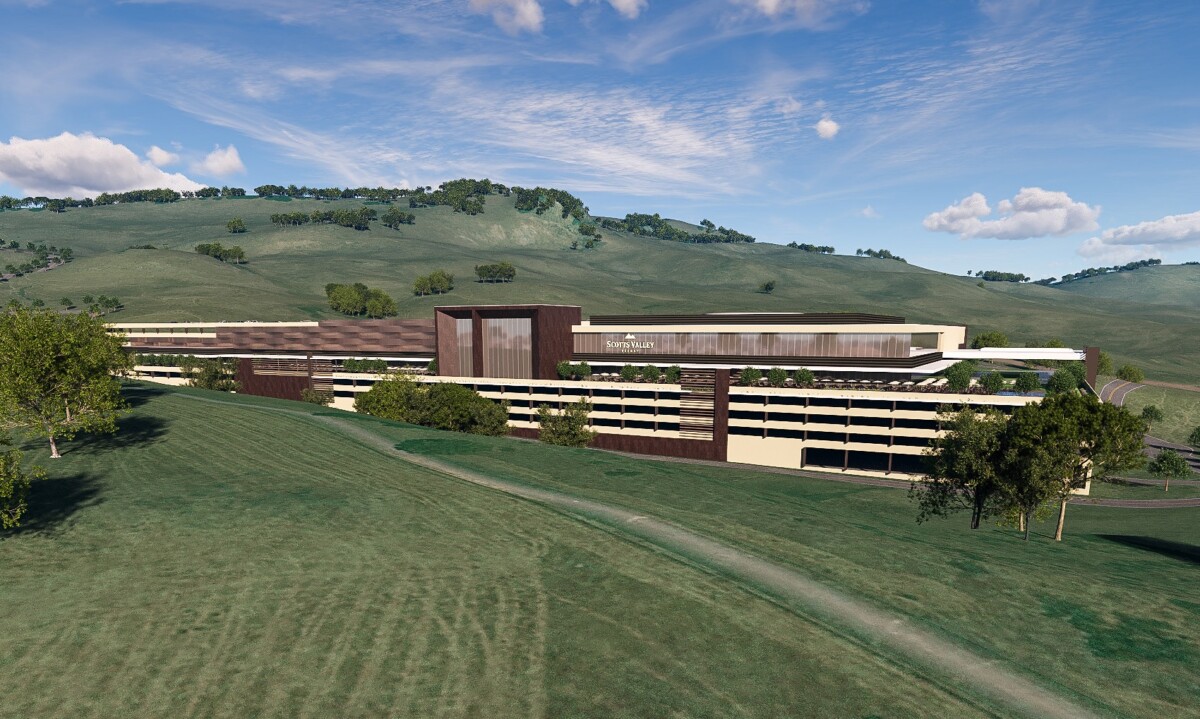
The 160-acre development includes a 24/7 casino, 24 single-family residences, tribal offices, a parking structure, and a 45-acre biological preserve. It would be located near the intersection of Interstate 80 and Highway 37.
However, DOI now cautions that Scotts Valley may ultimately be unable to move forward with the project as the agency reevaluates whether the land qualifies as “restored lands” for gaming under the Indian Gaming Regulatory Act (IGRA).
In its letter, the DOI stated that submissions from local tribes and other parties “raise(s) questions” about the eligibility of the casino site under IGRA.
The agency added that Scotts Valley “would be ill-served” to rely on the prior gaming determination while reconsideration is pending. Evidence filed between March 27 and June 13 “raise(s) questions about the Tribe’s historical connection and temporal connection to the Vallejo site.”
Patwin Tribes Applaud DOI Shift
The Yocha Dehe Wintun Nation, which asserts ancestral ties to Vallejo and Solano County, praised the DOI’s acknowledgment. Chairman Anthony Roberts said: “For years, we have asked the Department of the Interior to consider all the facts and evidence surrounding the Scotts Valley’s ill-conceived casino project.”
He added, “We are confident the Department of the Interior will see what we have known all along – Scotts Valley has no claim to our Patwin ancestral homelands in Vallejo.”
A significant point of contention is Scotts Valley’s claim that its ancestor, Chief Shuk Augustine, once lived on or used land in Vallejo. Yocha Dehe rejects that claim.
“Let me be clear. Augustine never lived in Vallejo and never used or occupied lands here,” Roberts said in September. “Scotts Valley’s claims about Augustine are simply false. Factually incorrect.”
Court Ruling Restores Due Process But Affirms DOI Authority
The December 3 notice comes after an October 30 ruling by U.S. District Judge Trevor McFadden, who affirmed the DOI’s authority to reevaluate the gaming eligibility. He also ruled that the agency violated the tribe’s constitutional due process rights by rescinding the project’s eligibility without notice.
The ruling did not limit the DOI’s power to continue its review. McFadden wrote: “The Court’s remedy does not bar Interior from continuing its reconsideration, nor does it stop the Department from revoking the Band’s gaming eligibility at the end of that process.” He also warned, “Scotts Valley would be ill-served by placing undue reliance on today’s decision.”
In response, Davis said: “Today’s acknowledgment by the Department affirms what the Scotts Valley Band has consistently sought: due process grounded in transparency, respect, and the rule of law.”
Heightened Scrutiny Follows Setback for Koi Nation
The DOI’s position comes amid a series of legal setbacks for other California tribal-gaming proposals. In September, a federal judge blocked the Koi Nation’s Shiloh casino project in Sonoma County. The court reached its decision after finding that DOI erred in its land-into-trust analysis.
A separate ruling in early October reinforced that outcome. The court again concluded that the Koi Nation failed to demonstrate the required historical connection to the Shiloh site.
Scotts Valley Says Project Planning Continues
Scotts Valley told the Times-Herald: “The land is already in trust for the Tribe, and reconsideration would not alter the sovereign status of the Tribe’s homeland in Vallejo.” The tribe maintains its gaming eligibility during the review.
Davis said project development will move forward.
“Scotts Valley remains fully committed to developing opportunities on its trust land that will bring jobs, economic growth, and community investment to the City of Vallejo,” Davis said.