


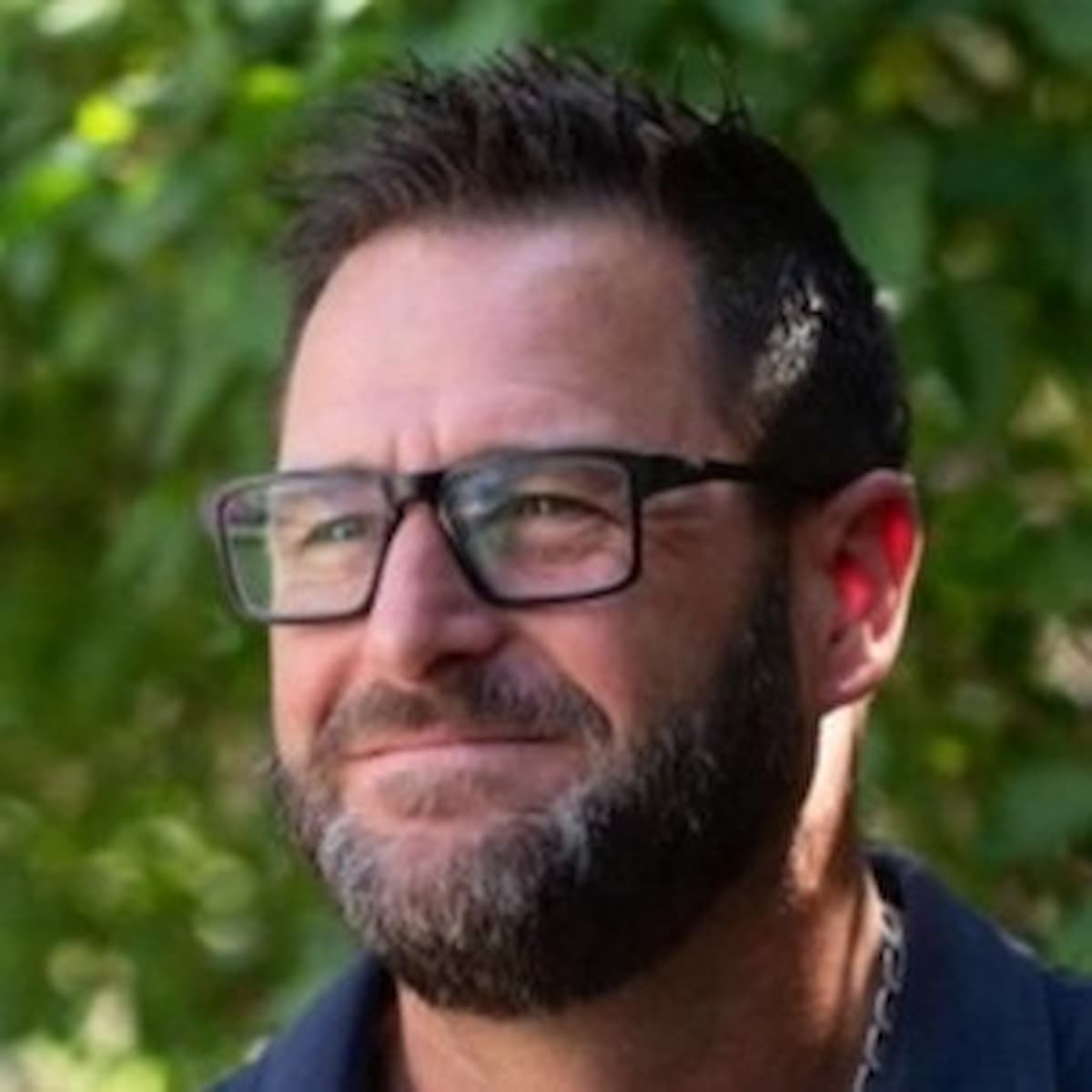
Noah Vineberg is more than seven years removed from his last bet. The recovering gambling addict says he burned through $1 million betting on just about anything: poker, blackjack, and lottery scratch-off cards among them.
But Vineberg says the majority of that money, $600,000, was surrendered to sports betting. Hockey, horse racing, football, and even cricket, despite the fact that he knew nothing about the sport.
“I’ve experienced first-hand how sports betting can ruin a life,” Vineberg wrote in a published memoir three years ago. “I’ve lied to family members, compromised marriages, missed mortgage payments, contemplated suicide, all because of my addiction. I’ve lost a hell of a lot more than money.”
Vineberg, 52, lives in Ottawa. After placing his first bet at the tender age of 10, that’s where he started gambling for real in high school using the government platform Pro-Line, which allowed you to create parlays consisting of 3 to 10 legs.
That’s where he lives, as a father of four, and works today as President of ATU Local 279. To better understand what transpired between then and now — addiction, pain, loss, desperation, and ultimately recovery — we spoke with Vineberg about his redemption story.
Vineberg agreed to share it with CasinoBeats in the hope that it can help recovering gambling addicts and those still struggling with compulsive betting.
CasinoBeats: What were some of the effects of telling your story three years ago under the headline “I placed my first wager when I was 10. I’ve gambled more than $1 million since.”
Noah Vineberg: It was meant to contextualize the depth of the hole I had dug for myself and my family. Instead, it became clickbait. Every media request that followed focused on the number — not the growth, not the healing, not the rebuilding. For a long time, it felt like a slap every time it was repeated. I owned it because it was part of my truth. But it was never the whole truth.
CB: How would you characterize your recovery?
Vineberg: It’s a fine line, really. Every little thing that comes up has the potential to derail years of work and recovery. It is fragile, and if I don’t maintain a healthy respect and understanding of it, it could be around any corner. Because I spent my life avoiding facing things and using gambling to hide from realities and heartaches that should be dealt with, every significant life moment puts me at risk of relapse. Like anything worth doing in life, it takes a healthy amount of work, diligence, and effort to maintain a healthy recovery.
CB: You’re giving back to a place that played a significant role in your recovery. What’s that been like?
Vineberg: Guest speaking at the Hotel Dieu Grace Gambling and Digital Dependence Program has become one of the most vital parts of my recovery. The first time I was invited back to speak — at the program’s 25th anniversary fundraiser — I was overwhelmed. When the director introduced me as the “newest member of the team,” everything shifted. I wasn’t the client anymore. I had responsibility, accountability, and a role that mattered.
CB: Can you give us an idea of what your typical speech touches on?
Vineberg: I’ve told my story to every group that’s come through the program. Sometimes it’s raw, sometimes it’s emotional, but always it’s real. And when I see the spark of hope in someone’s eyes — when they realize their path doesn’t have to end where mine almost did — it fills me. I am so grateful and appreciative of what that program has given me.
CB: Is there anybody you’ve shared this whole experience with on a personal basis?
Vineberg: I have the privilege of celebrating my abstinence with a person I shared that program with – that person saw me before I went there, went through it with me, and we share all of it and a future of abstinence together. I love that person, I consider them family, and can say that they are an integral part of my journey. They now run a Gamblers’ Anonymous meeting. We are both giving back and supporting others who are struggling.
CB: What is your message to other recovering gambling addicts and those still actively struggling with compulsive betting behavior?
Vineberg: If I could go back and speak to myself on the day I almost quit, I’d say: You have no idea what lies ahead, but you know you want to be the one who makes it happen, and you will never forgive yourself if you walk away from it. My message to anyone struggling is this: empathy is everything. The hardest things you’ll do will also be the most rewarding. The simple path will always lead to disappointment. Recovery is the greatest gift you’ll ever give yourself. Hold it close. Respect it. Don’t take it for granted.