

A court has found a top South Korean Buddhist monk, the former abbot of Beopjusa Temple, guilty of habitual gambling in overseas casinos.
The Cheongju District Court sentenced the former abbot, aged in his 60s and unnamed in the South Korean media for legal reasons, to 10 months in prison.
But a panel of judges, led by Justice Cho Jin-yong, suspended the sentence for two years, the South Korean newspaper Joongang Ilbo reported. The court also ordered the defendant to serve a probationary term and to perform 80 hours of community service.
Prosecutors presented evidence to the court showing that the monk repeatedly traveled to Macao and other destinations to gamble between May 2015 and September 2019.
The monk, prosecutors said, placed bets on baccarat at overseas casinos and played slot machines. South Korean law prohibits citizens from gambling in casinos while abroad.
Prosecutors said the monk also aided and abetted a monk-only gambling session at a temple in March 2018. The court dismissed this charge, noting that the monks in question had all been admonished of guilt.
South Korean Buddhist Monk Makes Partial Confession
The defendant denied playing baccarat, but confessed to playing slots during overseas trips.
“The defendant committed the crime although he held a position that required a high level of morality and respect for the law,” said Justice Cho in sentencing. “Beopjusa Temple has a long and distinguished history.”
The panel also said the former abbot’s behavior had brought Korean Buddhism into disrepute.
“The defendant’s crime goes beyond mere individual deviation,” Cho said. “It poses the risk of undermining society’s trust in religious bodies.”
The court explained its reasoning for suspending the sentence, noting that the defendant had made a partial admission of guilt.
Beopjusa Temple: Cultural Heritage Site
Prosecutors, however, had asked the court to consider the fact that the defendant has a prior criminal record for gambling-related offenses.
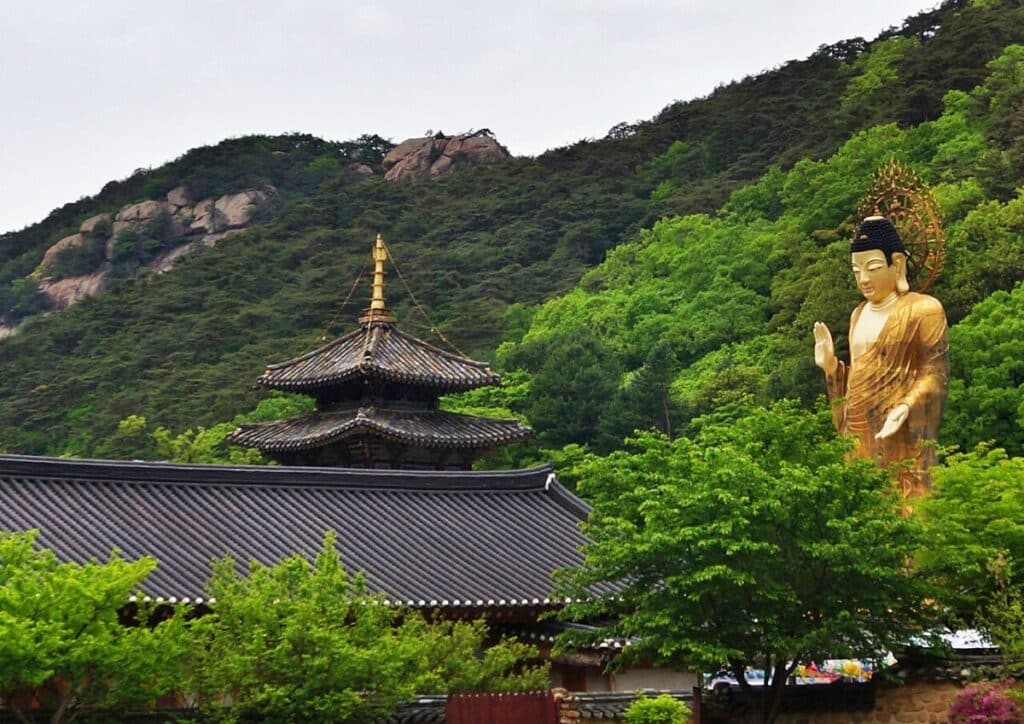
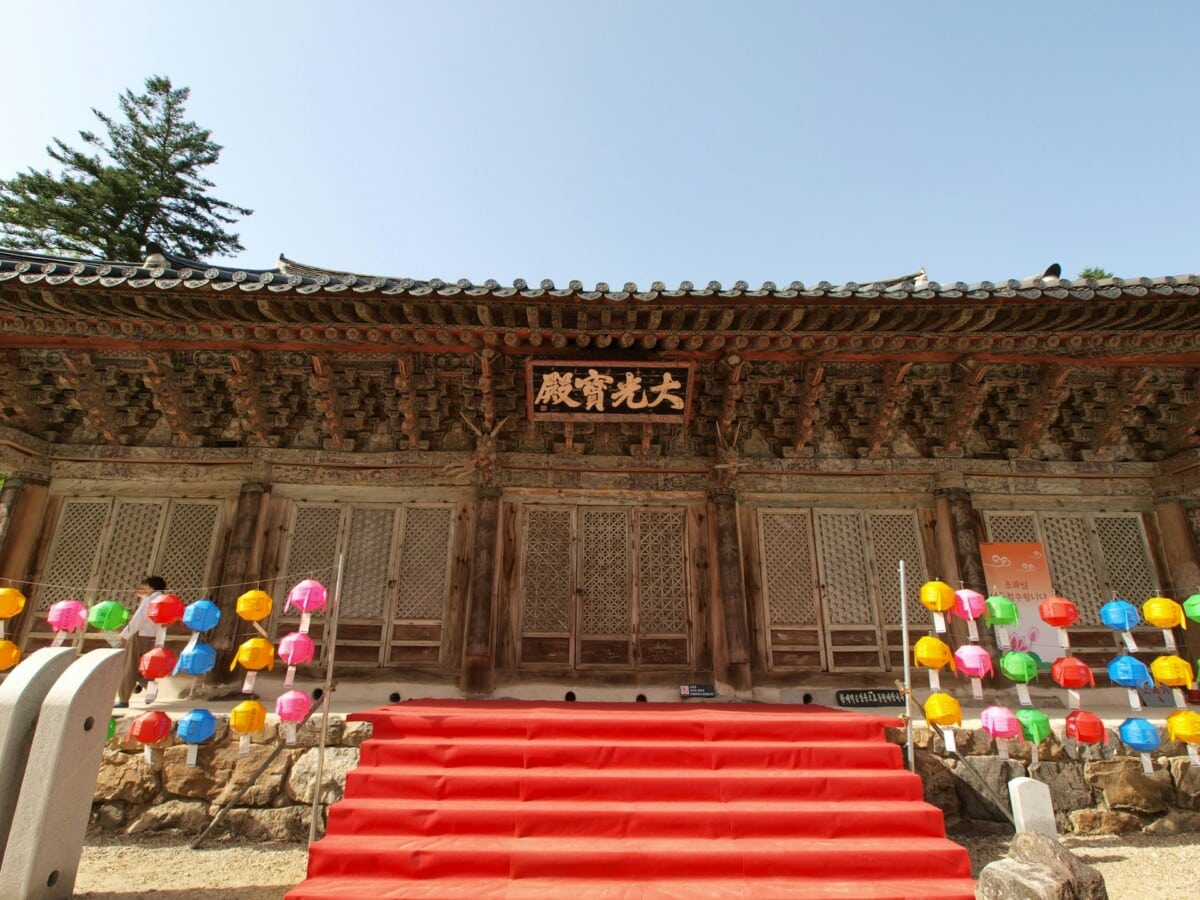
The temple is one of South Korea’s most famous Buddhist sites, and dates back to CE 553. It is a UNESCO World Heritage Site and features a 33-meter bronze statue of the Buddha, resting on a 7.5-meter lotus base.
Beopjusa is also home to the country’s only five-story wooden pagoda and the nation’s tallest clay Buddha statues. It offers tourists a range of temple stay programs.
The development comes as a further gambling-related blow to Asian Buddhist institutions. In May last year, the long-serving head of Thailand’s Wat Rai Khing Temple was disrobed after confessing he embezzled $9 million worth of temple funds.
Police accused him of using the money to gamble on overseas online casino sites.