


Lawmakers want Russian casinos to pay heavy fines if they let gambling addicts who have added their names to the country’s new “self-prohibition” registry place bets.
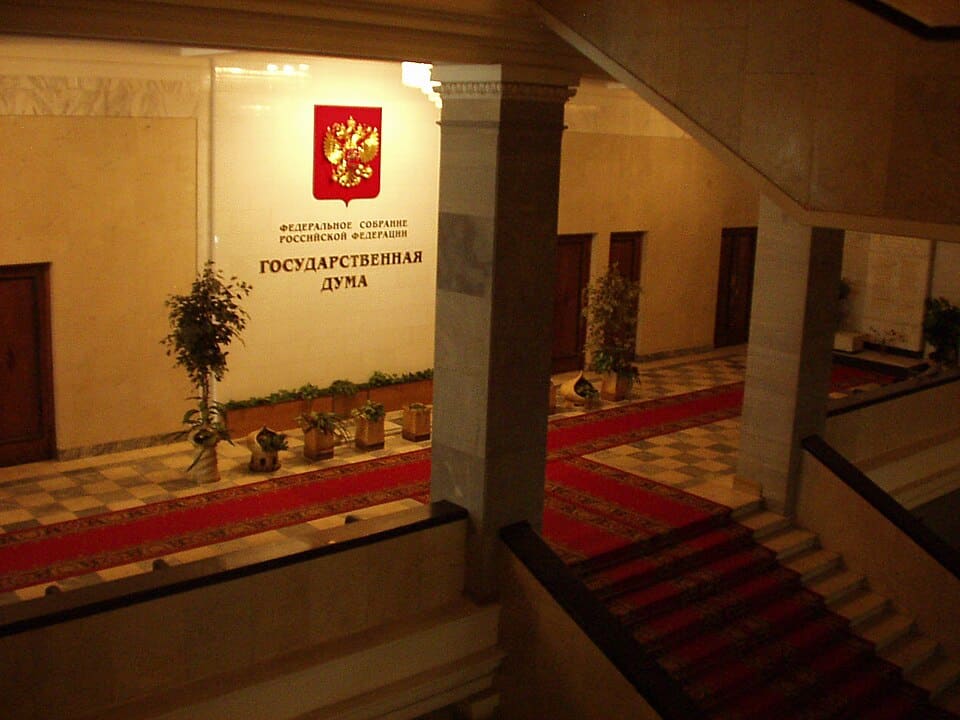
The State Duma, Russia’s lower parliamentary house, passed a bill mandating fines during a plenary session on July 8, the Russian Parliamentary Gazette reported.
The bill is the brainchild of the Duma’s Committee on Economic Policy. The committee recently masterminded a fast-track system to block illegal online casino sites in Russia.
“[We are working] to fight the shadow gambling sector, strengthen trust in state-regulated [gambling] platforms, and improve the overall level of security in the digital space,” Maxim Topilin, the committee’s Chairman, said in May.
Russian Casinos Also Face New Advertising Restrictions
The bill’s authors have also included a clause that would punish casinos, slot machine centers, and online bookmakers that send promotional emails or letters to anyone on the registry.
Courts will have the power to fine individuals between $400 and $660. Companies will face fines 10 times higher.
The Duma passed the bill’s second and third readings. This means that unless the Federation Council (Russia’s upper house) or the office of President Vladimir Putin vetoes the bill, it will become law on September 1.
The bill introduces a legal notion of liability for casino and sportsbook operators for accepting bets from anyone on the register.
This will let courts find gambling operators guilty of administrative offenses if they fail to identify a patron as a self-confessed problem gambler.
Lawmakers also want to impose penalties on gambling operators who fail to submit information on the individuals they have blocked to the Russian unified gambling regulator.
Gambling Addiction Rates Rise
The law comes as part of the government’s wider response to a rise in gambling addiction. Lawmakers believe that up to 12% of Russian adults display signs of problem betting.
Many addicts spend around 21% of their monthly incomes in bookmakers’ stores, slots parlors, land-based casinos, and illegal online betting platforms.
However, anti-gambling advocates say only 5%-10% of Russian addicts seek professional help.
Moscow has responded by preparing new gambling addiction guidelines and treatment for psychological and psychiatric clinics.
These will roll out later in the year, officials have confirmed.
In April, Artem Metelev, the head of the State Duma Committee on Youth Policy, urged the government to let family members add their relatives to the registry without addicts’ consent.
“It would be a good addition to let close relatives, like children, wives, and husbands, impose restrictions,” Metelev said. “People don’t always realize they are addicted.”
The lawmaker said that his committee was preparing a draft law and would soon submit it to the Duma.