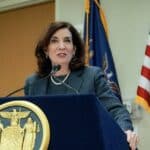


Washington, DC, Mayor Muriel Bowser has reignited the debate over gambling expansion by introducing legislation that would authorize poker, blackjack, and commercial bingo. The proposal comes as the city faces a tightening budget outlook and mounting competition from neighboring states with full-scale casinos.
Bowser’s Plan
The bill, known as the Poker and Blackjack Gaming Authorization Act of 2025 (B26-0379), would permit licensed bars, hotels, and other approved venues to host live poker and blackjack games for players aged 18 and above. Commercial bingo would also be allowed under a separate licensing scheme.
Key provisions include:
- Licensing fees: $5,000 for a two-year operator license, plus $2,000 for each approved location.
- Tax rates: 25% of gross gaming revenue for poker and blackjack; 7.5% for bingo.
- Regulatory oversight: Bowser’s FY 2026 budget earmarks about $497,000 for four new positions at the Office of Lottery and Gaming (OLG) to oversee card games and bingo.
Bowser frames the move as more than raising additional tax dollars and offsetting federal job cuts. She has described the plan as part of a broader push to diversify the city’s entertainment economy and prevent potential gaming dollars from flowing across the river.
Councilmember Kenyan McDuffie, who chairs the Council’s Business and Economic Development Committee, is sponsoring the measure and will oversee hearings.
“Because I think it’s another clear message that the mayor, the deputy mayor, and this city is sending, despite everything around us, that Washington DC is not standing still. Rather, we are investing in our future and proving that inclusive growth, innovation, and economic opportunity are central to our story here in the District of Columbia,” McDuffie said, signaling that DC will not stand still amid external pressures.
Still, McDuffie, Bowser, and supporters face an uphill battle. Similar proposals were stripped from Bowser’s previous budget after pushback.
Lessons From DC’s Sports Betting Woes
Bowser’s latest proposal follows years of difficulties with sports betting in the District.
In 2019, DC created a monopoly model and awarded Intralot, its lottery operator, with the license. The no-bid contract sparked controversy from the start.
The product, Gambet DC, struggled with poor odds, limited functionality, and consumer frustration, resulting in significantly less revenue than projected. It infamously malfunctioned during Super Bowl 56 between the Cincinnati Bengals and Los Angeles Rams. That resulted in a $500,000 settlement with the DC Lottery.
In 2024, McDuffie led the effort to approve reforms and open the mobile sports betting market to competition. FanDuel, which already ran a retail sportsbook at Audi Field, took over as the city’s official mobile operator. Several months later, other major operators entered the market. They include Caesars, DraftKings, BetMGM, Fanatics, and ESPN Bet.
While the DC sports betting market is growing under the new model, the troubled rollout has left lawmakers wary. Unlike previous attempts, Bowser’s new gambling bill is being advanced separately from the budget, ensuring a clearer debate and avoiding the backlash that followed the launch of sports betting.
Competing With Casinos Next Door
One of the central drivers behind the bill is regional competition. Residents of the District already flock to MGM National Harbor in Prince George’s County, Maryland, or to other casinos in Maryland, Virginia, and West Virginia.
- MGM National Harbor: Located just across the DC line, it is among the highest-grossing casinos on the East Coast, generating nearly $70 million in monthly gaming revenue.
- Maryland Live! and Horseshoe Baltimore: Both heavily market to DC players.
- Northern Virginia’s Rosie’s Gaming Emporium and Hollywood Casino Charles Town in West Virginia also attract District residents on weekends.
Bowser and her allies argue that allowing games like poker and blackjack would help DC reclaim some of that spending while adding new attractions for tourists.
Still, without large integrated resorts or slot machines, the District will remain at a disadvantage.
Legal & Social Risks
The plan faces hurdles. One is the Statute of Anne, an 18th-century British law that remains in effect in DC. The relic law allows the recovery of gambling losses over $25.
Private entities, such as DC Gambling Recovery, have used it to sue sports betting operators. Bowser’s FY 2026 budget includes language to shield regulated gambling operators from the statute.
Meanwhile, some council members remain skeptical, having previously rejected similar gambling provisions from budget bills. As with most gambling proposals, critics warn of an increase in gambling addiction and emphasize the need for increased consumer protections, addiction services, and stricter regulations.
What’s Next?
McDuffie’s council will review the proposal during public hearings. Testimonies are expected to question revenue projections, regulatory safeguards, and social implications. Advocacy groups will likely push back.
If DC passes the measure, it could see its first legal poker tournaments and blackjack tables in hotels and bars as early as 2026.