

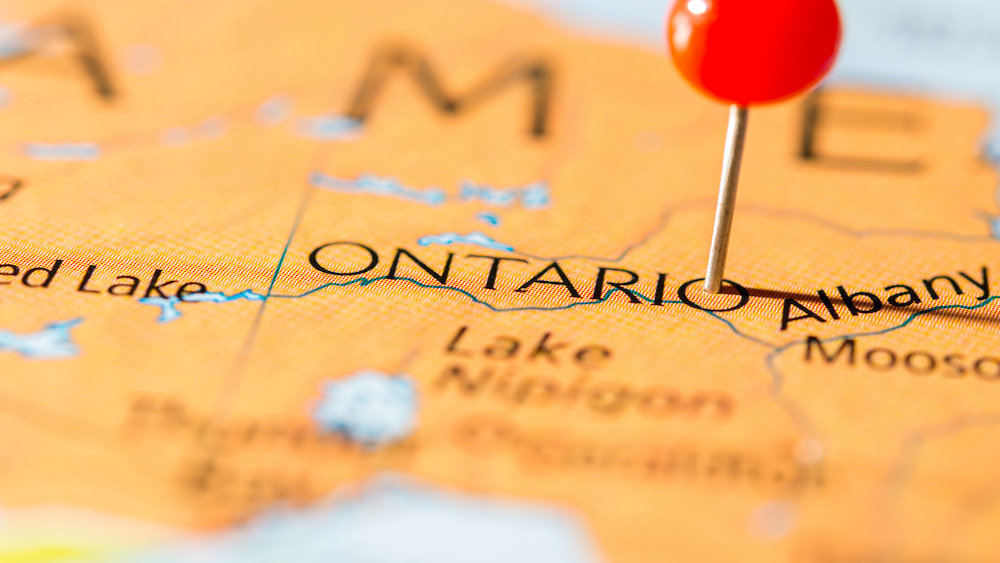
The Alcohol and Gaming Commission of Ontario (AGCO) has fined theScore C$105,000 for failing to meet responsible gambling and player protection standards.
The AGCO notes that the platform allowed an individual to continue gambling despite “clear red flags.” A statement said the individual wagered C$2.5 million ($1.8 million) and lost approximately C$230,000 ($165,000) over eight months, including around C$100,000 in the first month of play.
The player was assigned a VIP host by theScore, and the AGCO notes that they showed signs of distress to the host while also displaying loss-chasing betting behavior.
The regulator states that this should have prompted the company to intervene, but instead, it relied on the individual’s self-assessments.
Ontario’s Strict Player Protections
The AGCO notes it has “strict responsible gambling and player protection standards,” which theScore did not meet.
Dr. Karin Schnarr, Chief Executive Officer and Registrar of AGCO, said, “Player protections are a fundamental requirement for any gambling operator looking to conduct business in Ontario. When operators fail to uphold these critical safer gambling standards, they not only betray the trust of their players but also undermine the integrity of Ontario’s regulated igaming market.”
Specifically, the PENN Entertainment-owned platform did not comply with section 3.8 of the Gaming Control Act, 1992 (GCA).
This states, “Operators shall implement and follow policies and procedures that will identify, prevent and minimize the risks of harm from gaming to players.”
In addition, “A mechanism shall be in place to monitor player risk profiles and behaviors for the purpose of detecting signs of players potentially experiencing harm.”
Finally, the AGCO highlights point 2.12 that states, “Employees shall understand the importance of responsible gambling and how their jobs impact player protection as well as the fundamental concepts of responsible gambling and problem gambling.”
To cut costs, theScore laid off 75 employees earlier this year. PENN paid $2 billion to acquire the sports media and gambling company, which forms part of its interactive division with ESPN Bet. The venture has failed to pay dividends so far, resulting in losses of $500 million in 2024.
Other Countries Less Protective of Problem Gamblers
The rules in Ontario are stricter than in other countries, where the individual is often blamed for their own gambling losses. This week, a bettor in the UK is taking his lawsuit against Betfair to the Court of Appeals.
Lee Gibson accused the operator of failing to intervene as he gambled away £1.5 million ($2 million) on the platform. Gibson was also assigned a VIP host who failed to intervene despite his betting showing signs of an addiction.
A judge dismissed Gibson’s case last year, claiming he was responsible for his gambling. In the ruling, the judge stated, “The evidence shows, and I have found, that he kept his problem under wraps, was able to afford to bet at the level he did (he passed all AML investigations), would not tell the truth when asked if he was comfortable about his losses, and would not use tools to limit his gambling.”
The judge in the UK absolved Betfair because of the gambler’s reluctance to admit to a problem. However, the AGCO argues that it was theScore’s duty not to believe the gambler’s self-assessment and intervene.
Meanwhile, a Michigan man is suing the state’s Gaming Control Board for failing to offer him enough protection. Despite signing up to the state’s self-exclusion list, he continued to receive gambling-related marketing.
There may be reluctance among many gambling companies and regulators to fully protect players who are boosting profits and state taxes.
Even with the AGCO’s stricter rules around player protection, Ontario’s gaming market is thriving. Revenue continues to rise, with the province’s online casinos dominating the growth.