








Chavdar Vasilev Journalist
Chavdar Vasilev is a journalist covering the casino and sports betting market sectors for CasinoBeats. He joined CasinoBeats in May 2025 and reports on industry-shaping stories across the US and beyond, including legislative debates, market...
Read Full BioSteve Cohen’s Metropolitan Park casino project in Queens is facing a significant setback as a New York State Supreme Court judge has blocked the City of New York from entering into a planned casino agreement. The order comes just days after the US Tennis Association (USTA) filed a lawsuit alleging the deal threatened core protections for the US Open.
Justice Nancy M. Bannon granted a Temporary Restraining Order (TRO) on November 14. It blocks the city’s plan to finalize a binding agreement with Queens Future LLC — the developer behind the proposed casino next to Citi Field, set for November 17. The TRO remains in place unless the city proves such an agreement complies with the USTA’s lease terms.
In the signed order, shared by gaming attorney Daniel Wallach on X, the judge restrains the city from:
“Executing or otherwise entering into any agreement between the City and Queens Future or its subsidiaries or related entities pertaining to Metropolitan Park unless and until the City establishes that such agreements comply with NTC’s rights and the City’s obligations under the NTC-City Lease, as those rights and obligations are determined by the Court.”
The judge has set a preliminary injunction hearing for December 11 at 11:30 a.m.
The latest developments could play a significant role in whether Metropolitan Park receives one of up to three available downstate New York casino licenses.
USTA Warned of ‘Threatened Default’
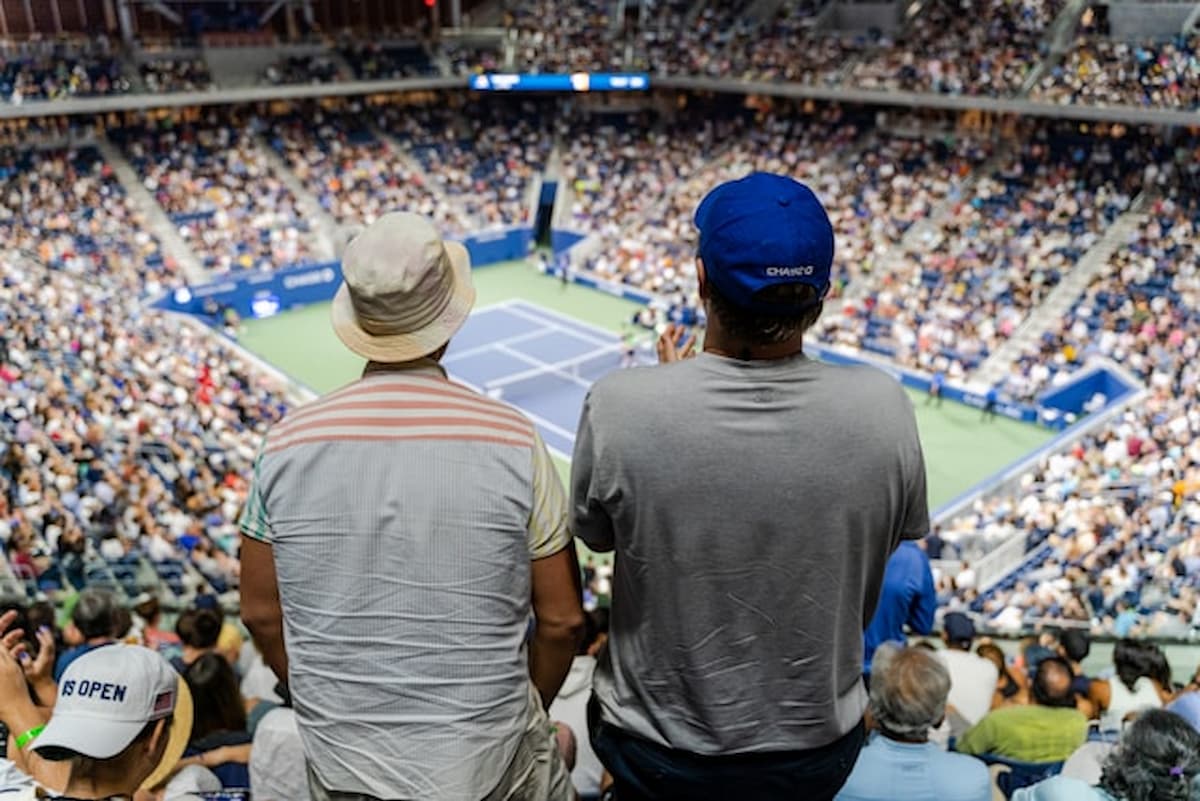
The USTA filed a complaint on November 12. It accuses the city of preparing to sign the agreement without including the mandatory “Superiority Clause.” The clause under the USTA’s lease agreement makes all third-party rights “subject and subordinate in all respects to the rights of the USTA National Tennis Center.”
The USTA states that Metropolitan Park is situated entirely on contractually protected “Servient Lands.” It claims city officials refused to confirm the lease protections would apply. The complaint alleges:
“The City’s words and conduct — including by telling representatives of the NTC that these are problems for the next mayoral administration to deal with — amount to a ‘threatened default.'”
It further claims that representatives of Queens Future and the Citi Field operator, Queens Baseball Company, have refused to “respect” the US Open as a 23-day event. That’s despite the lease defining the tournament period as:
“the entire period of approximately twenty-three (23) days of tournament play and qualifying rounds of the U.S. Open.”
The complaint argues that entering the casino agreement without the proper clause would undermine the city’s ability to enforce US Open protections, stating:
“The NTC depends upon the City to do so, and the City expressly covenanted to do just that in the NTC–City Lease.”
Casino Licensing Context: New Obstacle at a Critical Moment
The TRO comes at a critical moment in the casino license process. Metropolitan Park is one of three bids that have reached the final phase of a years-long process. It is expected that the New York State Gaming Commission (NYSGC) will issue up to three licenses by the end of the year.
However, NYSGC Chair Brian O’Dwyer has previously stated that the law does not require awarding all three licenses. Regulators may issue “one, two, or three licenses.” However, only to applicants who meet the “highest standards of integrity and operational efficiency.”
The Metropolitan Park proposal is one of the most politically visible bids, backed by Cohen and Hard Rock International. It has already navigated through zoning, parkland-alienation legislation, and intense public debate through the Community Advisory Committee process.
Now, it faces a legal question that regulators must consider: Can a project still be deemed “suitable” when a court order freezes its underlying land-use agreement?
Board to Tour All Three Casino Sites Monday
Adding to the pressure, the New York Gaming Facility Location Board (GFLB) is scheduled to tour all three proposed casino sites on November 17. GFLB is a five-member body that will evaluate the three remaining bids. It will then recommend to the NYSGC which projects should receive licenses.
These on-site evaluations are among the final steps before the GFLB issues its formal recommendations to the NYSGC. The final recommendations are expected by December 1.
The TRO means the GFLB will consider the Metropolitan Park site under active court restrictions. The Board will be fully aware that the developer cannot proceed with any agreements. That’s unless the city persuades the court that the agreement complies with the USTA lease.
What Happens Next
According to the TRO scheduling orders:
- The City must file its opposition papers by December 1, 2025.
- The USTA must file its reply by December 8, 2025.
- The judge has scheduled a preliminary injunction hearing for December 11 at 11:30 a.m.
- The TRO remains in effect until that hearing concludes.
If Judge Bannon converts the TRO into a full preliminary injunction, the casino agreement could be blocked for months. That could potentially affect Metropolitan Park’s viability in the state’s licensing race.
For the USTA, the litigation marks a forceful attempt to protect what it calls “the largest annually attended sporting event in the United States.”