

The Lumbee Tribe of North Carolina is one presidential signature away from full federal recognition. This milestone could significantly reshape the state’s tribal gaming landscape and potentially lead to the establishment of the first casino in eastern North Carolina.
The recognition is included in the National Defense Authorization Act (NDAA), which has cleared Congress and now awaits final approval.
If enacted, the measure would make the Lumbee the 575th federally recognized tribe. It would grant access to federal programs and enable tribal land acquisition and gaming under the Indian Gaming Regulatory Act (IGRA).
Federal Recognition Would Unlock Long-Sought Sovereignty
The Lumbee Tribe has been pursuing federal recognition for over a century. While the tribe received limited federal acknowledgment under the Lumbee Act of 1956, that statute explicitly denied eligibility for federal Indian programs and benefits afforded to other recognized tribes.
Full recognition would restore a formal government-to-government relationship and allow the tribe to pursue economic development initiatives. That includes gaming — on trust land, most likely centered in Robeson County, where the tribe is historically based.
North Carolina Currently Has Three Tribal Casinos
There are currently three tribal casinos operating under the IGRA:
- Harrah’s Cherokee Casino Resort (Cherokee)
- Harrah’s Cherokee Valley River Casino & Hotel (Murphy)
- Catawba Two Kings Casino (Kings Mountain), operated by the Catawba Nation near Charlotte
The Eastern Band of Cherokee Indians operates both Harrah’s casinos in western North Carolina. Meanwhile, the Catawba Nation is building a $1 billion casino resort adjacent to the current facility. The project’s introductory phase is scheduled to open in spring 2026, with a full resort debut targeted for 2027.
There are no casinos in eastern North Carolina. A Lumbee-backed casino would represent the fourth tribal casino statewide and the first around Interstate 95, fundamentally changing the regional market.
Strategic Location Near I-95 & South Carolina Border
Any future Lumbee casino would likely target a site near Interstate 95, a central East Coast travel corridor running directly through Robeson County.
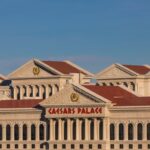
That location would position the property to draw traffic not only from eastern North Carolina but also from northern South Carolina. It would rival Caesars Virginia as the closest full-scale casino to Raleigh.
A potential casino in Robeson County is also notable, given recent efforts in South Carolina to advance casino legislation. Earlier this year, South Carolina lawmakers pushed a proposal to authorize three casinos in rural areas. Two of them would’ve been in counties on the North Carolina border.
While the South Carolina proposal ultimately stalled, its proximity underscores how a Lumbee casino could become a regional draw for two states, particularly in an area with no existing casino competition.
Political Sensitivities & Tribal Opposition
The Lumbee recognition push has not been without controversy. The tribe says they descend from multiple historic Native American communities. North Carolina has recognized them since 1885.
However, leaders from other federally recognized tribes, including the Eastern Band of Cherokee Indians, have questioned Lumbee’s legitimacy and even hired a genealogist to investigate their past.
Still, the inclusion of the Lumbee language in the NDAA marks the closest the tribe has ever come to full recognition, following decades of stalled legislation and political setbacks.
What Comes Next
If the NDAA is signed into law, federal recognition would not automatically authorize the establishment of a casino. The Lumbee would still need to:
- Secure trust land approval, a process that has stalled or resulted in rejection for other tribes
- Negotiate a tribal-state gaming compact with North Carolina
- Navigate federal and state regulatory review
However, recognition would remove the most significant legal barrier — and place eastern North Carolina firmly on the map as a future destination for casinos.