










Tim Alper iGaming Journalist
Tim Alper is a journalist covering betting news and regulation for CasinoBeats, with a focus on regulatory developments and international markets. He reports on breaking stories across Europe and Asia, including gambling law changes and...
Read Full BioJapanese local governments are taking a guarded stance on integrated casino-resort (IR) development.
Osaka Prefecture is proceeding with the construction of the country’s first IR, a joint venture involving MGM Resorts and the domestic construction giant Orix.
The parties are hoping to open the doors to the resort in 2030, in spite of rising costs and criticism. Local business leaders, however, have claimed the IR will turn Osaka into a major travel destination.
The government says it will approve further IR applications in 2027. But provinces seem reluctant to throw their hats into the ring amid pushback from their residents.
Have Japanese Integrated Casino-Resort Plans Hit a Hurdle?
The Japanese newspaper Sankei Shimbun reported that the Wakayama Prefecture’s Governor Izumi Miyazaki told media representatives that it was unlikely the prefecture would make any applications before Tokyo’s deadline of November 5, 2027.
However, Miyazaki refused to completely rule Wakayama out of the running. He said: “If a company with potential expresses interest in an IR [bid], we will not close the door to the possibility.”
The governor suggested that Wakayama will shelve its plans for now, but could return to them if Osaka’s IR proves successful.
“We have not decided not to pursue an IR,” he said. “But we would like to take a look at Osaka’s IR and use it as a reference.”
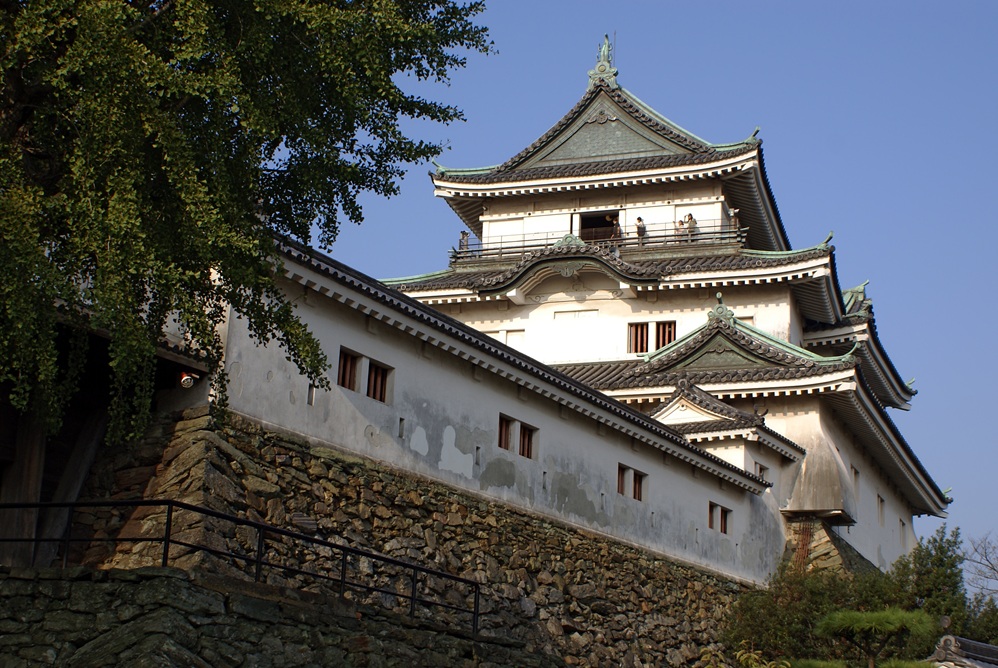
Miyazaki added that Wakayama’s IR ambitions had gone “back to square one” after the prefecture’s assembly rejected a bid in 2022.
The provincial assembly called the bid, spearheaded by Canada’s Clairvest Group, “sloppy,” “vague,” and “uncertain.”
“It will be difficult to formulate a new IR plan with less than two years to go until the application deadline,” Miyazaki said.
Fukuoka Mayor Rules Out IR Bid
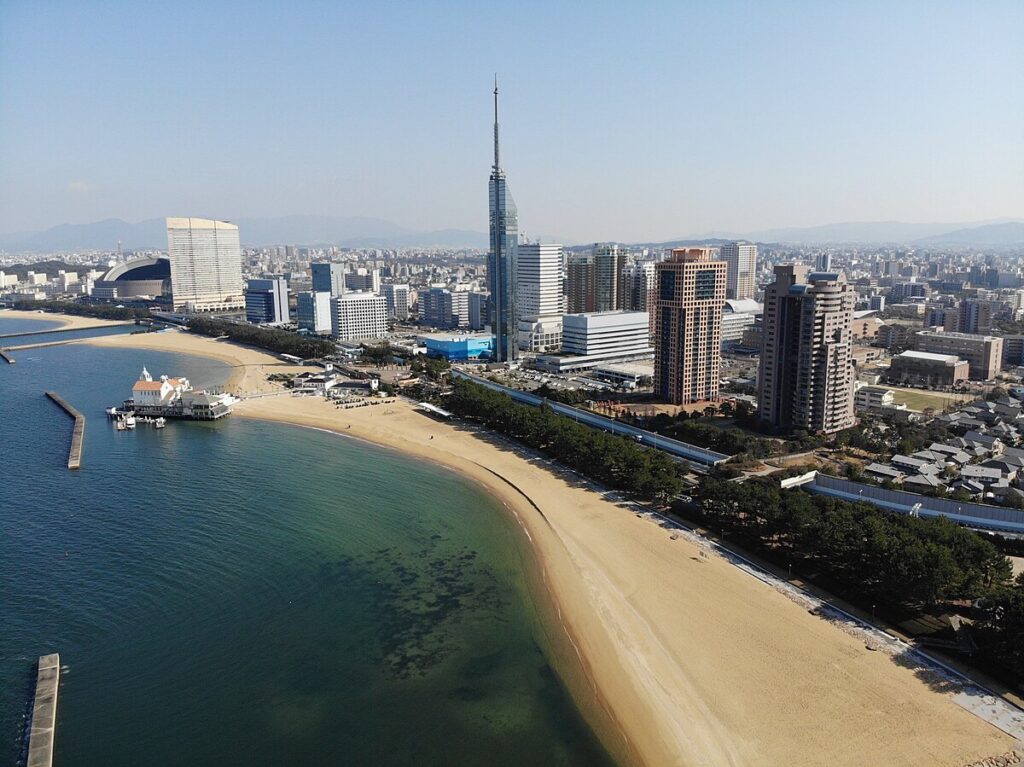
Local authorities in Fukuoka went a step further. The city’s Mayor Soichiro Takashima told reporters the city “has never even considered” a bid. The mayor added: “And we have no intention of doing so in the future.”
The Japanese media outlet Fukuoka TNC News quoted him as saying: “I have never considered a bid. And I continue to say that I will not do so in the future, even if the government has said something on the matter.”
Some reports claimed contractors believed Fukoaka would be an ideal location for an IR. The city is already a popular international tourist destination due to its climate and cultural attractions.
“Fukuoka is relatively conservative,” Takashima said. “I don’t think it would be easy to get support if we suddenly announced plans to make a bid.”
Wakayama Prefecture’s planning department responded to a survey conducted by the Japan Tourism Agency in October this year in a similarly non-committal manner.
Per the Yomiuri Shimbun, the prefecture did not respond to a yes-or-no question about whether Wakayama was planning an IR bid.
The newspaper wrote: “Instead, the department wrote an answer in a free-form section. It stated that it was ‘not in a position to answer either yes or no.’”
Experts say they expect the caginess to continue in the year ahead. In a recent opinion post, Takashi Kiso, the Director of the International Casino Research Institute, wrote: “It will be difficult for local governments who are now considering [launching IR bids] from scratch to participate.”
Kiso concluded: “It seems likely that the candidates will essentially be narrowed down to the few local governments that were considering attracting them at the time of the previous application, back in 2023.”
That would whittle the list down to Nagasaki, which saw its 2023 bid rejected for financial reasons. Yokohama and Hokkaido also considered making bids, but did not ultimately present the IR selection committee with any concrete plans.