







Kris Johnson iGaming Journalist
Kris Johnson is a Charlotte-based deputy editor. He joined CasinoBeats in July 2025 and oversees the daily news flow of editing and publishing. Kris also reports on all aspects of the gambling industry with a...
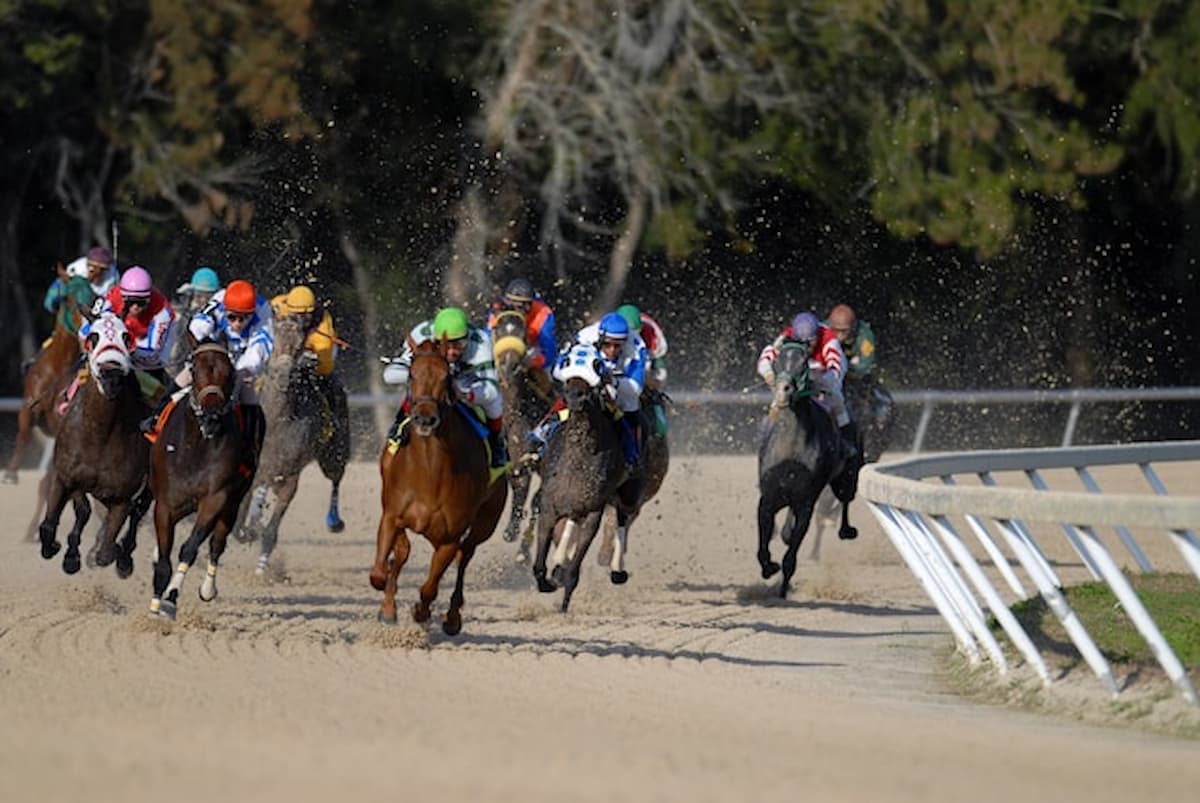
Read Full BioKentucky Rep. Matt Lehman has filed House Bill 39 to help “ensure a level playing field” between computer-assisted wagering (CAW) players and regular bettors at the state’s horse racing tracks.
The Newport Democrat’s personal experience at Keeneland helped inspire the bill’s creation.
“I was at Keeneland a couple of times this fall. I bet a horse at 21-1 going in the gate. The horse actually won, but he was 8-1 when he crossed the wire,” Lehman said. “I have had a couple of bets like that. I’m not a big gambler, but I go to the races a few times a year. As a patron, to have a 21-1 shot that pays 8-1, it makes you feel like you lost.”
How CAW Operates & Affects Payouts
Bloodhorse notes that CAW bettors “account for billions of dollars wagered” annually in pari-mutuel pools nationwide. The CAW model offers significant rebates on its betting and uses sophisticated software systems to estimate odds. The biggest advantage comes in their “ability to then make thousands of wagers in an instant to capitalize on perceived value.”
Bets can be placed up to the start of the race, which can result in reduced payouts for retail bettors, as was the case for Lehman.
HB 39 reads in part, “Access to pari-mutuel pools shall be made available to all patrons on equitable terms, and no patron or class of patrons shall be afforded preferential pricing, rebates, access, information, technology, latency, or other advantages not uniformly available to all patrons placing wagers of the same type into the same pari-mutuel pool.”
Bill Aims to Preserve Horse Racing’s Future in Kentucky
Lehman noted that CAW, in its current iteration, is hurting the sport’s long-term prospects in Kentucky. Despite CAW accounting for billions in bets, the same can be said nationwide based on current handle figures. Thoroughbred racing’s pari-mutuel pools totaled approximately $11 billion in 2025, roughly matching 2019 and “down 24% from the more than $14.5 billion wagered in 2005.”
“I do think the industry’s got to figure out a way to grow its gambling base if it’s going to survive long-term,” Lehman said. “My worry is the way it’s set up right now, we’re going to have a whole bunch of $2 weekend bettors and then a handful of people way at the top. You want to have some of those $2 bettors become bigger and bigger bettors, but the CAW is crowding the pools, and the middle is getting squeezed out of it. That doesn’t seem like a long-term solution.”
If CAW weren’t allowed on Kentucky races, the state would expect to see an “immediate negative impact” on tracks and purses. As such, Lehman realizes will be “important to get the details just right” if the bill moves forward.
“The importance of this industry to the state is not just the horsemen; it is the entire state,” he said. “It’s what people know, and it’s really important that we have a very healthy long-term fan base. Maybe this is one way to start encouraging that. That’s really what’s behind it.”