











Tim Alper iGaming Journalist
Tim Alper is a journalist covering betting news and regulation for CasinoBeats, with a focus on regulatory developments and international markets. He reports on breaking stories across Europe and Asia, including gambling law changes and...
Read Full BioPolice in South Korea’s Gyeonggi Province say they helped 191 young gambling addicts, mainly teenagers, receive counseling last year.
The youths “voluntarily reported” their gambling problems, the South Korean news agency Yonhap reported. The Gyeonggi Nambu District Provincial Police Agency said the youths attended counseling sessions and received addiction and rehabilitation treatment.
Officers said the youths accessed resources at the Gyeonggi Southern Gambling Problem Prevention and Treatment Center and the Gyeonggi Youth Counseling and Welfare Center.
The agency said it will step up its “voluntary reporting” program this year, launching a new project named Go-Back.
The project will allow youths who think they are addicted to gambling to seek help from the police. Go-Back will run until the end of March, providing youths with free access to legal advice.
Police say they have teamed up with the Gyeonggi Central Bar Association, the province’s biggest association of attorneys.
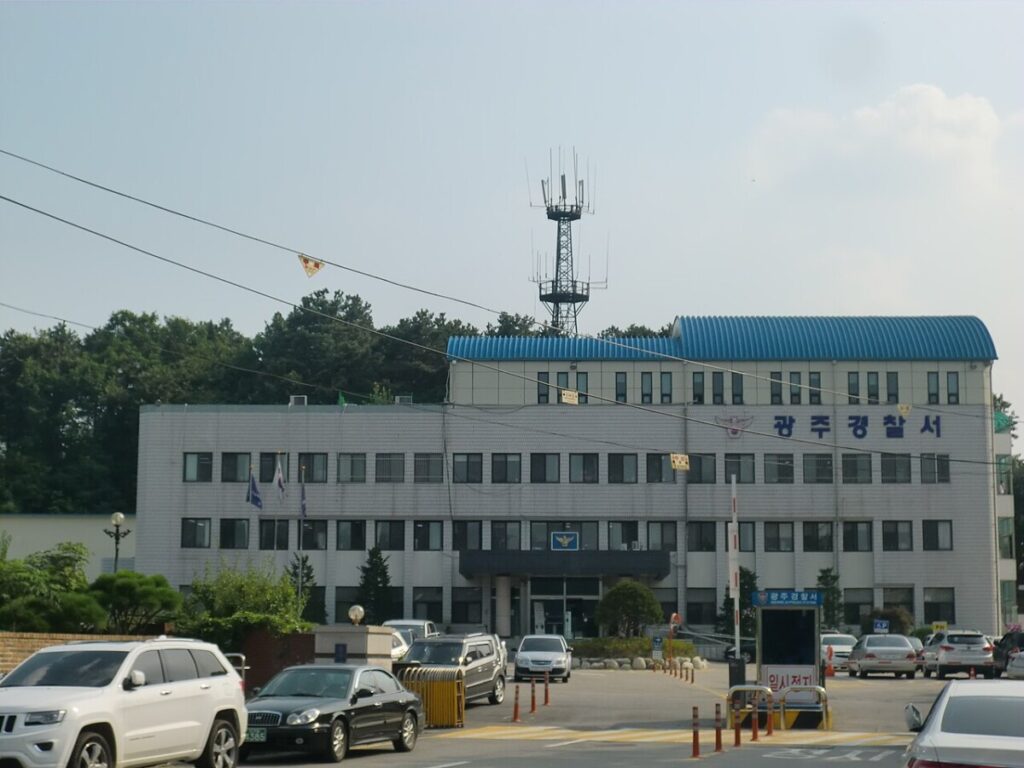
Young Gambling Addicts: Police Vow Action
Officers say the agency and the association “will provide a variety of services to help eradicate youth gambling.” These include pilot treatment programs, free expert consultations, and top-quality legal guidance.
“Youth gambling is not an individual problem. It’s an issue that the whole of society must tackle,” said Hwang Chang-seon, the recently appointed head of the Gyeonggi Nambu Provincial Police Agency.
“We will ensure that the law becomes a fence of protection, not of punishment,” Hwang added.
“Protecting young people’s rights and providing legal support for people who have lost money is an important social responsibility for us,” said Lee Jae-jin, the head of the bar association. “We will provide practical assistance for young people.”
Youth gambling rates are rising fast in South Korea. Last year, police reported a 24x rise in juvenile gambling-related crime in the years 2021 to 2024.
Officers say they arrested 72 children aged 10-13 for gambling violations.
Loan Sharks Target Teens
Police have also reported a sharp rise in loan sharks who target teenage gambling addicts, often charging their “customers” interest rates as high as 30%. Some also charge additional “late payment charges.”
Authorities in the city of Gumi reported that most children with gambling experience had placed their first online bets at age 12. Some say more should be done to prevent young South Koreans from forming gambling-like behavior patterns.
They claim that video games and apps that use casino-like mechanisms are to blame. Critics have also pointed the finger at a rapid growth in unstaffed claw machine centers.
Media outlets report that teenagers frequent these centers late at night, spending over $100 in just 30 minutes.