











Tim Alper iGaming Journalist
Tim Alper is a journalist covering betting news and regulation for CasinoBeats, with a focus on regulatory developments and international markets. He reports on breaking stories across Europe and Asia, including gambling law changes and...
Read Full BioThai anti-gambling advocates have hit out at politicians’ plans to use the lottery to boost local economies, fund small businesses, and generate revenue for the Treasury.
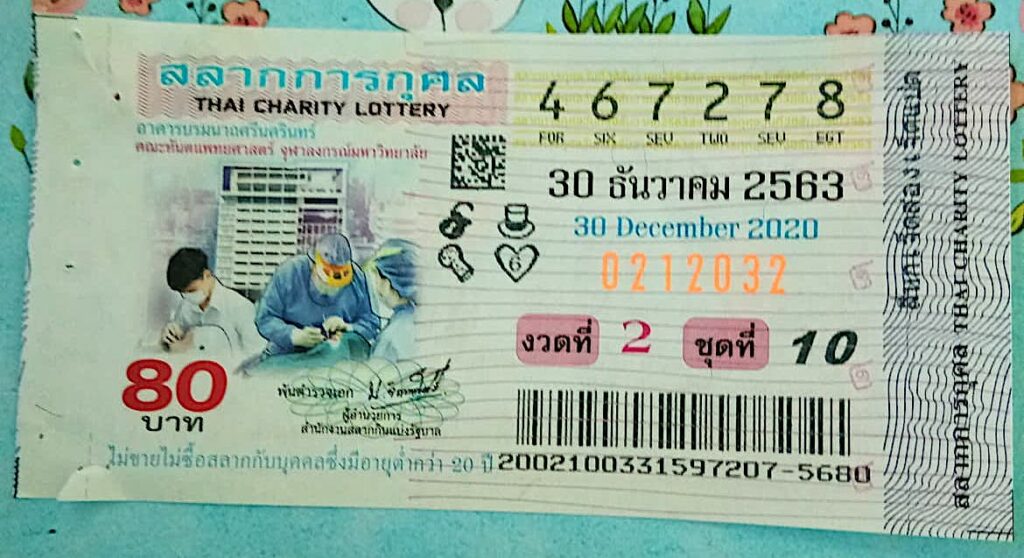
Thais already spend around $8 billion per year on lottery tickets, both legal and illegal, Thanakorn Komkrit, the Secretary-General of the Anti-Gambling Campaign Foundation, told the Thai media outlet Nation TV.
“Playing the lottery is a form of gambling, whether it is a government-run lottery or an underground lottery, or any other type of lottery,” Komkrit said.
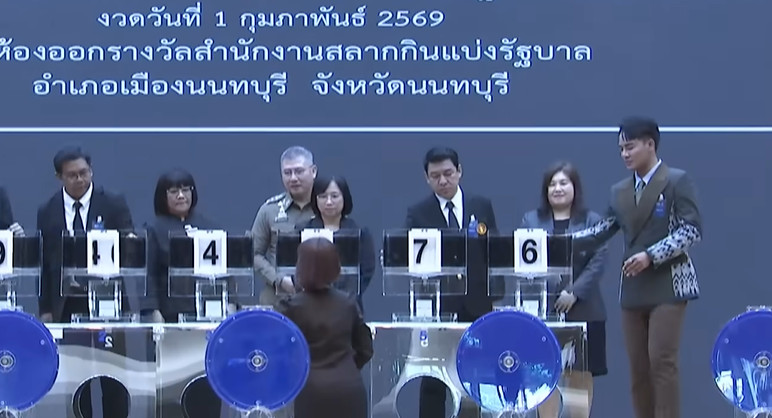
Thailand will head to the polls on February 8 to choose the composition of the country’s House of Representatives. Lawmakers have made a variety of lottery-related pledges in the run-up. These include the Pheu Thai Party, a center-right populist party.
The party has promised to create nine new “millionaires” per day if it wins. This will involve revamping lotteries to ensure nine ticket-holders per day scoop a 1 million baht ($31,700) prize.
Pheu Thai says it will ensure that agriculturalists, pensioners, charity volunteers, and residents who correctly submit their income tax declarations will all be eligible.
Thai Lottery: ‘Millionaire’ Pledges
Komkrit said the foundation had filed a petition to the Thai Election Commission, asking it to investigate dozens of political parties for “promoting populist policies that create debt and undermine fiscal discipline.”
The anti-gambling advocate said the amount of money Thais already spend on lotteries is comparable to the size of investment in a high-speed rail project to connect the country’s three major airports.
The foundation said that in 2023, 27.5 million Thais bought government lottery tickets, with another 22 million buying illegal lottery tickets.
This number is five times higher than the number of Thais who gamble on illegal card games, online casinos, and sports betting, the NGO added.
Komkrit claims that lotteries are already growing by 400,000 new ticket-buyers per year. He added that there has also been a marked rise in lottery ticket-buying in young and elderly populations.
Gambling Addiction Worries
“Over the past 12 years, the number of government lottery tickets printed has increased by nearly 300%, from 36 million tickets in 2013 to more than 100 million tickets in 2026,” Komkrit said. “And this has also led to the growth of illegal lotteries – which are rising at a similar rate.”
The foundation said lottery-playing is habit-forming, with over 5 million Thais saying they are “addicted” to buying tickets.
“If they don’t buy lottery tickets, addicts experience symptoms such as irritability, restlessness, and an inability to resist, ultimately leading them to buy more tickets,” the NGO said.
The foundation called on all Thai political parties to drop their lottery-related pledges ahead of Sunday’s poll.
“Thais have already been battered from all sides by lotteries,” Komkrit said. “Social inequality is a major reason why many Thais put their hopes into lottery tickets.”
Last month, two leading Thai celebrities said their social media accounts had been taken over by online gambling promoters.
In 2025, police accused a couple of recruiting Thai children to work as money mules for online casino operators.