



The Russian Ministry of Finance’s plan to legalize online casinos could pay dividends in major cities, but poses a threat to remote regions, says a leading psychologist.
The Russian media outlet Gazeta.Ru reported that the comments came from Natalia Ryabova, a clinical psychologist at the Be Healthy clinic and the Onkologica medical foundation.
“In more economically vulnerable regions, lower income levels increase the level of risk,” Ryabova said. “These areas have weaker monitoring systems and prevention infrastructure. They also have limited access to quality medical and psychological care. […] In such conditions, even with formal legalization in place, a strong illegal sector could thrive, and addiction rates may rise.”
Ryabova said that parts of the North Caucasus region, Siberia, and the Russian Far East were particularly vulnerable. She also said residents in many single-industry towns could be at risk.
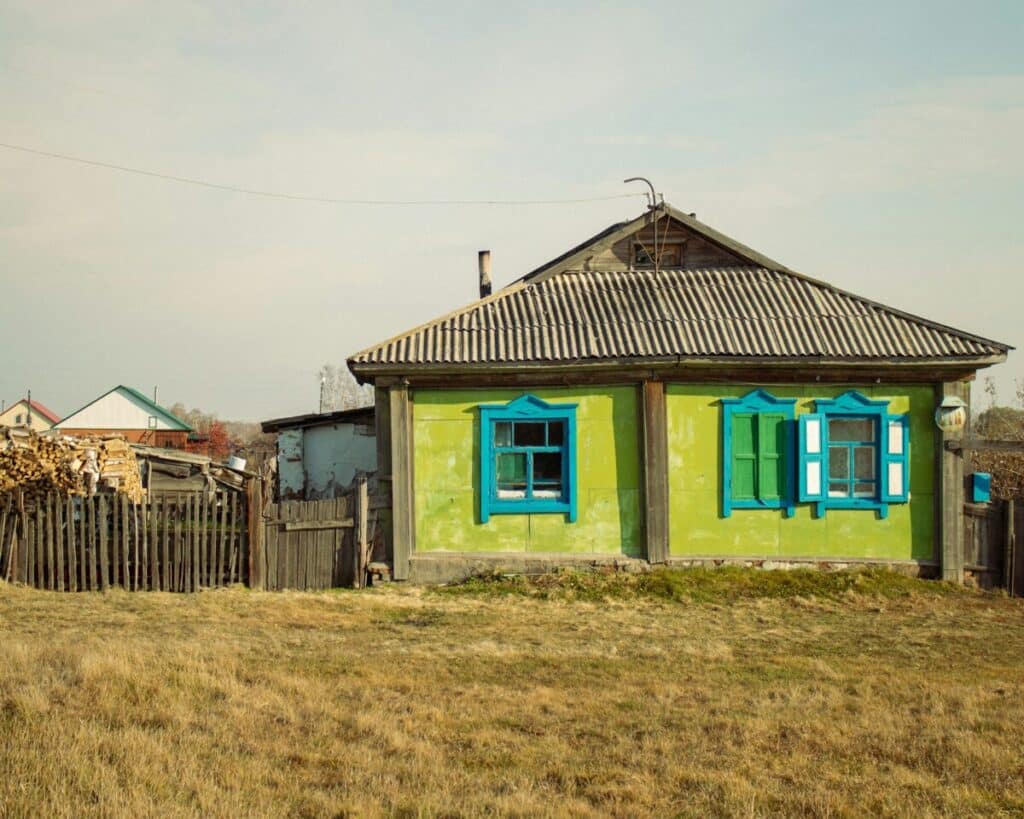
Russian Regions at Risk?
The psychologist said case studies from the global gambling industry could help if the Kremlin decides to push ahead with legalization plans.
“There are telling examples where legalization has helped partially control the problem of gambling addiction,” said Ryabova. “For example, in the UK, mandatory player identification protocols, betting limits, self-exclusion systems, and behavioral monitoring have helped identify problem gamblers at an early stage and restrict their access.”
Similar programs have enjoyed success in Sweden and Denmark, she added.
And Ryabova said wealthier Russian regions may succeed in efforts to put the same kind of checks and balances in place.
“Theoretically, this approach could work in large and economically developed regions such as Moscow, St. Petersburg, Tatarstan, and the Sverdlovsk region,” she explained.
Ryabova said these regions “have a higher level of digitalization, financial control, and access to healthcare.”
This could help with addiction prevention drives and treatment programs, she said.
The psychologist said: “Russia is an extremely heterogeneous country in terms of income […]. As such, a single model of control may yield different results in different regions.”
Online Casino Tax Windfall
The ministry’s proposal involves launching a single, unified gambling regulator.
It also calls for permit-holding online casino operators to pay taxes equal to at least 30% of their annual revenues, minus winnings payouts.
The proposal’s supporters estimate that the measure could generate approximately 100 billion rubles (over $1.2 billion) worth of tax revenue per year.
Advocates also say the move would reduce the size of Russia’s illegal online casino market, but many lawmakers strongly oppose the plan.
Earlier this year, a senior member of the Russian Communist Party called on the Kremlin to reject the ministry’s proposal.
The Communist Party official said that the health of the nation and the well-being of Russian families were “more important than boosting dubious tax revenue streams.”