


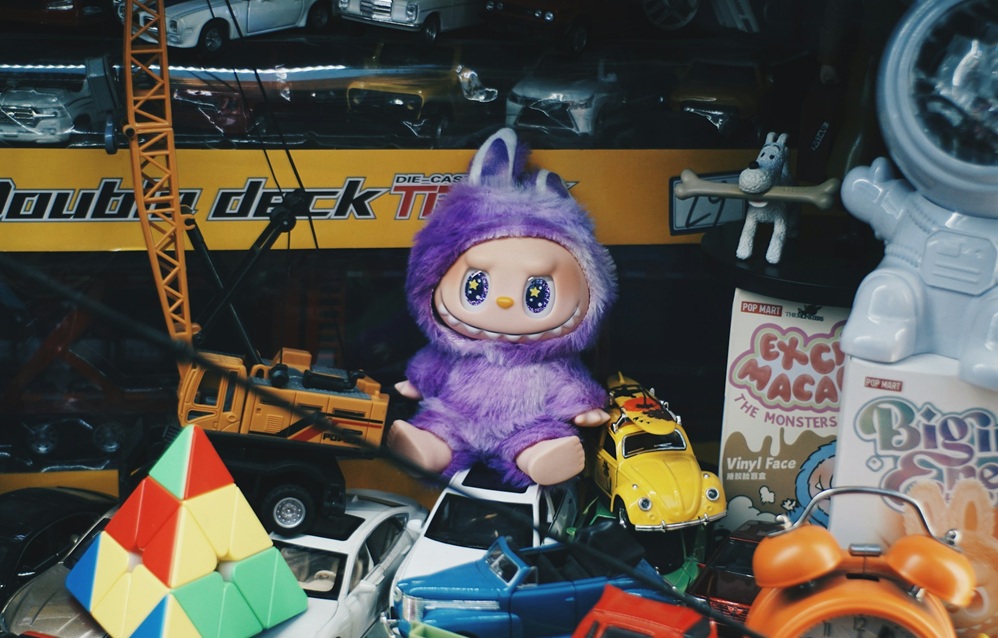
A slew of Chinese media outlets have decried a sharp rise in “gambling-like” lucky box offerings on e-commerce platforms.
The offerings, also known as blind boxes, are typically sealed packages containing random collectible items, such as limited edition toys.
China has strict gambling laws. But courts in the country currently have limited power to crack down on retail marketing campaigns that make use of gambling-like mechanisms.
Currently, Chinese prosecutors appear to be loath to tackle certain e-commerce platforms head-on. The rise in related news stories, however, suggests that the tide may be turning.
Lucky Box Controversy: China Crackdown Incoming?
This week, the Yangtze Evening Post (via Jimu News) interviewed several citizens who claimed to have become “addicted” to buying lucky boxes.
One of the interviewees said he had spent 1 million yuan ($140,863) on lucky boxes over the past three years.
The same interviewee stated that his out-of-control spending habits had driven him into debt. Eventually, he said, he was forced to close down his clothing store.
The same media outlet explained that many lucky box sellers are themselves “professional blind box scalpers who buy from popular retailers like [the Labubu doll-maker] Pop Mart.”

Others are individual resellers who buy unopened lucky boxes from official stores and sell these for a small markup on peer-to-peer sales platforms.
An experienced lucky box trader named Lan explained that would-be buyers can preview prize pool items and their market prices beforehand.
But they cannot discover what they have bought until they have paid for the box. Lan said that the price of the lucky boxes “is set at the seller’s discretion.”
The boxes typically retail for between 30 yuan ($4.22) and 200 yuan ($28.14). But players know that the boxes “might contain a common item costing 20 yuan ($2.81), or could contain a very rare item worth thousands of yuan.”
‘It’s Too Easy to Get Hooked’
Lan explained that many players who get lucky with their first few purchases tend to quit while they are ahead. But those who fail to land the prize they are after are more likely to try again until they land a valuable prize, she added.
Lan admitted that she herself had become “hooked” on lucky boxes. She said: “I have probably spent tens of thousands of yuan on these boxes. My losses amount to at least 30,000 yuan [$4,219].”
She asserted that she had developed a “gambler’s mentality” that gradually worsened over time.
One of the most popular lucky box sales platforms (unnamed in the report) told the media outlet: “We have always strictly abided by industry standards, laws, and regulations.”
Zhang Yonghui, a senior partner at the law firm Zhejiang Tiequan, said that lucky box trading “cannot be directly classified as gambling yet.”
And Zhang added that Chinese law stipulates that gambling involves “the winning or losing of money through games of chance.”

Qiandao: In the Firing Line?
Many outlets have begun openly pointing the finger of blame at Qiandao, China’s biggest trendy second-hand toys and collectibles platform.
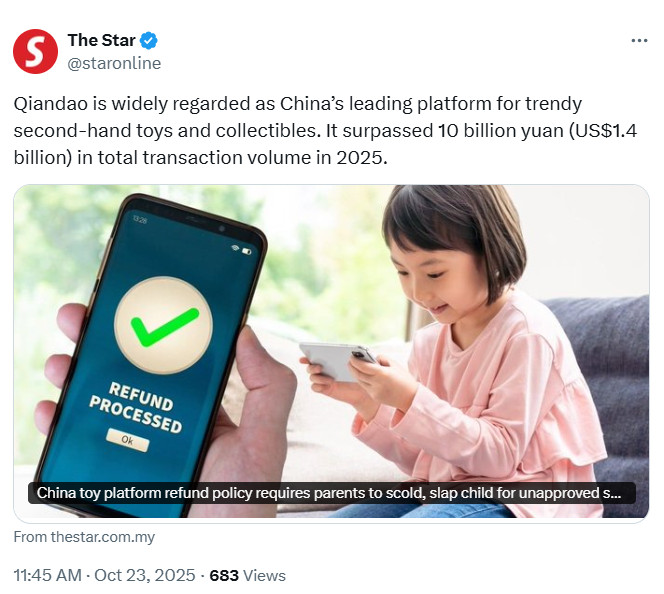
On October 29, China Newsweek (via Sina) quoted another self-professed Qiandao lucky box addict as stating: “I know this is a gambler’s mentality. The more you lose, the more you want to win back your losses. Even when you know you have a problem, you still can’t resist the urge to buy more. People no longer simply like the toys they buy; they enjoy the thrill of winning.”
In another recent article, the Southern Metropolis Daily wrote that lucky box games are now “crossing the line into the world of gambling.”
The media outlet said it was now “clear” that Qiandao’s lucky boxes were “not a normal business model.” It added that the model uses “lottery-like probabilities” and other methods that “constantly reinforce customers’ gambling instincts, stimulating their purchasing behavior and stoking a speculative ‘high-risk, high-reward’ mentality.”
The newspaper concluded with another assertion that the mechanisms behind the boxes “reveal a business model that is remarkably similar to gambling.”
The comments follow on the heels of a June report on lucky boxes from the People’s Daily. The report warned of an “out-of-control consumption” of lucky boxes among younger citizens. It said that many people had developed an “addiction” to the offerings.
The People’s Daily is the official newspaper of the Chinese Communist Party. Its editorial comments broadly reflect the thinking of the country’s key policy-makers.
In recent months, Chinese police say they have been cracking down on a range of quasi-gambling activities. These include a carp fishing pond in Jiangsu Province, where patrons were illegally rewarded with cash prizes if they caught elusive “lucky” fish.