


Melinda Roth teaches business, financial, and sports law at Washington and Lee University School of Law and has previously written papers on sports betting.
When Kalshi won the right to offer election markets, she predicted it would not be long before the company launched into sports markets. If she had been able to wager on that at the platform, she would have won money. Seeing an emerging industry, she began writing about prediction markets and has an article awaiting publication on the topic.
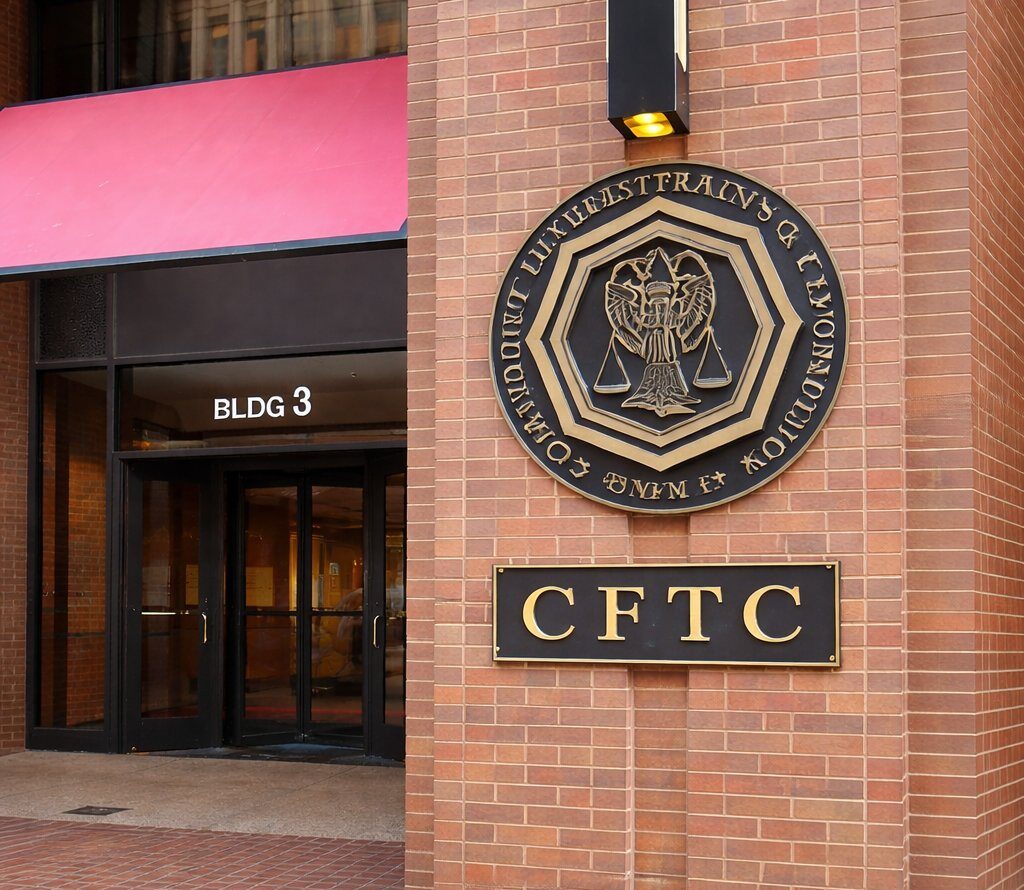
The publication puts forward the “controversial” view that the Commodity Futures Trading Commission (CFTC) is the appropriate regulator for sports event contracts.
That opinion is controversial, according to state gambling regulators at least, who claim they have authority over sports betting and that companies like Kalshi are encroaching on their turf while not paying state gambling taxes.
Follow The Money
“Everyone has a vested interest,” Roth told CasinoBeats in an interview this week. “At the end of the day, you gotta follow the money, and that’s why the states are engaged in this.”
States where gambling regulators have agreements to receive a direct share of sports betting revenue have been particularly aggressive against prediction markets. New York, which takes 51% of sports betting revenue in state taxes, has also stepped up its legal fight against operators.
“The argument from the states is, ‘We have legislation, we have a system, and we’re receiving significant revenues. And with this parallel product, we’re not receiving anything,'” said Roth.
States, however, have not done a very good job at regulating sports betting, claims Roth. After PASPA was struck down in 2018, a patchwork system emerged.
“Patchwork is the perfect word to use to describe the state laws. In some you can bet online, some you can be 18 (a few), some you can use a credit card, some have dedicated resources toward problem gambling. Every state has done it slightly differently. Many states went back to try to increase the initial taxes that they charged when they saw that New York was charging 51%; many states felt like they left a lot of money on the table.”
Roth takes a different view on the debate over whether sports prediction markets are gambling.
“When I look at all of that, I think, what do I care about? What should we care about? We should care about the fact that we are allowing adults to make choices and not trying to take away those choices from them.”
She admits that with legalized gambling, there are negative consequences, but “the state laws don’t really address those negative consequences because they do it in such a piecemeal way.”
“And so even before prediction markets were a thing, I thought that we needed some kind of clearinghouse, if you will, because each state doesn’t talk to the other state in this framework.”
The CFTC could be that clearinghouse that will oversee regulations across all states, but that would take away state sovereignty and undermine the freedom for states to reject gambling.
Are Sports Prediction Markets Complicating The Problem?
“I think that’s the exact right question to ask, but I think it’s a false narrative to say the states are better and therefore prediction markets need to be regulated by the states. I think it’s the right question to ask, and I think that hopefully in the rulemaking, the CFTC realizes that they need to have clearer rules.”
Part of those rules could be restricting the expansion of sports markets. DraftKings openly expressed its desire to launch microbets on its prediction market platform.
For many, that may cross a line.
“As an event contract becomes more granular, the hedging and price discovery sort of qualifications that the CFTC has around all of its products becomes a harder argument to make,” admits Roth.
“You could make the argument that if Washington wins, it’s great because then the bars are going to be filled around the stadium and, you know, people are happy and it boosts sales of jerseys and tickets, and you can argue there’s an economic outcome. It’s a much weaker argument the more granular it becomes.”
Protecting Sporting Integrity is Key
“There’s also the argument about manipulation,” Roth adds. “When you have an event contract that can be manipulated by one person, either saying a specific word in a speech or pitching the ball, I feel like we need to think through whether those are actually investment products.”
Microbetting at sportsbooks has also come under scrutiny. Ohio agreed with the MLB to limit the stakes on microbets amid allegations that two Cleveland Guardians pitchers deliberately threw pitches to influence betting markets. New Jersey lawmakers are also considering a ban on the bets.
“The biggest concern in allowing sports betting for many people is the integrity of the game. That’s what we all care about,” Roth said.
The aim is to avoid repeats of the Cleveland scandal, says Roth. “Whether it’s sports betting or prediction markets, that needs to be addressed. So, you know, on the micro-betting or prop betting side, clearly there are issues.”
Player unions have requested that the CFTC prohibit prop markets on prediction market platforms to protect sporting integrity and prevent athlete abuse.
“If the CFTC looks at the issue at a very high level, they may see that some compromise might be in order, right?” says Roth. “In order to enlist more people, more of the different vested interests to support the rulemaking that they are going to do, they may ban micro-event contracts, they may also raise the age limit.”
One Message for CFTC
However, it is not these things that concern Roth. The professor submitted a comment to the CFTC when the organization invited the public to comment on its rulemaking process.
If she could tell the regulator just one thing, it would be: “Please do not allow margin trading,” says Roth. “Because I think that is where—that is what could go very badly for those that don’t have the cash and the money in their accounts to partake in ‘investing’ in these instruments.”
Margin trading is the process of using borrowed money from a broker to purchase financial assets. If used for trading on sports markets, that would be a “recipe for disaster,” according to Roth.
What’s Next for Prediction Markets?
Prediction markets have recently formed several partnerships with sports leagues, further cementing their presence in culture and society.
“We’re going to see these products even more than what we’re seeing them now,” claims Roth. “It’s just going to keep on increasing in terms of scope of the products, amount of volume, and the number of people participating as they become more and more mainstream.”
What about all of the legal battles?
“Whatever happens with all of these states—it’s almost 20 different states now, where there are different lawsuits at different points in time. Some of them are a little bit more advanced, where we’ve already had federal courts. But you know much of the litigation is occurring in state court because that’s where the states want it to happen, because it’s likely to be a more favorable result for them. So I do think that the Supreme Court is eventually going to see this.”
Fellow lawyer and friend Daniel Wallach estimates a 70-80% chance that the Supreme Court will side with state regulators. Roth says it is more of a coin flip.
“I don’t know how he could possibly know that,” Roth says. She and Wallach often debate the topic. “First of all, it’s not yet before the court, so we don’t know when it’s coming; it’s at least a year-ish. It is also possible that the composition of the court changes. It is also possible that just because of how they rule in PASPA doesn’t necessarily indicate how they will rule here.”
With at least a year or two before the Supreme Court issues a ruling, Roth predicts that prediction markets will expand in the interim. Although she says more states may follow the example of Nevada and ban operators.
“I think there can be more of that where we see states actually winning in court and potentially banning the platforms,” Roth said. “There may be different strategies taken by, I would almost call them monopoly powers, FanDuel and DraftKings on the sports betting side—they control about 70% of the sportsbooks. You may see them changing strategies and starting to offer sports-event contracts even in states where they have legalized sports betting. So we could see things changing and happening before we get to a point where we have CFTC rules, or we have the Supreme Court review.”