


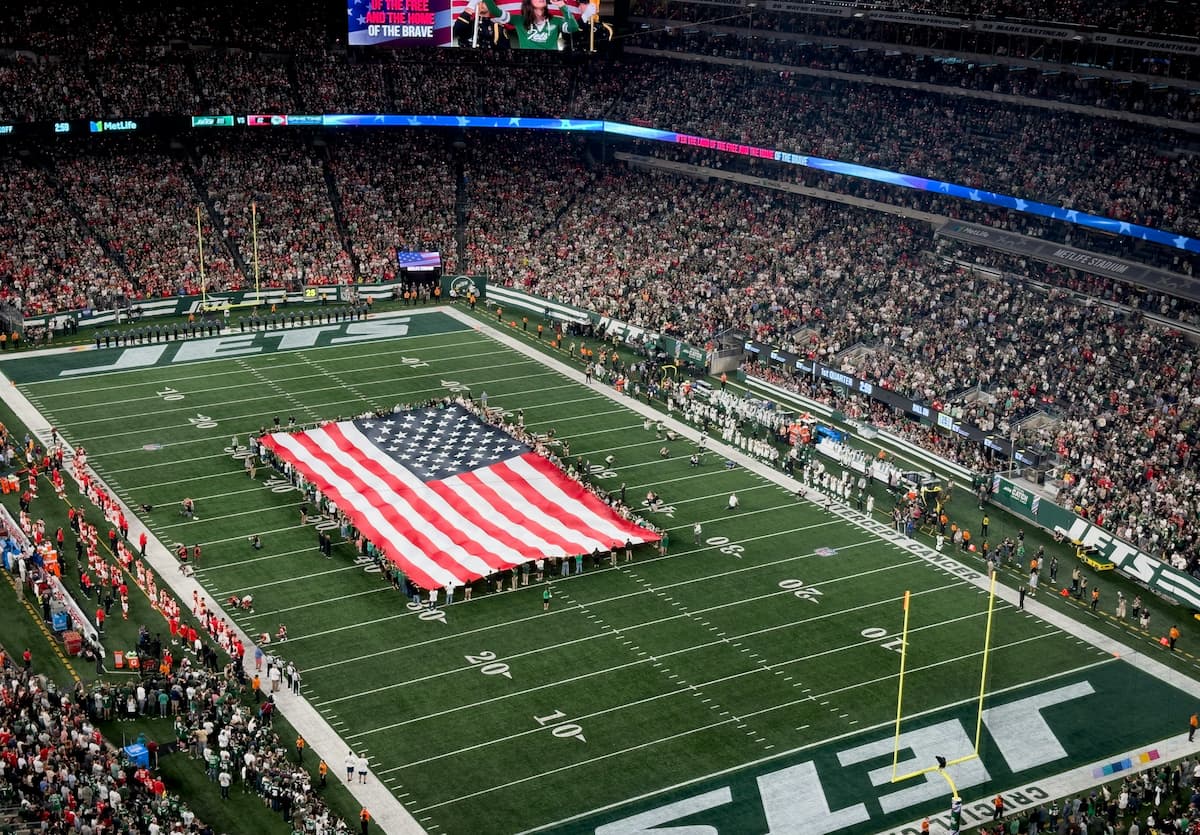
Prediction market platform Kalshi is set to expand the markets offered on NFL and NCAA games for the upcoming football season, following the self-certification of point spreads, totals, and touchdown prop betting.
The platform has faced increasing legal challenges in recent court battles in Maryland and Nevada, with a case also pending in New Jersey. A total of seven state regulators issued cease-and-desist letters to the company over the expansion of sports markets.
States argue that Kalshi is offering unlicensed sports betting, and the decision to provide the new markets is likely to add to that belief.
Expansion of Sports Markets is Natural Progression, Says Kalshi
The new markets have not yet appeared on site, but Kalshi posted self-certifications for the contract types with the Commodity Futures Trading Commission (CFTC).
“This is a natural progression in our offerings, and clearly there’s huge consumer demand,” Kalshi spokesperson Sara Slane said. Kalshi has traded over $2 billion on sports markets since offering them in January of this year.
CEO Tarek Mansour commented: “Bringing these markets under CFTC oversight gives consumers the same level of protections as Wall Street traders and institutions.”
The CFTC has so far declined to make any judgment on sports markets, despite calls from sports leagues, state regulators, and tribal groups. The organization continues to await the appointment of a new chair, with growing opposition to Donald Trump’s nominee Brian Quintenz, who is also a serving Kalshi board member.
Kalshi Contradictions Used Against Company in Court
Kalshi has argued in court that its markets differ from sports betting because they have “real-world financial consequences.” However, this position may become increasingly difficult to justify as markets expand.
Opponents have highlighted the inconsistency of Kalshi’s position that the company does not offer sports betting. A lawsuit filed by tribal groups in California noted: “Kalshi has published advertisements asserting itself as ‘The First Nationwide Legal Sports Betting Platform’ and that its customers can engage in ‘Sports Betting Legal in all 50 States on Kalshi.’”
Additionally, when amending the Commodity Exchange Act (CEA) in 2010 to clarify what markets may be offered under the regulation, Senator Blanche Lincoln said: “It would be quite easy to construct an ‘event contract’ around sporting events such as the Super Bowl, the Kentucky Derby, and Masters Golf Tournament. These types of contracts would not serve any real commercial purpose. Rather, they would be used solely for gambling.”
Lincoln has now signed on as a lobbyist for Kalshi and contradicted her earlier statement in a letter to the CFTC calling for the regulator to allow the sports markets. She wrote last month: “Sporting events like the Super Bowl also have strong commercial value because they have major impacts on advertising, apparel sales and the hospitality industry to name a few.”