


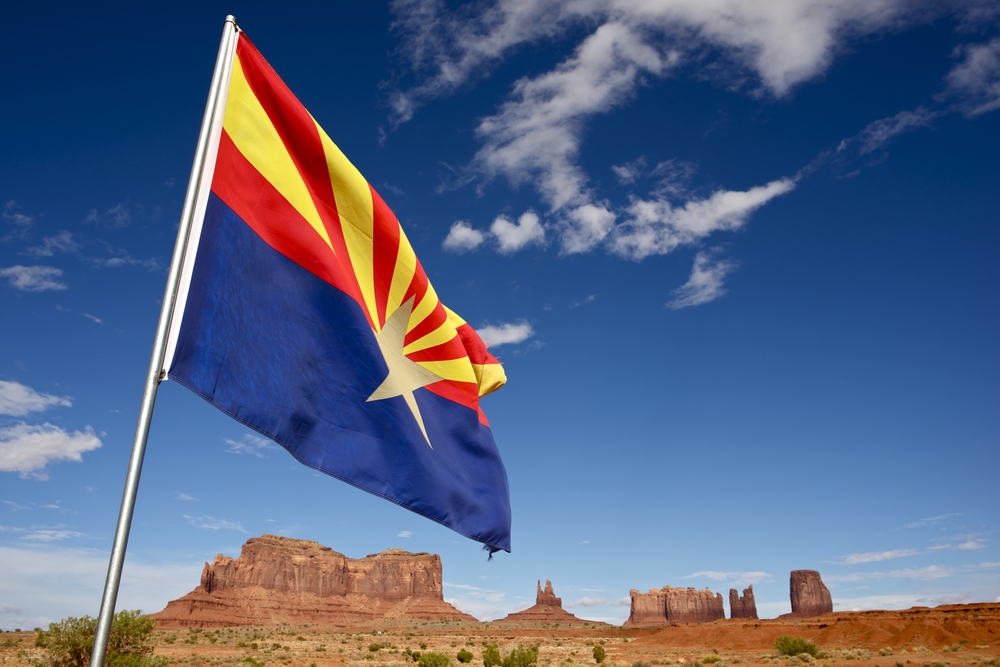
Arizona’s Department of Gaming (ADG) has warned sportsbooks licensed in the state about operating or collaborating with prediction market platforms.
In a letter sent to licensed operators, ADG Director Jackie Johnson strongly warns companies that “offering or selling event contracts to persons located within Arizona without a license from the Department violates Arizona law.”
The letter goes on to say that “even if the licensee is not associated directly with the offering or sale of event contracts to persons in Arizona, its relationship with other persons or entities and conduct in other jurisdictions remains at issue.”
The ADG includes a letter that it sent to the Commodity Futures Trading Commission (CFTC) in June. In that letter, the ADG similarly stressed that it views sports prediction markets as sports betting. In addition, it sent cease-and-desist letters to Kalshi, Crypto.com, and Robinhood in May.
Despite this, the companies have not only continued to offer markets, but have also been rapidly expanding the range of markets on site. The new NFL season has brought parlays, totals, point spreads, and player prop betting.
Kalshi, Robinhood, and Crypto.com have responded to cease-and-desist orders by filing counter lawsuits in Nevada, New Jersey, and Maryland. However, no such action has been taken in Arizona. The companies appear to be simply ignoring the order.
Ohio Sends Similar Warning to Sportsbooks
The ADG attempts to dissuade betting companies from launching their own prediction market platforms or teaming up with established operators. It notes that it “may deny, revoke, or suspend licenses.”
The Ohio Casino Control Commission sent a similar warning to companies last month. The regulator focused on platforms launching within the state, writing, “The Commission will consider a licensee’s choices to associate with a company operating illegally in this State and may take administrative action against any licensee that does.”
Like Arizona, it also said that even if a sportsbook were to exclude Ohio residents from the markets, it would not alleviate concerns.
Sportsbooks Consider Launching Prediction Markets
The warnings come at a time when many gambling companies are seeing the expansion of prediction markets and contemplating how to respond.
Underdog has teamed up with Crypto.com to offer a combination of DFS and prediction markets in 16 states, but not Arizona or Ohio. The company offers a limited version of its DFS products in Arizona after the Attorney General declared against-the-house games illegal.
FanDuel has struck a deal with prediction market platform CME, but has stated that it has no immediate plans to offer sports markets through the partnership.
Meanwhile, DraftKings continues to make noise about entering the space. It has reportedly held talks with Railbird, which is licensed by the CFTC, but has not committed to any partnership.
In a recent investor meeting, the company said if it launches prediction markets, “it would most likely operate in states only without legal sports betting and would turn off the product if a state legalizes sports betting.”
Arizona’s warning means that simply turning off the product in the state may not be enough to satisfy the regulator.
For now, DraftKings notes that prediction markets have not made a major impact on its operations. The company stated, “There has been no impact from the existing prediction market operators in states with a legal framework”.
If companies such as Kalshi continue to expand, then it presents a dilemma for DraftKings and FanDuel. Do the leading sportsbooks sit back and watch as customers turn to prediction markets, or do they risk losing their licenses to maintain dominance in the sports betting market?