

A gambling magnate who runs one of the largest video gambling terminal (VGT) operators in Illinois is launching his bid to become governor of the state.
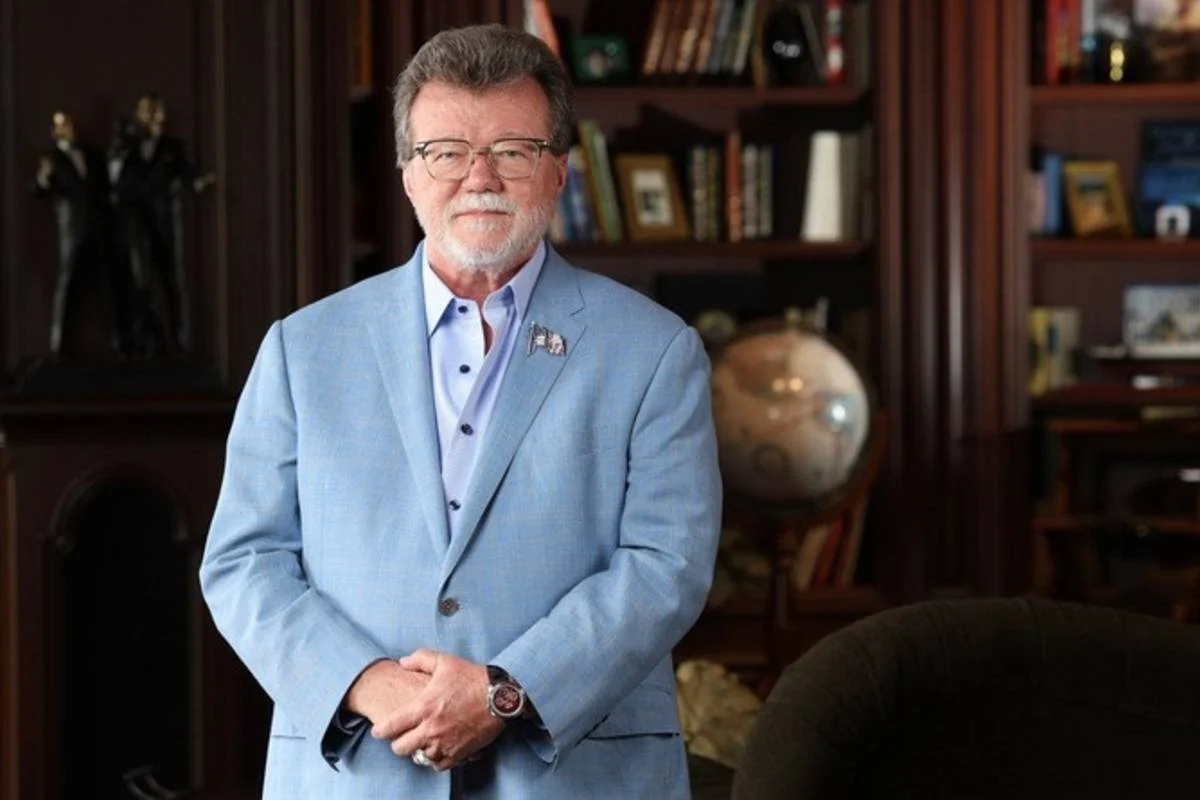
Rick Heidner, 65, a real estate developer who also owns Gold Rush Gaming, has formed a gubernatorial campaign committee to seek the Republican nomination. The filing with the State Board of Elections was made on Tuesday, with just over 12 days to go until the deadline.
Gold Rush Gaming is the third-largest VGT operator in Illinois. The company’s terminals can be found in almost 800 venues, including bars, restaurants, and gas stations throughout the state.
VGTs recently toppled the Illinois state lottery as the largest provider of gambling tax revenue to the state. Last fiscal year, the lottery generated $789 million in tax revenue from $3.76 billion in sales. Meanwhile, VGTs provided $871 million in tax revenue, taking the number one spot for the first time.
Heidner Entering Fierce Contest
As well as gambling, Heidner’s real estate company manages more than 280 properties. They include the gas station chain Ricky Rockets Fuel Center.
Heidner has been a frequent donor to both the Republican and Democratic parties in Illinois over the years. In 2022, he contributed to Republican Richard Irving’s unsuccessful bid for the governorship and has also donated to Democrat Chicago Mayor Brandon Johnson. However, for his own potential political career, Heidner will bid to run on the Republican ticket.
The campaign will see him enter a tight contest with several other candidates. They include conservative think tank president Ted Dabrowski, former DuPage County Sheriff James Mendrick, and former senator Darren Bailey, who was nominated as the Republican candidate for the 2022 gubernatorial election.
In contrast, the Democratic primaries are likely to be far less closely contested. Incumbent governor JB Pritzker, a billionaire heir to the Hyatt hotel fortune, will likely run unopposed. Pritzker will be seeking a third consecutive term as governor of Illinois.
Heidner Poaches Bailey’s Campaign Chief
To head his campaign, Heidner has appointed Brent Corrigan as its chairman, a former close ally of Bailey. Corrigan left Bailey’s staff over a human resources issue. Still, in recent weeks, the two appeared to have reconciled, with a political action group chaired by Corrigan funding Bailey’s campaign launch event.
However, with Corrigan now switching sides to Heidner, the race could remain wide open. So far, Heidner has donated $1 million to his own campaign. Still, with Pritzker spending over $300 million on his first two gubernatorial campaigns, he may need to reach further into his pockets to secure the governorship.
Regulated gambling options in Illinois include casinos, racetracks, licensed video gaming locations, and online sportsbooks. While there has been movement toward expansion, a gambling magnate as governor is unlikely to alter that baseline fundamentally. Pritzker himself is no stranger to a wager, either. He recently declared $1.4 million in gambling winnings from a Las Vegas trip.
Chicago’s Own Gambling Debate
While the state’s video gambling industry grows — and produces record-high tax revenue — Chicago remains divided on whether to allow VGTs inside city limits.
In September 2025, the Chicago City Council’s License & Consumer Protection Committee narrowly approved a measure that would permit video gambling terminals in as many as 3,500 venues, including restaurants, hotels, theaters, and bowling alleys. Proponents estimate they would generate $60–$100 million in annual tax revenue.
Mayor Johnson opposes the proposal. He argues that VGT legalization could cannibalize Bally’s planned $1.7 billion downtown casino. Also, they would yield only modest revenue gains, as cited by a city-commissioned study that estimated roughly $10 million a year.
Instead, Johnson’s administration is pursuing a 10.25 percent city tax on sports-betting revenue as part of his 2026 budget plan. The mayor projects that the proposal will generate approximately $26 million annually.
Johnson’s tax hike has sparked pushback in Springfield. Lawmakers immediately introduced House Bill 4171 to block cities from imposing local sports-betting taxes. They assert the state should retain exclusive control over gambling regulation and taxation. That could lead the mayor to support VGT expansion to close budget gaps.
For Heidner, whose business depends on statewide VGT rules, Chicago’s split signals the broader debate awaiting any Illinois governor: how to balance revenue needs, local politics, and public discomfort with expanded gambling.