

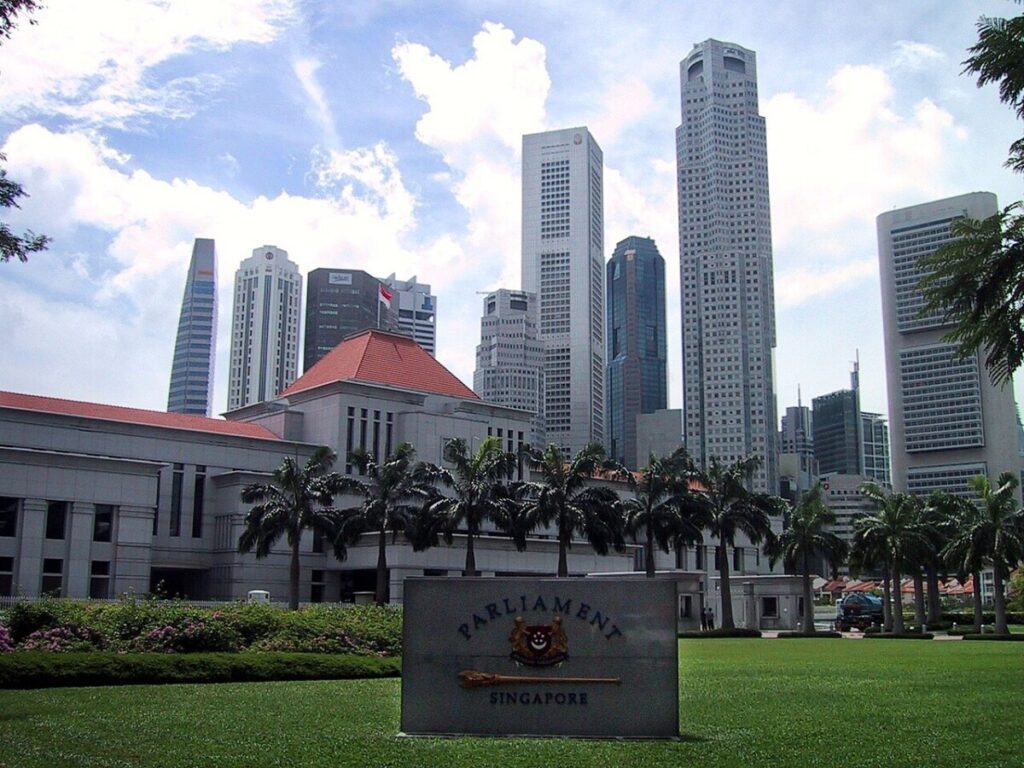
Singapore’s government says it will regulate trading card and collectible toy blind boxes, also known as mystery boxes, in a bid to fight gambling addiction.
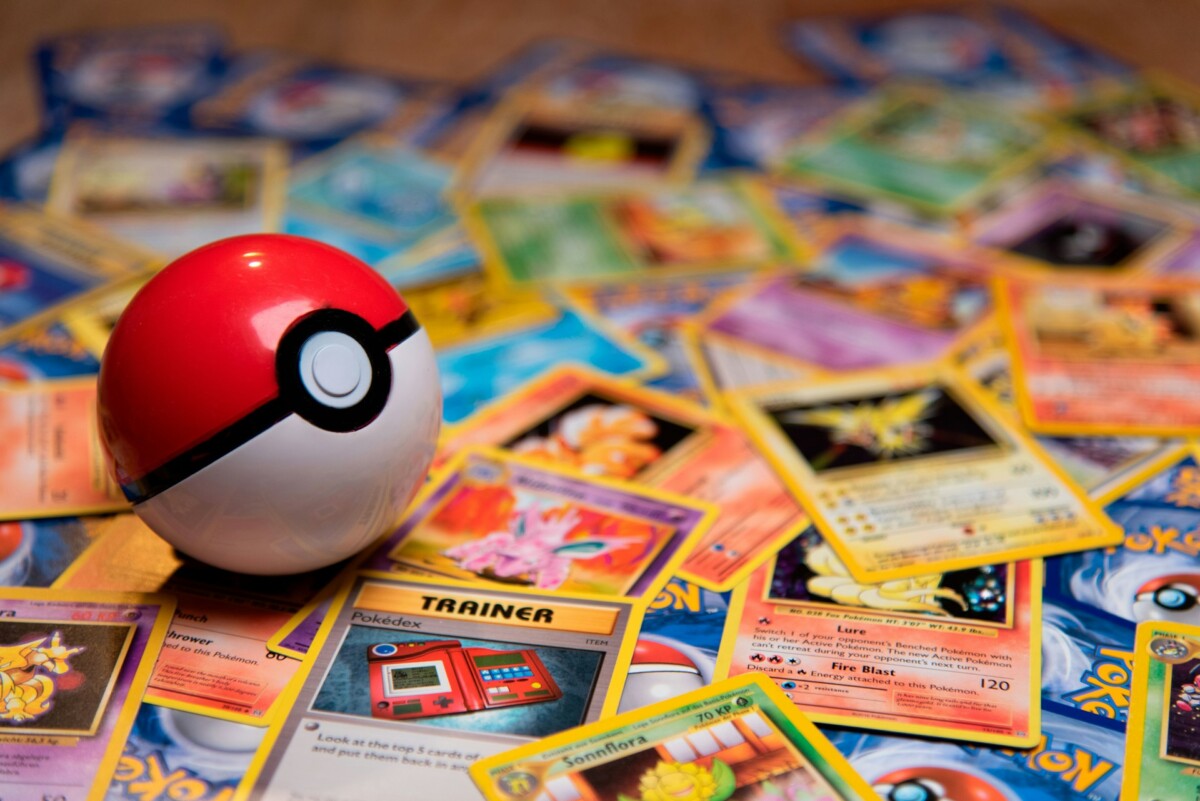
The Ministry of Home Affairs and Singapore’s Gambling Control Bureau say new regulations will regulate the sales of blind box items. This will “include trading card packs such as Pokémon,” the Singaporean newspaper Lianhe Zaobao reported.
Blind boxes are sealed packages containing collectible toys, figurines, or cards. Their contents are undisclosed to would-be buyers, so they could contain either common or rare items.
The ministry said its move would “mitigate the risk of inducing [citizens] to gamble.” It refused to reveal more details of the new regulations. Instead, it said it was working with the regulator on “drafting the regulations.”
“We will share more details when we are ready,” the ministry told Channel News Asia. “We will also share the expected implementation timeline in due course.”
Singapore Blind Boxes: Regulation Incoming
In December 2024, Singaporean legal experts said there were parallels between blind box buying and gambling.
“If you look at this whole concept of a mystery box, it is actually a very minor – or maybe some people will say harmless – form of gambling. But it is what it is. It is gambling,” the lawyer Samuel Yuen told the same media outlet.
The Home Affairs Minister, K. Shanmugam, has previously told lawmakers, who have also called for regulations, that vendors may be forced to disclose the likelihood of landing rare items in their blind box offerings.
Multiple Singaporean media outlets reported that the global blind box market was estimated to be worth $11.38 billion in 2021. That figure is reportedly projected to double by the end of 2033.
Singapore is unlikely to be the only country rolling out blind box regulations this year. The subject has become increasingly contentious in China.
Experts in the Middle Kingdom have warned of a sharp rise in gambling-like methods used by e-commerce sites that specialize in blind-box offerings.
Last year, senior lawyers said that lucky box trading “cannot be directly classified as gambling yet” in China. But they suggested the tide may be turning.
Asian Claw-Machine Controversies
Government bodies across Asia are expressing similar concerns about claw machines, also known as crane machines.
After a survey found 94% of Thai children were spending money on claw machines, the country’s government moved to reclassify the machines as a form of gambling equipment.
South Korean local governments have also threatened to act against a rapid increase in unstaffed claw machine centers across the country.
Critics have urged Seoul to act. Reporters provided evidence that some teenagers regularly spend up to $100 per day at these centers.