










Chavdar Vasilev Journalist
Chavdar Vasilev is a journalist covering the casino and sports betting market sectors for CasinoBeats. He joined CasinoBeats in May 2025 and reports on industry-shaping stories across the US and beyond, including legislative debates, market...
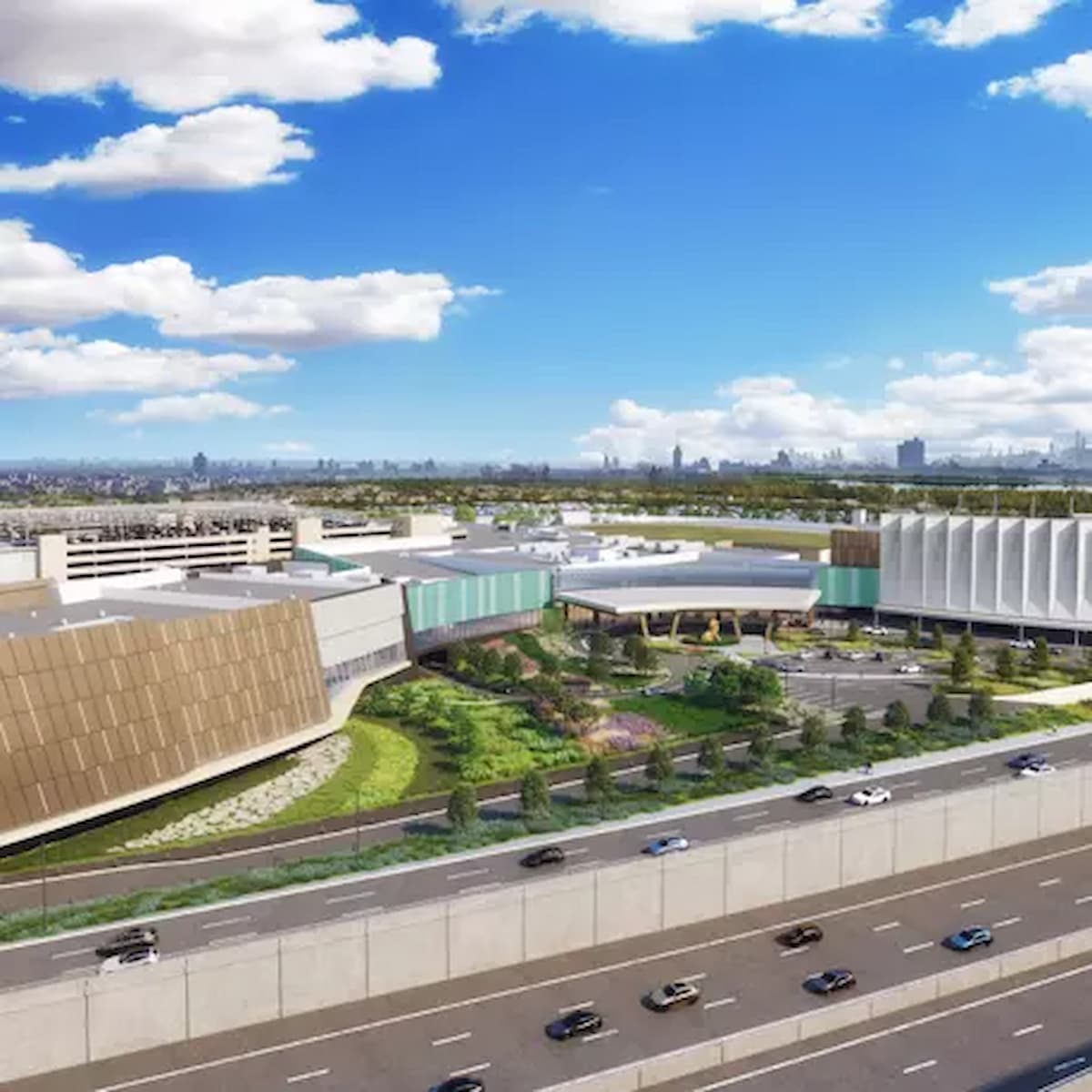
Read Full BioMGM Resorts used a recent appearance on NY1’s Inside City Hall to provide a more detailed vision for its $2.3 billion plan to transform Empire City Casino in Yonkers into a full-scale resort.
MGM Northeast Group President Louis Theos spoke at length about the project. That included the revelation of elements not mentioned at last month’s Community Advisory Committee (CAC) hearing.
Empire City is one of eight casino bids vying for three available downstate New York casino licenses. Currently, the licensing process is in the CAC hearing stage. At this stage, local panels hold public meetings and weigh whether each project aligns with community interests.
New Details From Inside City Hall
The MGM CAC presentation emphasized the speed of delivery, education funding, and the creation of thousands of jobs. Now, Theos used the NY1 appearance to go deeper:
- Horse racing preserved: “It’ll be part of the whole casino complex. So, it’ll stay where it’s at and of course it’ll remain open,” Theos said of Yonkers Raceway, underscoring MGM’s partnership with the Standardbred Owners Association.
- No housing plan: Theos noted MGM would not pursue residential development on the site, unlike rivals. “We fit well into the community that exists … 125 years as a racetrack and 20 years now as a casino facility”.
- Revenue growth: Current gross gaming revenue is about $600 million, which MGM “hopes to almost double” with a full license.
- Entertainment pipeline: He pledged to bring Las Vegas–caliber residencies and major acts to a planned 5,000-seat venue, tying Yonkers into MGM’s national and international circuit.
- Customer base: MGM states that over three million MGM Rewards members reside within a 200-mile radius of Yonkers. The company sees the pool as central to its strategy of “repatriating” New Yorkers who currently gamble in Connecticut and Pennsylvania.
- Jobs and unions: Empire City employs approximately 745 staff, with 80% of the staff unionized. MGM expects to add 2,000 permanent jobs, with the share of Yonkers residents (currently 35%) expected to remain steady or rise.
- Community commitments: The project will include capturing “up to 94% of the stormwater” on-site, financing additional police, and zoning already in place for a potential second-phase hotel.
- Responsible gaming: MGM cited its global partnership with GameSense, 125 trained ambassadors at Empire City, and both state and company exclusion programs.
CAC Hearing Recap
MGM was notably the only bidder that did not present its plans during the initial organizational CAC hearing, which was not open to the public. However, the company did showcase its vision during the following CAC meeting, which was open to the public.
Yonkers Mayor Mike Spano offered strong support, while community members essentially raised questions about traffic and local hiring.
With an estimated investment of $2.3 billion, the project is the smallest among the eight bids. Still, its July 2027 opening target makes it the second shortest timeline, behind only Resorts World NYC.
The next CAC public hearing is scheduled for September 16.
Compliance Concerns
Many consider Empire City a frontrunner for one of the licenses. That’s because it’s an operational racino that already contributes tax dollars. Also, it will require less effort to convert it to a full-scale casino.
Still, comments by New York State Gaming Commission (NYSGC) Chairman Brian O’Dwyer could have implications on the racino’s bid.
O’Dwyer emphasized that past compliance failures will be factored into license evaluations, noting that regulators “will account for” such histories.
MGM has previously faced regulatory actions in Nevada tied to anti-money laundering (AML) lapses. That raises the possibility that those issues could resurface in the state’s deliberations.
The Process and Next Steps
All eight bidders, including Empire City, have now presented their vision to their CACs and held at least one public meeting. New York’s law requires the CACs to keep at least one more public meeting. Then the committee must vote on whether to advance the applications by September 30.
The CACs must weigh the public’s comments and decide if the respected bid aligns with the community’s interests. If four out of the six members agree, the application will then advance to the Gaming Facility Location Board.
The Board will review each approved application and make final recommendations to the NYSGC, which will issue the licenses by the end of the year.