


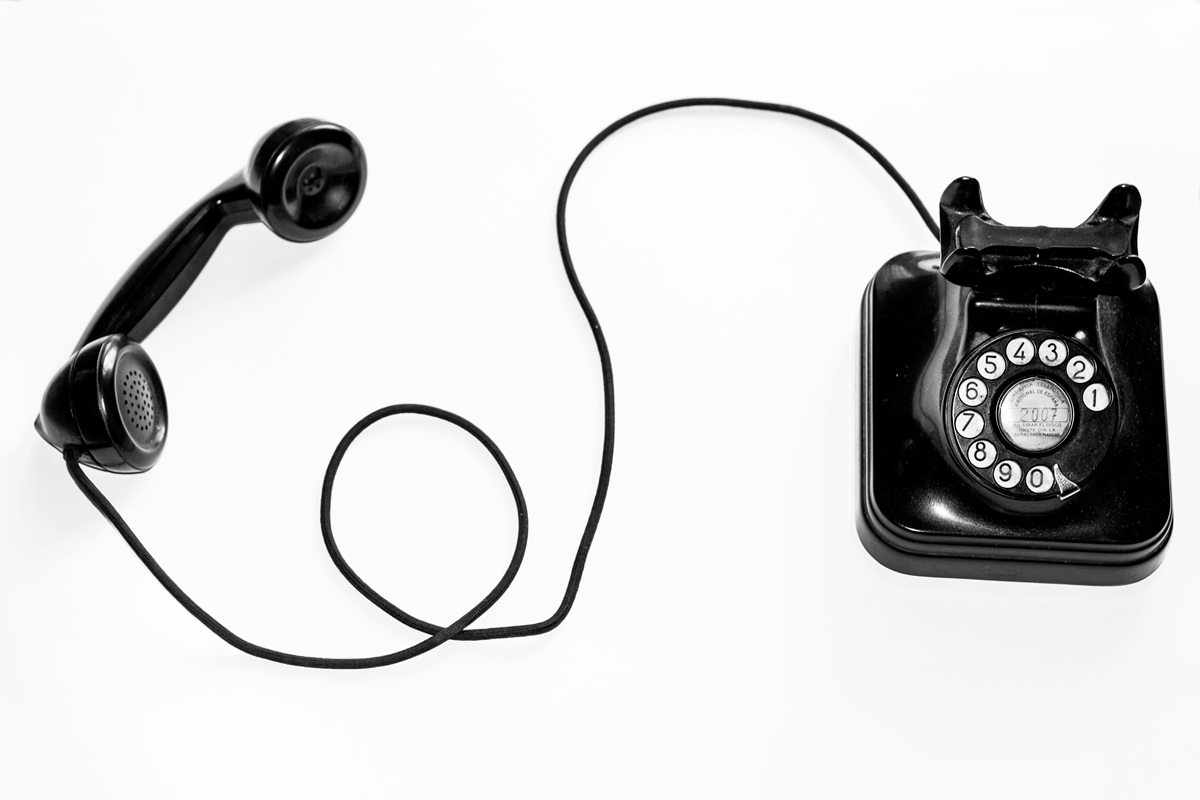
On Tuesday, September 22, a New Jersey court ruled that control over a national gambling addiction helpline, 1-800-GAMBLER, must go back to its original operator, the Council on Compulsive Gambling of New Jersey (CCGNJ), Barron’s reported.
The National Council on Problem Gambling (NCPG) has managed the line since June 2022, under a three-year licensing agreement that saw it paying the CCGNJ $150,000 annually for rights to use the phone number nationally. The contract between the two groups ended on May 31.
The ruling puts an end to months of uncertainty over who would operate one of the U.S.’s most well-known gambling addiction hotlines, which has seen demand increase significantly since the NCPG took over for the CCGNJ more than three years ago.
The numbers speak for themselves: In June of this year, around 19,000 people contacted the helpline, a fourfold increase over mid-2022. It’s within this context that the dispute over control of 1-800-GAMBLER unfolded.
What Led to Court Battle
The CCGNJ operated the helpline continuously from its inception in 1983 until 2022, when it licensed the national use of the number to NCPG under a three-year agreement.
After the deal expired in May, the two sides clashed over whether NCPG could continue managing the line. A judge issued a temporary restraining order in July to maintain the service’s operation until the September 22 ruling.
Leading up to Monday’s ruling, the American Gaming Association (AGA) and the Responsible Online Gaming Association (ROGA) called on the two groups to settle the dispute to avoid disruptions that could harm those seeking help.
At the hearing, NCPG attorney James Tarnofsky argued that shifting the helpline back to New Jersey would not be simple. “The entire network is under the National Council’s domain—the texting, the chatting, in 49 states and territories,” he told the court. “It’s not really ‘Just flip a switch and it goes to CCGNJ.’ The network will fall apart for a period of time. People will be without the services.”
However, an attorney for the NCPG, Lionel Frank, disagreed: “This is not rocket science,” he said. He went on to add: “This is just electronic connections to 800 numbers in local states.”
Why Continuity Matters
The dispute between the CCGNJ and NCPG is taking place against the backdrop of heightened concern over gambling-related harm in the U.S.
The NCPG’s “National Survey on Gambling Attitudes and Gambling Experiences” survey estimates that nearly 20 million U.S. adults acknowledged engaging in at least one “problematic gaming behavior” repeatedly during the last 12 months, indicating a persistent risk, even though some indicators have decreased since the pandemic peaks.
When the survey was released, the NCPG pointed out that: “Growing awareness of helplines like 1-800-GAMBLER — a national resource that connects individuals to localized treatment — is an encouraging sign that education and outreach efforts are making an impact.”
According to research from the University of San Diego, after the legalization of sports betting in many states, especially online, “help-seeking” searches for gambling addiction went up significantly, something that highlights the increased demand for these services.
What Happens Next
The NCPG states that it will appeal the decision and request a stay of the scheduled September 29 handover date from the court. In the interim, both groups say they’ll work to avoid service interruptions.
However, that may not be as easy as it sounds, since integrating and unwinding text, chat, call routing, and vendor arrangements could slow the transition.