


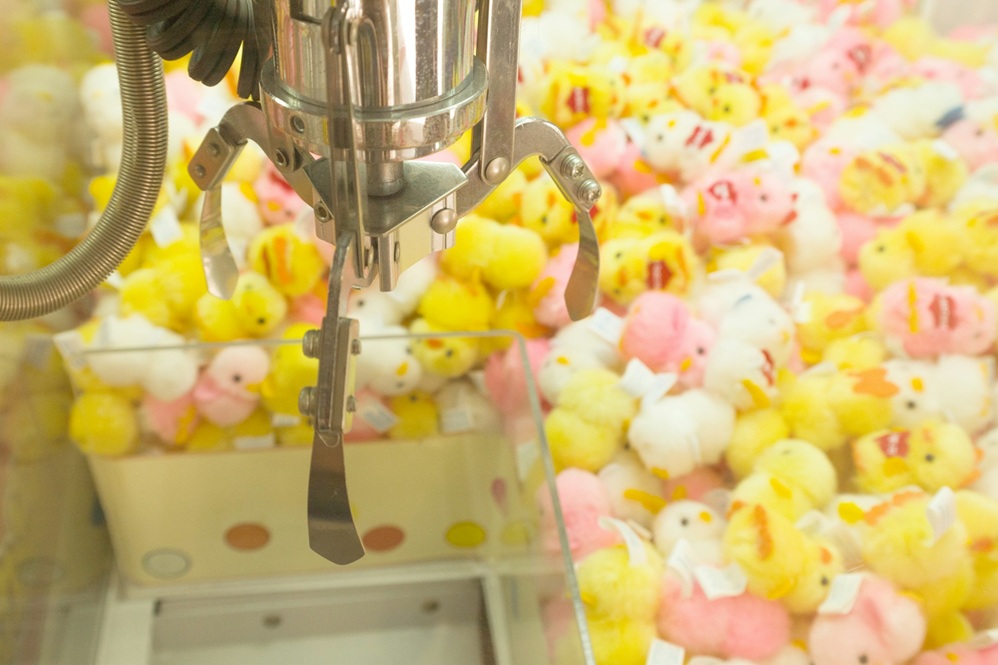
Authorities in South Korea are considering a crackdown on claw machines, with some worried that the machines use “gambling-like” methods to attract younger players.
The South Korean media outlet Gangwon Domin Ilbo reported that controversy over gambling-related practices and “probability manipulation” is “spreading” in Gangwon Province.
Claw machines are subject to very few regulations in South Korea, allowing anyone, regardless of age, to play them.
However, powerful critics argue that the popularity of these machines is growing rapidly, with children across the country spending ever-increasing amounts of money in claw machine centers.
These critics say that the machines use systems that mimic gambling at a time when South Korean youth gambling rates are spiraling upward.
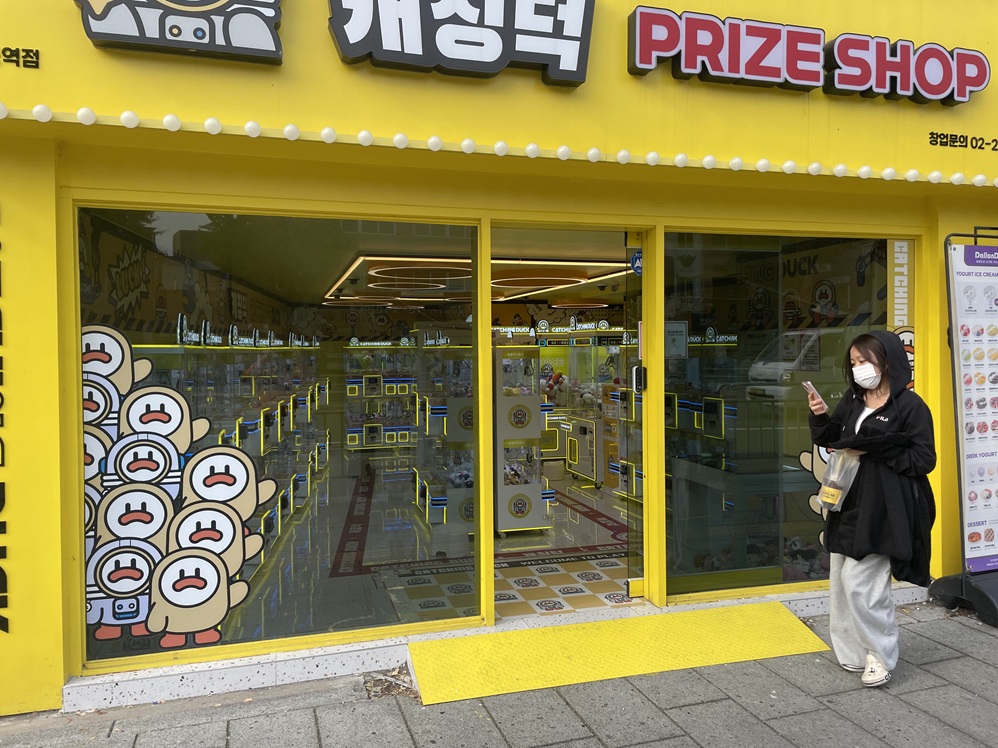
Claw Machines: Gambling Element Controversy Continues
The media outlet quoted the Game Rating & Administration Committee (GRAC) as announcing that, as of the second quarter of this year, 244 arcade and claw machine centers were registered as “youth game providers” in Gangwon Province. This is a year-on-year increase of 37.
Officials in major Gangwon cities said they were taking action. A Chuncheon city official said the provincial government had “issued new guidance regarding claw machines.”
The spokesperson said Chuncheon had sent notices to businesses. These contained “warnings that probability manipulation and other gambling activities are illegal.”
A Wonju city official stated that “with the recent increase in claw machine shops in Gangwon, we are considering a comprehensive crackdown.”
Educational Authorities Issue Warning
In September, the South Korean news agency Yonhap reported that several educational authorities in various parts of the country had “recently sent out newsletters warning about the gambling-like nature of claw machines.”
The authorities noted that while claw machines may “appear to be a simple form of entertainment,” they actually make use of “elements that can encourage gambling.”
Under South Korean law, claw machine operators are limited to offering a specific range of prizes. These include toys, stationery, sporting goods, and other household goods. The value of prizes cannot exceed 10,000 won ($7).
Modifying or altering a device to adjust game difficulty is punishable with jail terms of up to two years. Courts can also issue fines of up to 20 million won ($13,971) to offenders.
Asia-Wide Crackdown Incoming?
The GRAC has previously addressed claw machine controversies by stating that, as playing claw machines involves an element of skill, the centers cannot be considered gambling venues. The culture ministry has echoed these views.
But the Korea Institute for Gambling Problem Prevention and Treatment warned: “Although they are not legally classified as gambling or speculative acts, claw machines themselves feature gambling elements. These include elements of chance, uncertainty about prizes, and addictive features.”
The institute added that the machines actually create “the illusion” of a skill factor. It also said they encourage “loss-chasing behavior,” driving players to retry after failed attempts to catch a prize.
Some academics concur. Professor Shin Hyeon-ju of Catholic Kwandong University, in Gangneung, Gangwon Province, said the machines could “lead to addiction.” She concluded: “I think we need separate regulations for children.”
Crackdowns on claw machines are intensifying in other parts of Asia as well. In September, a survey found that 94% of Thai children spend money on the machines despite an earlier move to designate them as “gambling equipment.”