

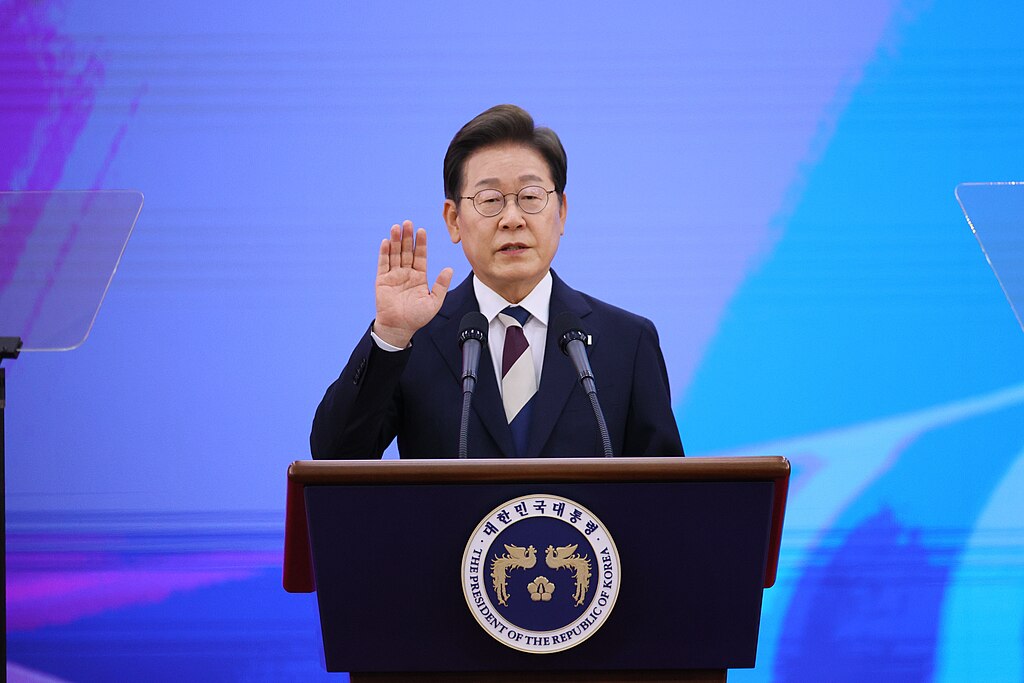
Gambling poses an existential and terminal threat to South Korean society, the country’s President Lee Jae-myung has warned.
The South Korean broadcaster KBS reported that Lee made the comments at a meeting held at the Ministry of Trade, Industry and Energy and the Ministry of SMEs and Startups in Seoul last week.
“I believe there are several terminal factors that could lead to the downfall of [South Korea],” he said. “I think these terminal factors include the menace of loan sharks and gambling.”
The President went a step further, adding that while many fear the dangers of “civil unrest or external invasion,” what “is happening internally” is equally dangerous. These dangers primarily center around people “taking advantage of poverty to further extort more money, or gambling […].”
Lee was speaking weeks after regulators claimed that South Korean loan sharks have begun targeting teenagers with offers of high-interest microloans to help them “gamble online and buy K-pop concert tickets.”
Gambling ‘Terminal’ for South Korea
More recently, regulators have also announced a surge in South Korean household debt and “non-bank lending.”
The nation was polarized in late November when a court heard that a group of loan sharks charged borrowers up to 36,500% interest. The loan sharks also threatened to release deepfake pornographic videos featuring AI-generated footage of their victims.
Lee also expressed skepticism when challenged on the topic of gambling regulation at regulated casinos.
Choi Cheol-gyu, the acting CEO of the casino operator Kangwon Land, asked Lee to consider easing regulations at casinos. Kangwon Land operates High1, the only South Korean casino permitted to admit domestic patrons.
Kangwon Land has insisted that gambling addiction rates are falling amid a rise in educational resources and treatment programs.
But Lee challenged the operator’s claims, calling upon Choi to produce “statistical evidence” to prove the harm caused by gambling addiction was indeed falling.
The President then appeared to walk back some of his comments, however, claiming there was apparently a “need for” gambling as a means of promoting sports.
He said his offices would “look into” the matter further. He challenged Choi to present more evidence about the profitability of regulatory changes and to present it to the Culture and Sports Ministry.
“If you think the [ministry’s] conclusions are unfair, please report this matter to the Offices of the President,” Lee said.
Ease Regulations to Help Boost Profits, Urge Operators
Casino operators want the government to lift restrictions on their opening hours. They also want to raise existing spending caps on individual bets and eliminate limits on the number of times individuals can visit a casino in a calendar year.
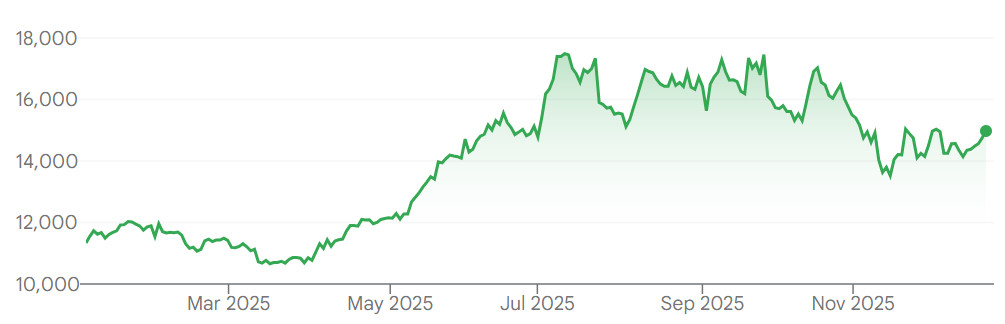
Share prices in Kangwon Land and other operators saw a slight dip in the wake of Lee’s comments, but rebounded shortly after.
Kangwon Land’s share prices on the Korea Exchange were up by almost 3.5% over the past five days at the end of trading on Friday.
Rival operators, such as Grand Korea Leisure, saw their own share prices climb by over 4% during the same period.
Share prices in all South Korean casino operators have soared on the Korea Exchange for much of 2025. They have been buoyed by a rise in VIP spending, an increase in visitor numbers, and a surge in general tourism.
Earlier this month, the South Korean sports betting regulator announced that it had paid rewards of approximately $407,000 to illegal sportsbook whistleblowers in 2025.